Universe Today
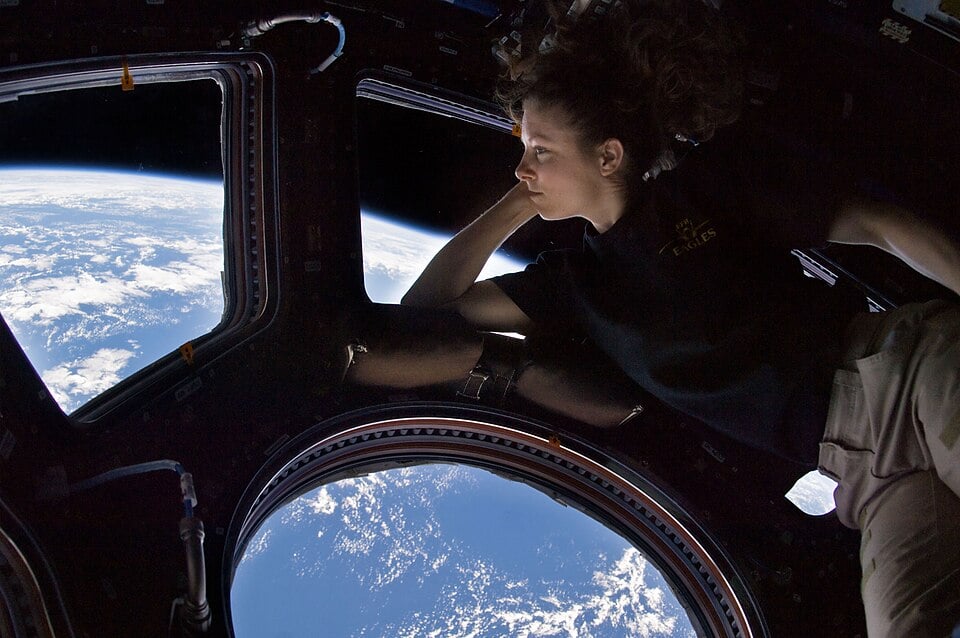
Could a trip to Mars leave an astronaut's liver looking decades older than it should? Researchers at the University of Central Florida believe they may have found exactly that, and the implications reach far beyond the astronauts themselves.
Led by Professor Michal Masternak, the team set out to understand what prolonged exposure to microgravity and cosmic radiation actually does to the body at a molecular level. Rather than waiting years for natural ageing to unfold, they built a simulated deep space environment in the laboratory, exposing animal models to fourteen days of simulated microgravity alongside doses of galactic cosmic radiation and solar particle events designed to mirror what astronauts would encounter on a journey to Mars.
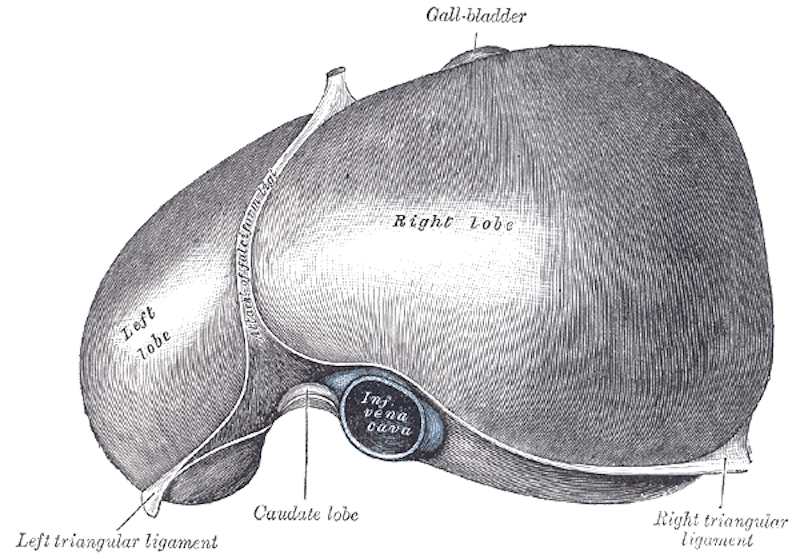 A classic anatomical illustration of the human liver, the organ at the centre of the UCF team's findings. Its central role in metabolism makes it especially sensitive to physiological stress, which is exactly why researchers chose it as their focus (Credit : Henry Vandyke Carter)
Within just twenty four hours of radiation exposure, the liver showed a wave of genetic changes strikingly similar to those seen during the natural ageing process. The organ displayed increased cellular senescence, a state in which cells lose their normal function, alongside rising inflammation and fibrosis, changes that, left unchecked, can eventually push an organ toward failure. Masternak's team focused specifically on the liver because of its central role as one of the body's key metabolic organs, making it a particularly sensitive early indicator of wider physiological stress.
What makes the findings especially compelling is that they didn’t stop at the laboratory model. The researchers compared their results against real human data, drawn from blood samples collected during NASA's famous Twins Study and from the civilian Inspiration4 mission. The genetic signatures lined up. That overlap between simulated exposure and actual astronaut biology gives the team confidence that they have identified genuine, meaningful biological targets rather than a laboratory curiosity.
The team pushed the research a step further still, identifying a class of molecules called antagomirs, capable of interacting with the body's microRNA to influence several of the genetic pathways involved in both ageing and inflammation. It is early stage work, but it points toward a possible future where astronauts on long duration missions could be given targeted protection against this accelerated cellular damage.
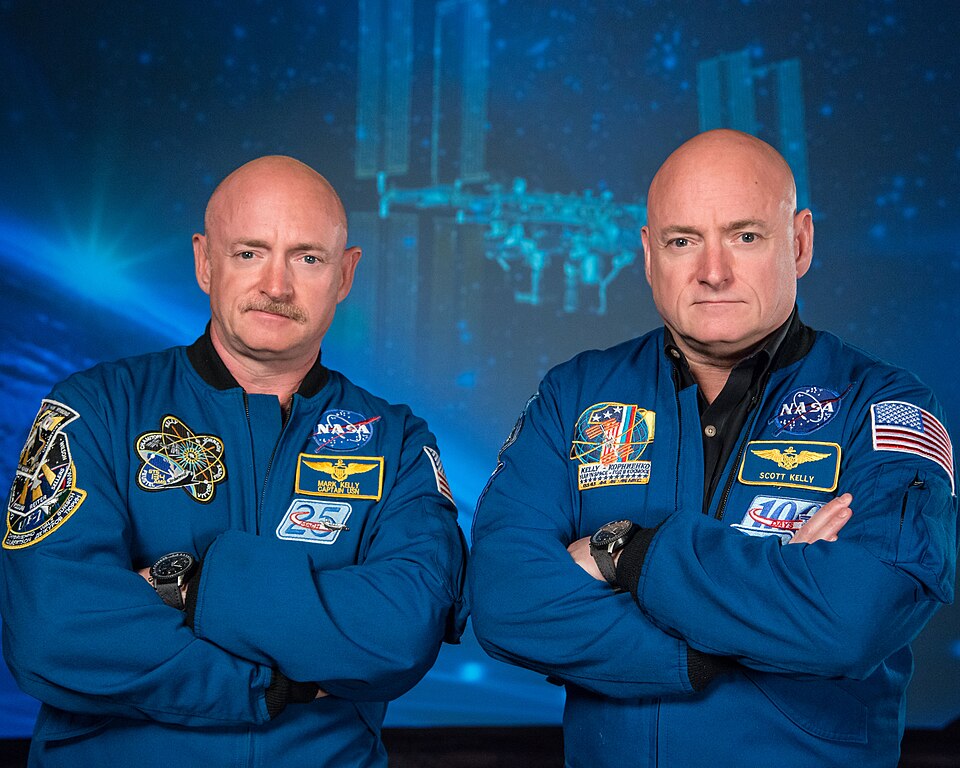 Identical twins Scott and Mark Kelly gave NASA a unique way to study spaceflight's effects on the body, real data the UCF team used to test their own findings against (Credit : NASA)
There is a broader payoff here too, one that reaches well beyond spaceflight. Studying ageing on Earth is notoriously slow, often requiring decades of observation in human subjects. Space, with its harsh combination of radiation and weightlessness, appears to compress that timeline dramatically, offering researchers a rare opportunity to watch the ageing process unfold in a matter of days and weeks rather than a human lifetime. Insights gained this way could eventually feed back into therapies here on the ground, aimed at preserving organ function and slowing age related disease in everyone, not just those who leave the atmosphere.
Masternak is careful to frame ageing as something far more complex than surface level change. It is, in his words, “the gradual and cascading failure of multiple organs and systems happening together,“ and understanding where that cascade begins may be one of the most important open questions in medicine today.
As missions to the Moon and Mars edge closer to reality, this research is a reminder that protecting astronauts and understanding human ageing may turn out to be two sides of exactly the same problem, one that space may help us solve faster than we ever could down here alone.
Source : New UCF Study Links Microgravity, Space Radiation to Accelerated Aging