Astronomers might be running out of words when it comes to describing the brightness of objects in the Universe.
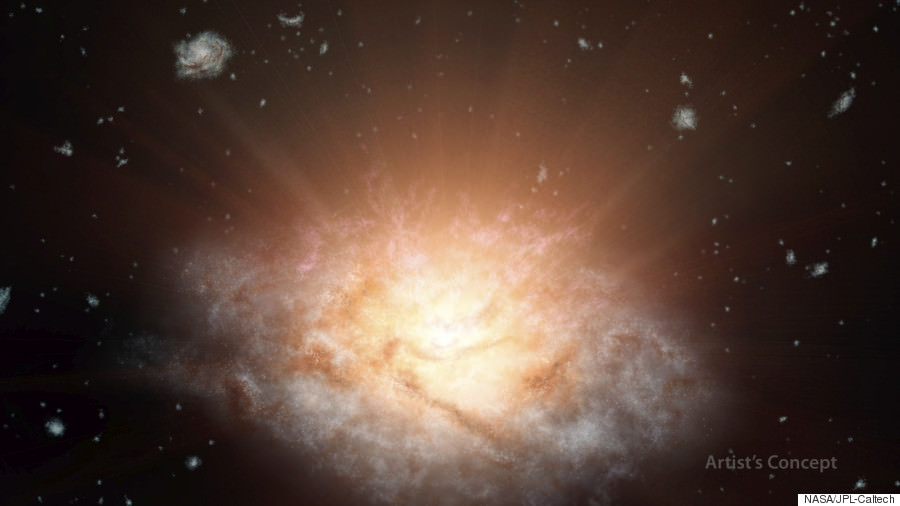
Luminous, Super-Luminous, Ultra-Luminous, Hyper-Luminous. Those words have been used to describe the brightest objects we’ve found in the cosmos. But now astronomers at the University of Massachusetts Amherst have found galaxies so bright that new adjectives are needed. Kevin Harrington, student and lead author of the study describing these galaxies, says, “We’ve taken to calling them ‘outrageously luminous’ among ourselves, because there is no scientific term to apply.”
The terms “ultra-luminous” and “hyper-luminous” have specific meanings in astronomy. An infrared galaxy is called “ultra-luminous” when it has a rating of about 1 trillion solar luminosities. At 10 trillion solar luminosities, the term “hyper-luminous” is used. For objects greater than that, at around 100 trillion solar luminosities, “we don’t even have a name,” says Harrington.
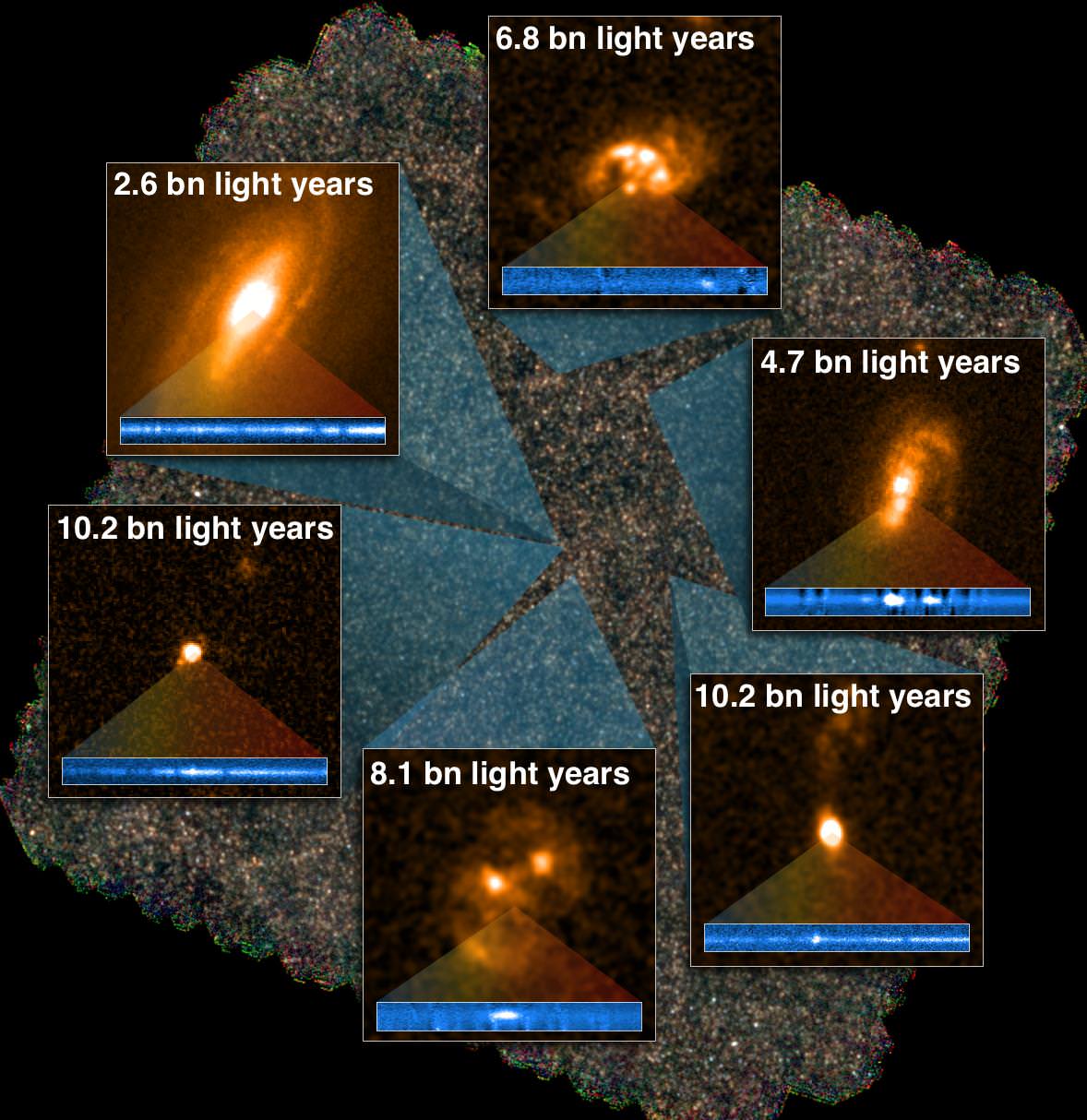
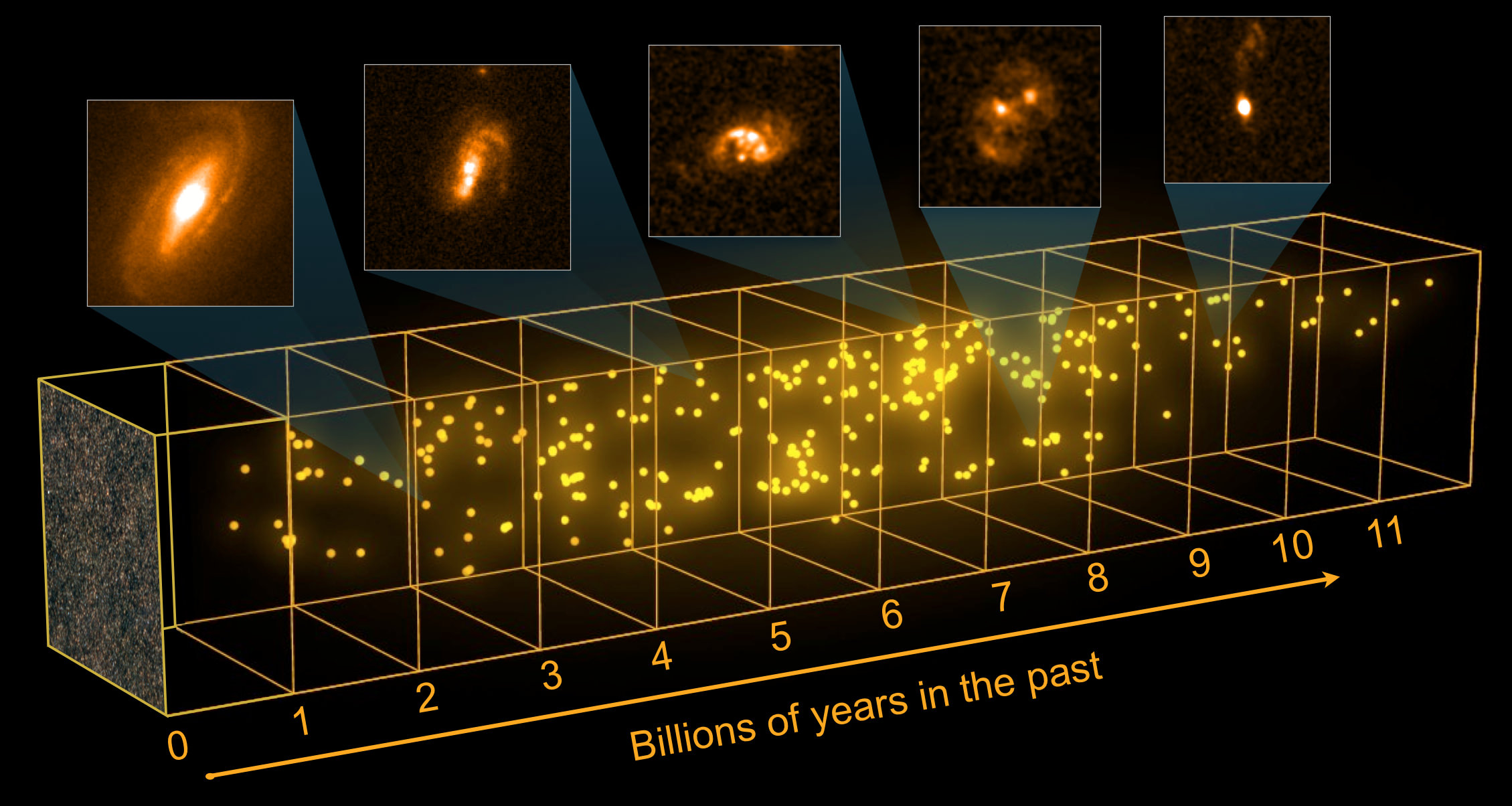
The size and brightness of these 8 galaxies is astonishing, and their existence comes as a surprise. Professor Min Yun, who leads the team, says, “The galaxies we found were not predicted by theory to exist; they’re too big and too bright, so no one really looked for them before.” These newly discovered galaxies are thought to be about 10 billion years old, meaning they were formed about 4 billion years after the Big Bang. Their discovery will help astronomers understand the early Universe better.
“Knowing that they really do exist and how much they have grown in the first 4 billion years since the Big Bang helps us estimate how much material was there for them to work with. Their existence teaches us about the process of collecting matter and of galaxy formation. They suggest that this process is more complex than many people thought,” said Yun.
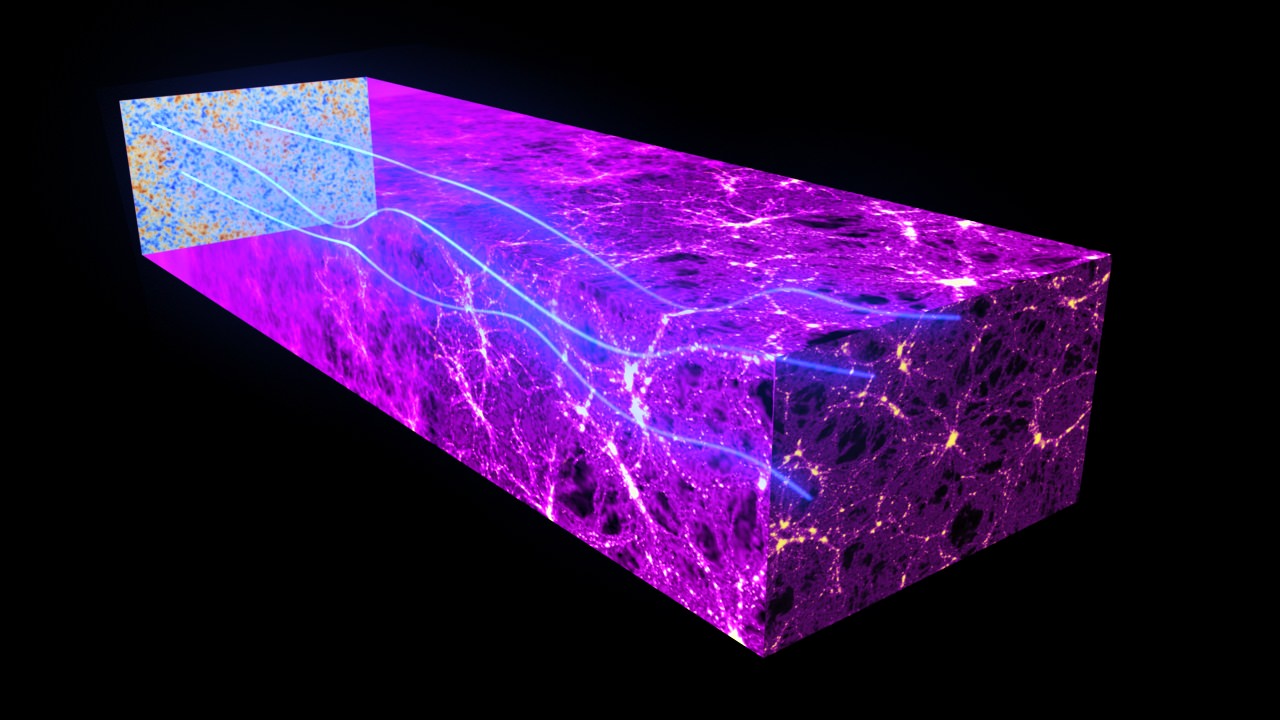
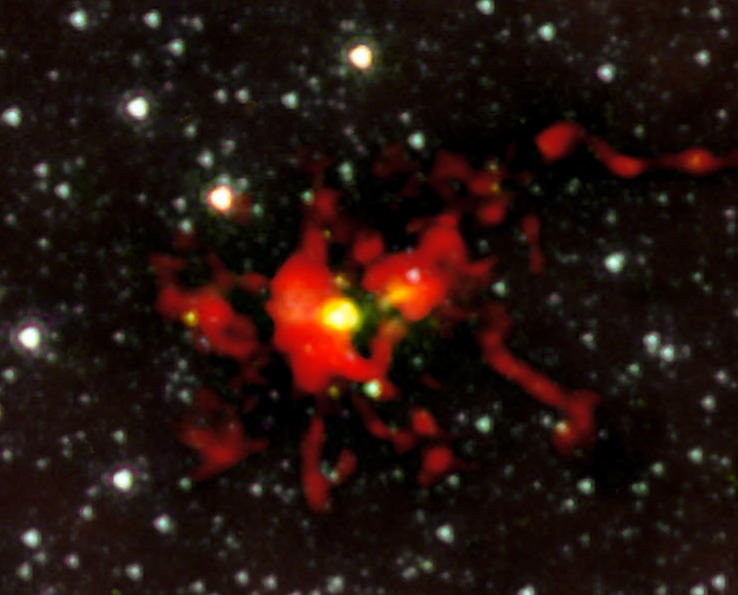
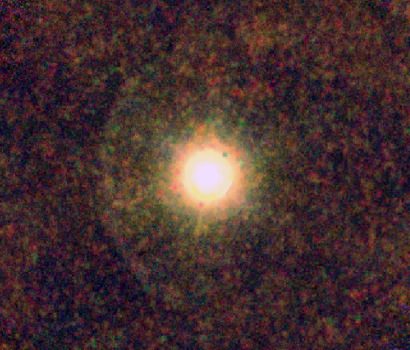
Gravitational lensing plays a role in all this though. The galaxies are not as large as they appear from Earth. As their light passes by massive objects on its way to Earth, their light is magnified. This makes them look 10 times brighter than they really are. But event taking gravitational lensing into account, these are still impressive objects.
But it’s not just the brightness of these objects that are significant. Gravitational lensing of a galaxy by another galaxy is rare. Finding 8 of them is unheard of, and could be “another potentially important discovery,” says Yun. The paper highlights these galaxies as being among the most interesting objects for further study “because the magnifying property of lensing allows us to probe physical details of the intense star formation activities at sub-kpc scale…”
The team’s analysis also shows that the extreme brightness of these galaxies is caused solely by star formation.“The Milky Way produces a few solar masses of stars per year, and these objects look like they forming one star every hour,” Yun says. Harrington adds, “We still don’t know how many tens to hundreds of solar masses of gas can be converted into stars so efficiently in these objects, and studying these objects might help us to find out.”
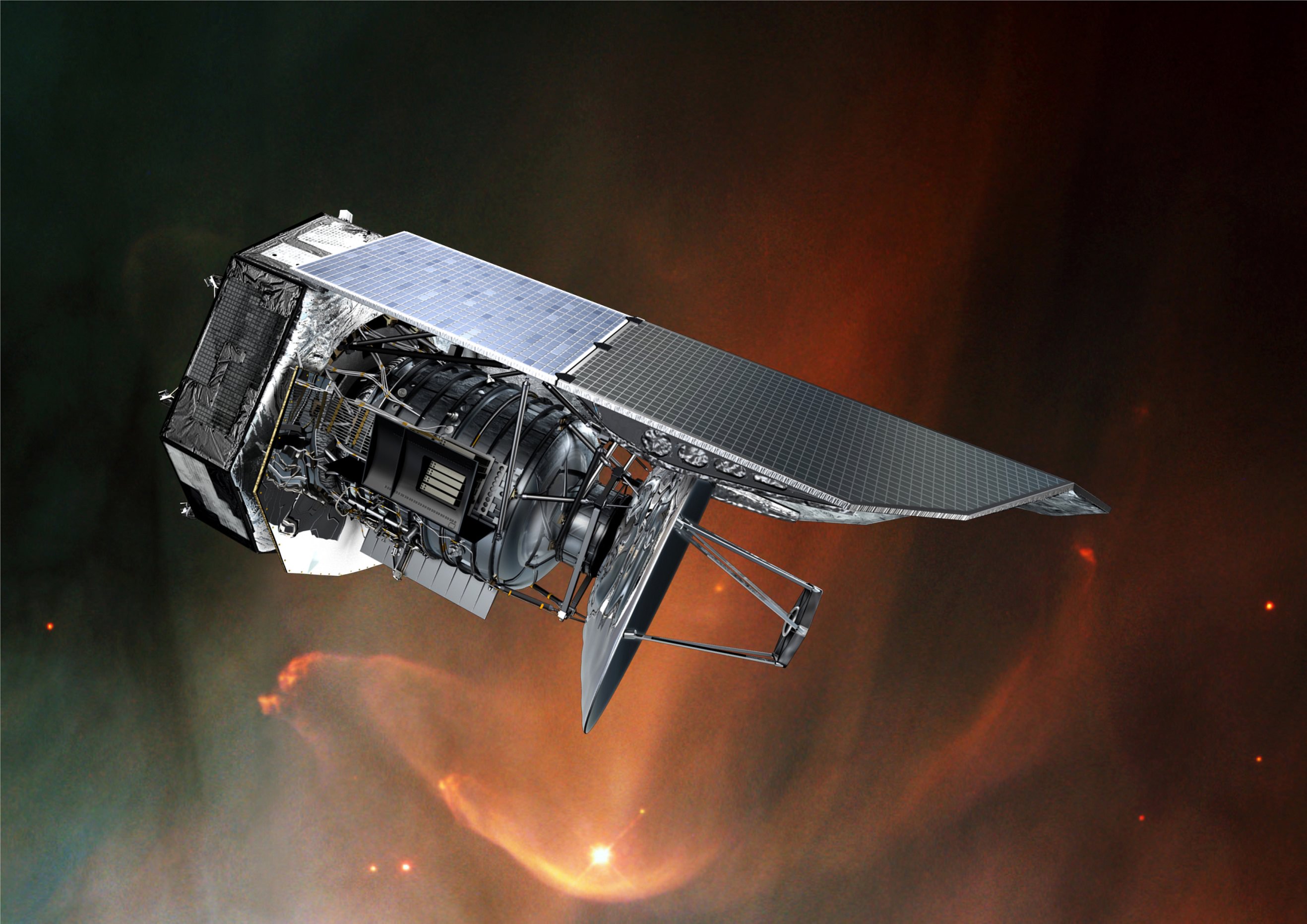
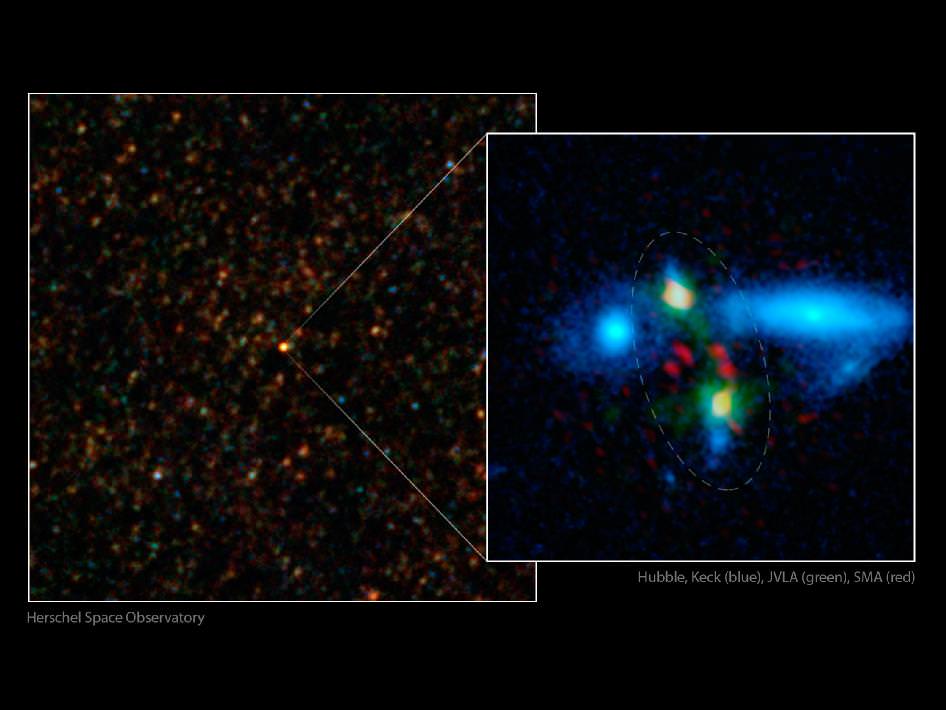
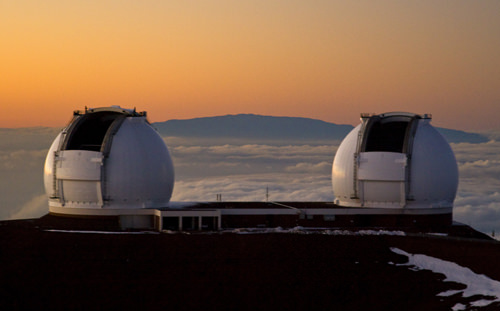
It took a tag team of telescopes to discover and confirm these outrageously luminous galaxies. The team of astronomers, led by Professor Min Yun, used the 50 meter diameter Large Millimeter Telescope for this work. It sits atop an extinct volcano in Mexico, the 15,000 foot Sierra Negra. They also relied on the Herschel Observatory, and the Planck Surveyor.