Universe Today
For many of us, gardening has been a therapeutic distraction during this time of pandemic quarantine. But some researchers from the Jet Propulsion Lab have been gardening at home with a specific goal in mind: growing food on the Moon.
"We're trying to show astronauts can use horticulture to grow their own food on the Moon," said NASA scientist Max Coleman. "We want to do one tiny step in that direction, to show that lunar soil contains stuff which can be extracted from it as nutrients for plants."
Coleman and his coworkers have been stuck at home since mid-March 2020, but had been working for over a year on their research on a simulated lunar regolith. They are studying how quickly water is absorbed between lunar soil grains, how big the particles are, and what proportions of minerals are ideal for growing food in the regolith. Also, they are trying to determining what grows best in the regolith.
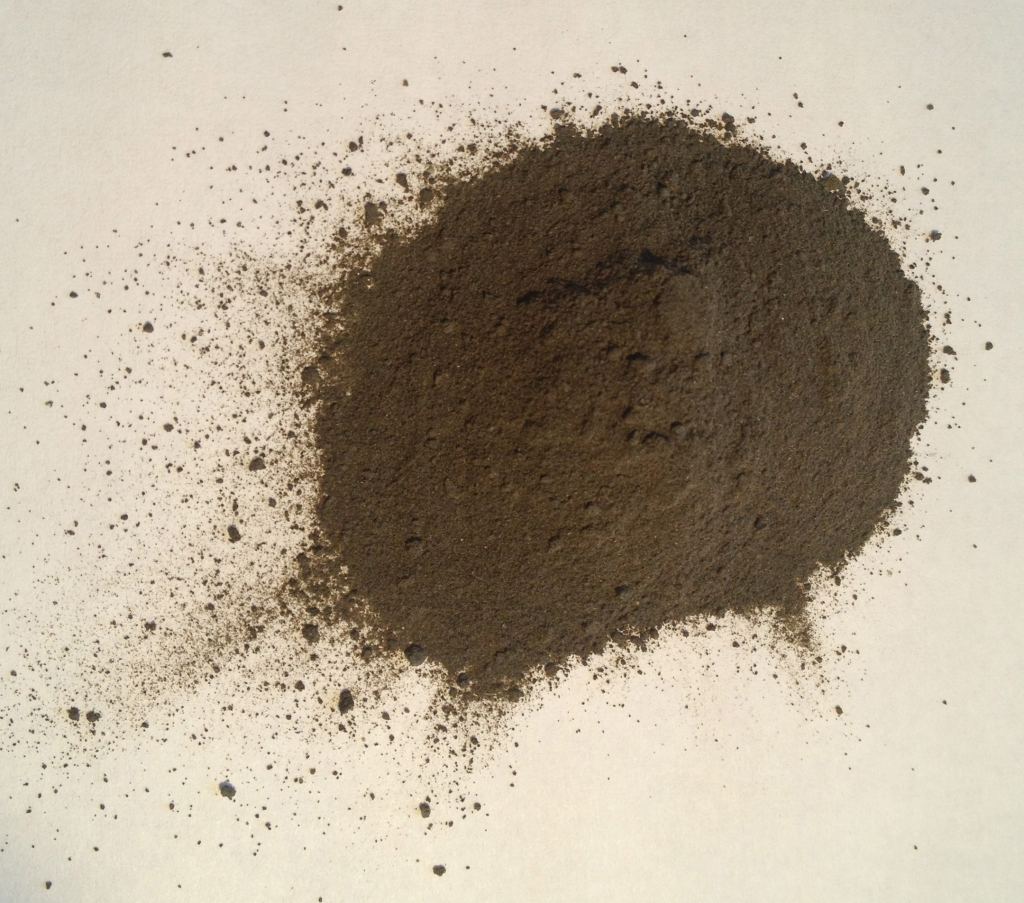
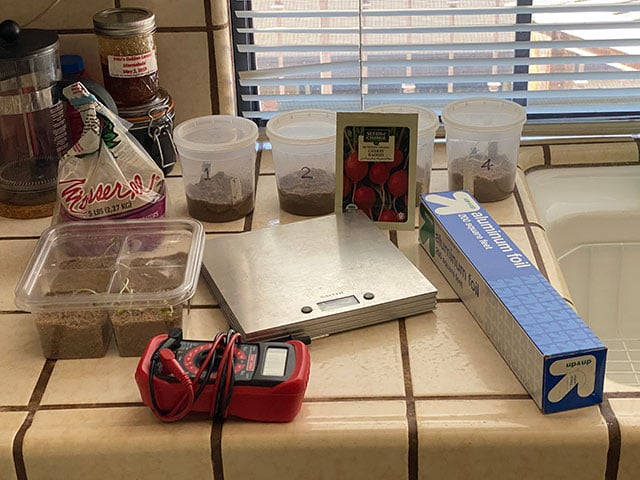
They were about to start doing hands-on tests of soil sensors that might eventually be used on the Moon when the stay-at-home orders were issued. While the team wasn't able to bring home any lunar simulant or the soil sensors, Coleman decided to innovate. He placed an order online for some desert sand, which doesn't have any organic matter, so is a good stand-in for the lunar regolith simulant.
Then, created his own sensors by folding aluminum foil four or five times to make a strip, and putting them on his battery tester to measure electrical resistance from the water added to the sand. He decided to use radish seeds, and ordered them online for home delivery, too.
"[Radishes] have been used before in space, and they germinate very, very fast," Coleman said in a press release. This makes them a good bet for relatively rapid experiment results. Also, radishes don't require a lot of water to germinate, so they provide a good test of what could grow quickly in one lunar day, (28 days, with 14 straight days of sunlight.)
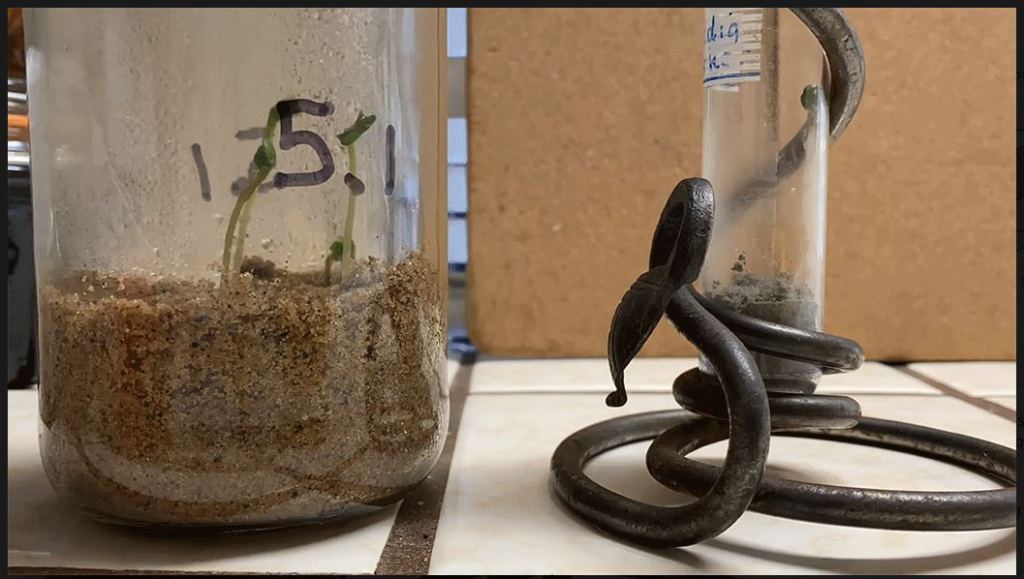
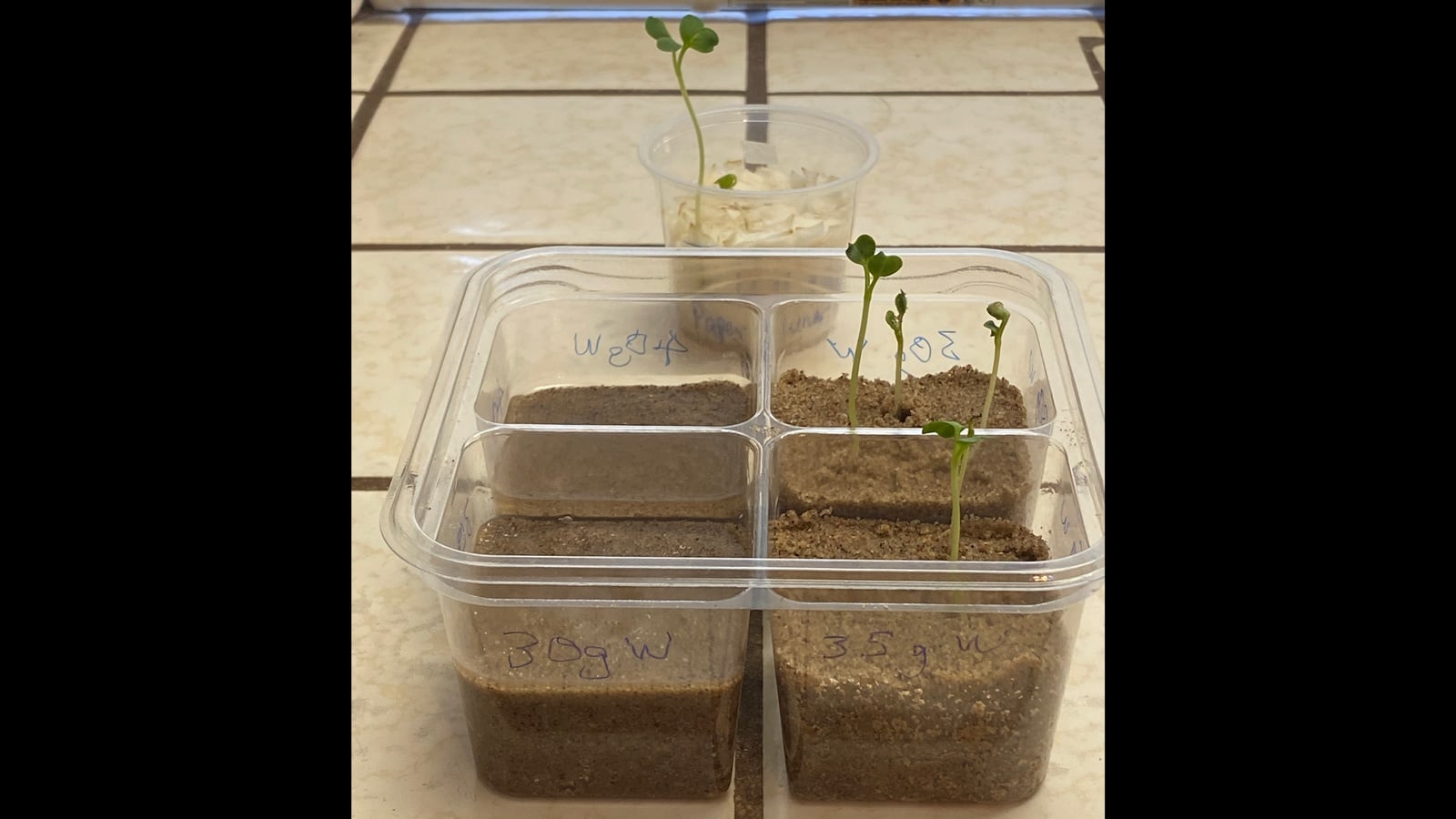
Since he wasn't able to work in his lab at JPL, Coleman used other items he had on hand. He put the sand in a deli container with four sections, using varying amounts of water in the four sections. The results were quite surprising: Radishes in the section with the least water germinated first and best, which was interesting because, Coleman said, "we want to see how little water we can get away with."
The team's research is helping them develop a small scientific payload on a commercial spacecraft going to the Moon, which, if selected, would be delivered to the lunar surface through the NASA Commercial Lunar Payload Services (CLPS) initiative. The team planned to develop the experiment as a suitable payload for a CLPS spacecraft in terms of size, mass, power requirement, and communication needs.
Their work is aimed at biological in-situ resource utilization - tackling such challenges as where to get food as opposed to how to get water and oxygen. Coleman explained that, for future astronauts, "the more you can use what's already there, the more efficient you can be because you don't have to carry that much with you."
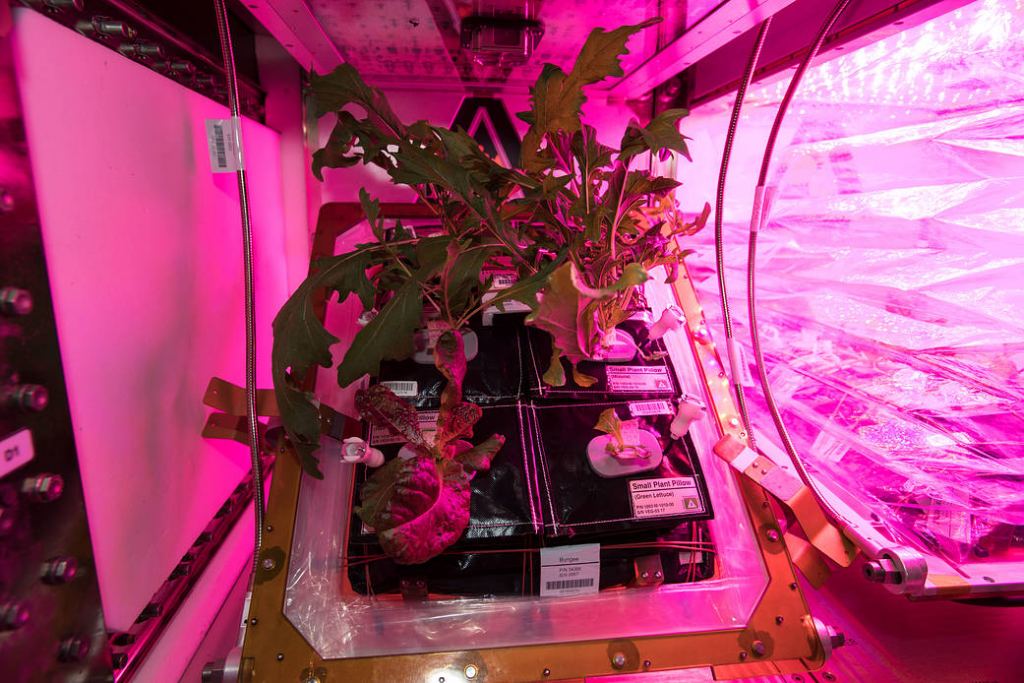
By going to the Moon, the radish experiment would complement the research currently going on at the International Space Station, such as the currently in-orbit Vegetable Production System, or Veggie, features plants growing in specially prepared soil, with the goal of eventually providing food for space station astronauts.
"We can't properly test here on Earth with perfect lunar soil, but we're doing as much here as we can. Then we want to show that it actually does work on the Moon," Coleman said.