 Universe Today
The First Confirmed Exo-satellite Challenges Our Definitions of Planets and Moons
What do you call a Jupiter-like object that orbits the brown dwarf companion of a star? Is it a planet, a moon, or something new?
Planets beyond our solar system
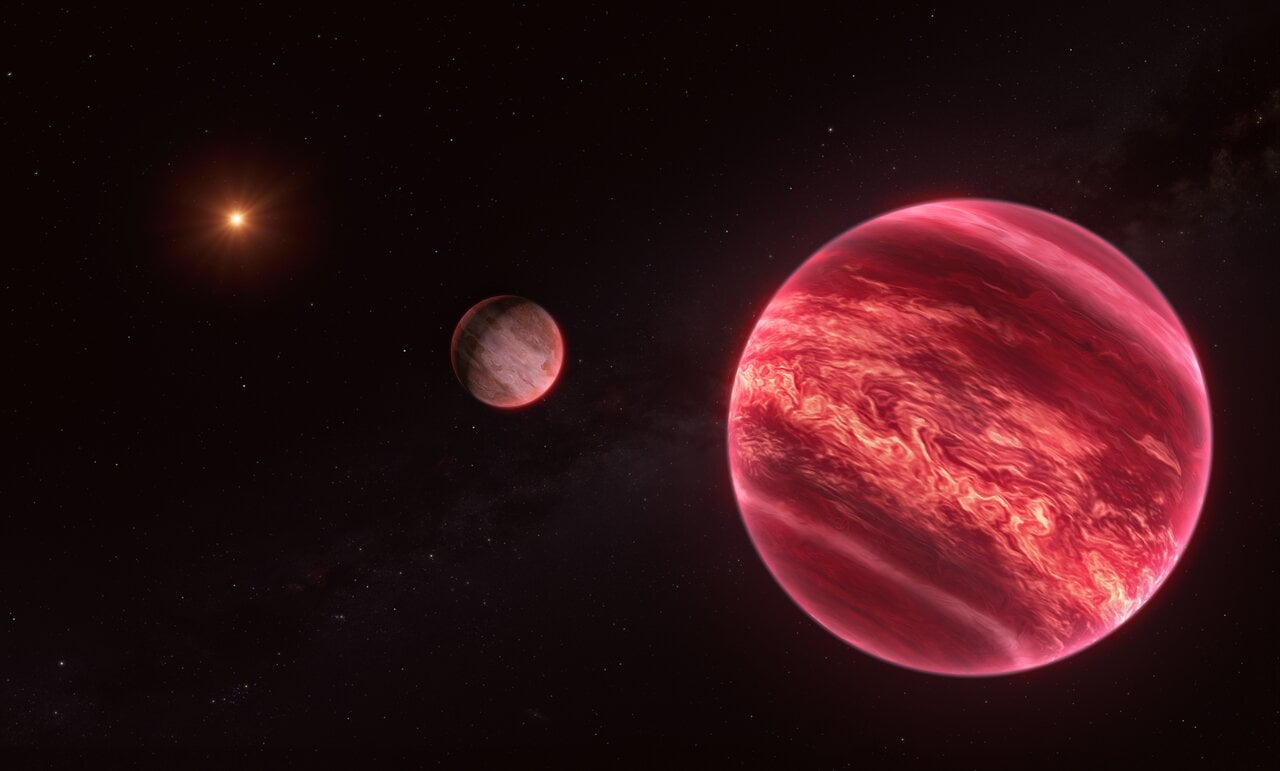
What do you call a Jupiter-like object that orbits the brown dwarf companion of a star? Is it a planet, a moon, or something new?
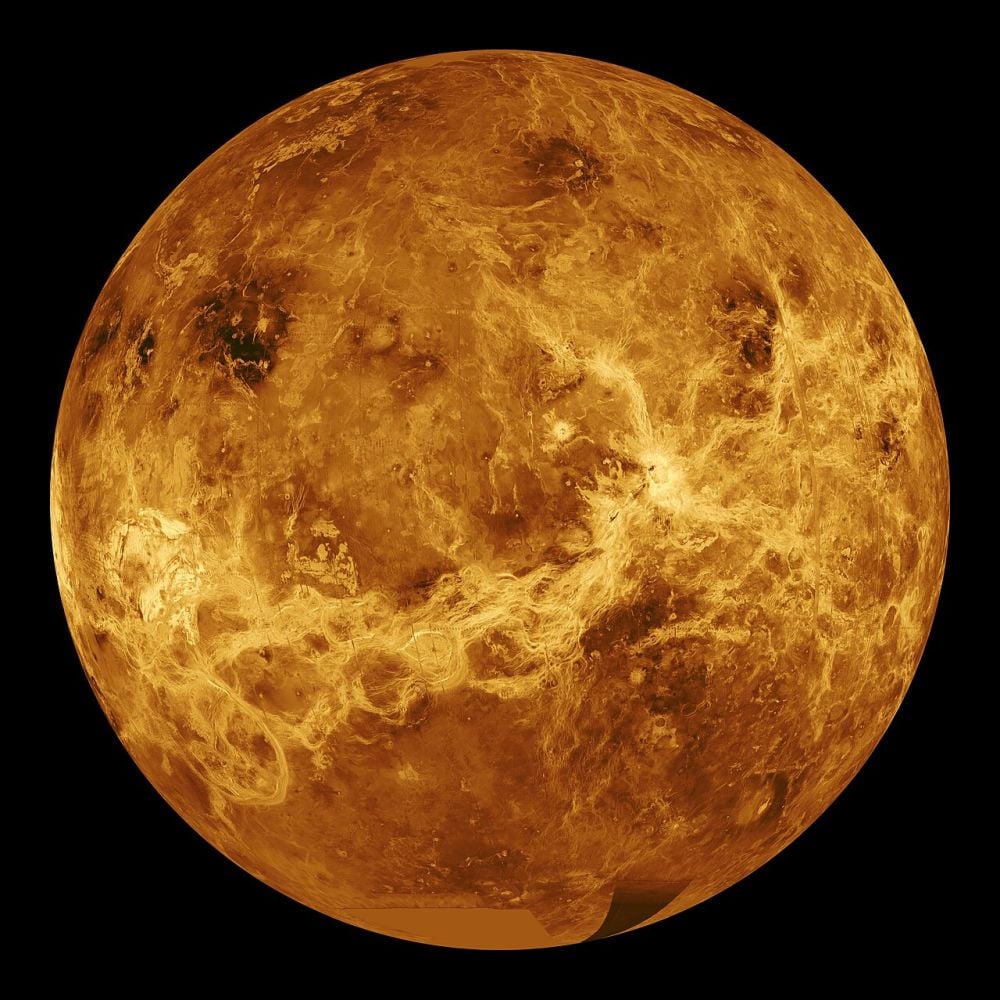
While simply finding exoplanets was an important first step in exoplanet science, more ambitious goals await. The ESA will launch PLATO in 2027 to search for rocky planets. But it will also find planets in the Venus Zone, a region bounded on its outer edge by a runaway greenhouse climate and on the inner edge by loss of atmosphere due to stellar flux. Understanding these planets will help scientists understand how Earth's path led to sustained habitability, while Venus, its sister planet, ended up with a runaway greenhouse climate.
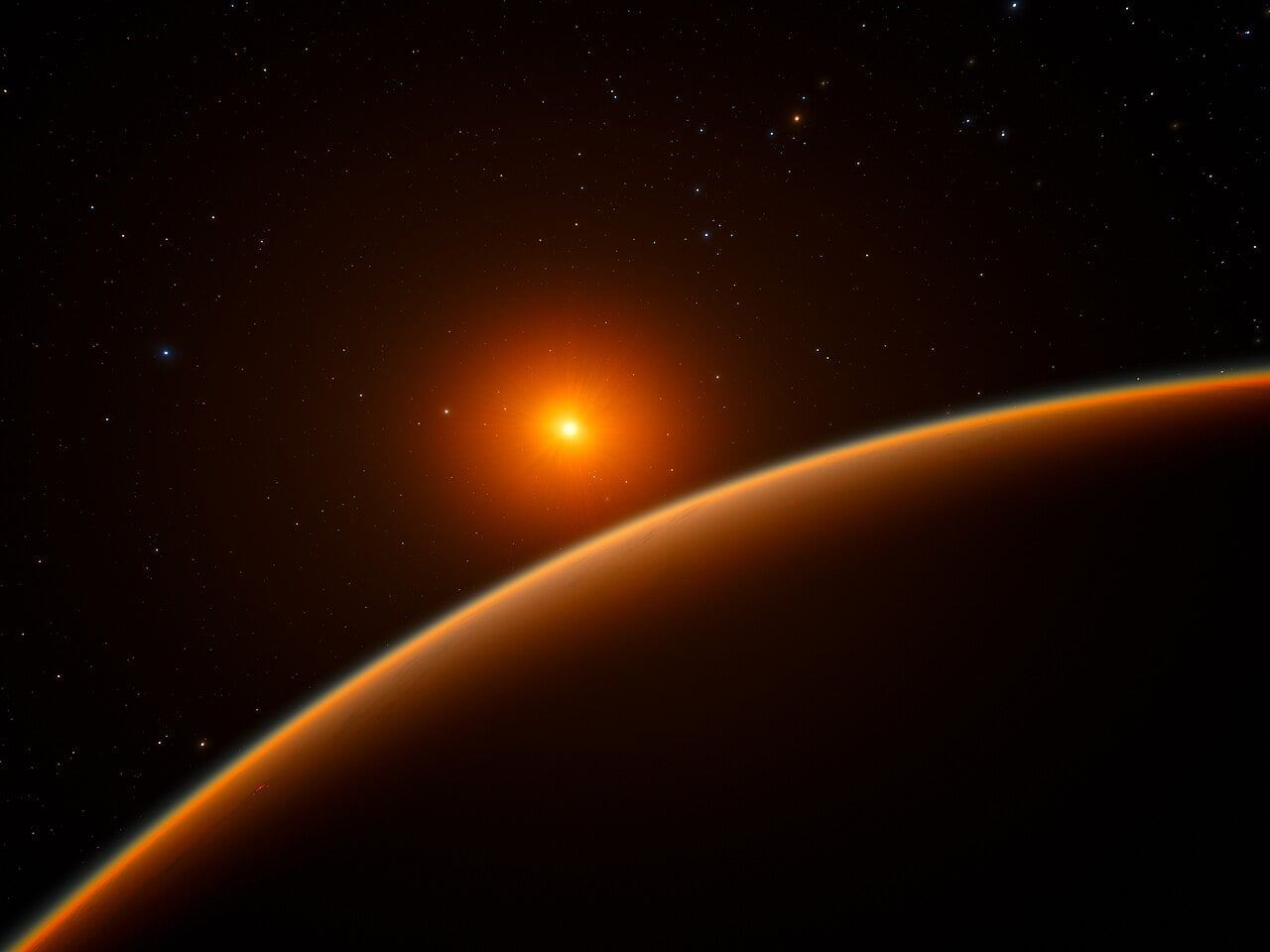
Astronomers have detected an atmosphere around a rocky planet in another star's habitable zone for the very first time. It’s a milestone that brings us a step closer to answering whether life could exist beyond our Solar System. Predicted by a mathematical model before it was ever observed, and confirmed using a rare planetary alignment 48 light years away, this discovery does more than identify one intriguing world, it provides us with a whole new way to search for others like it.
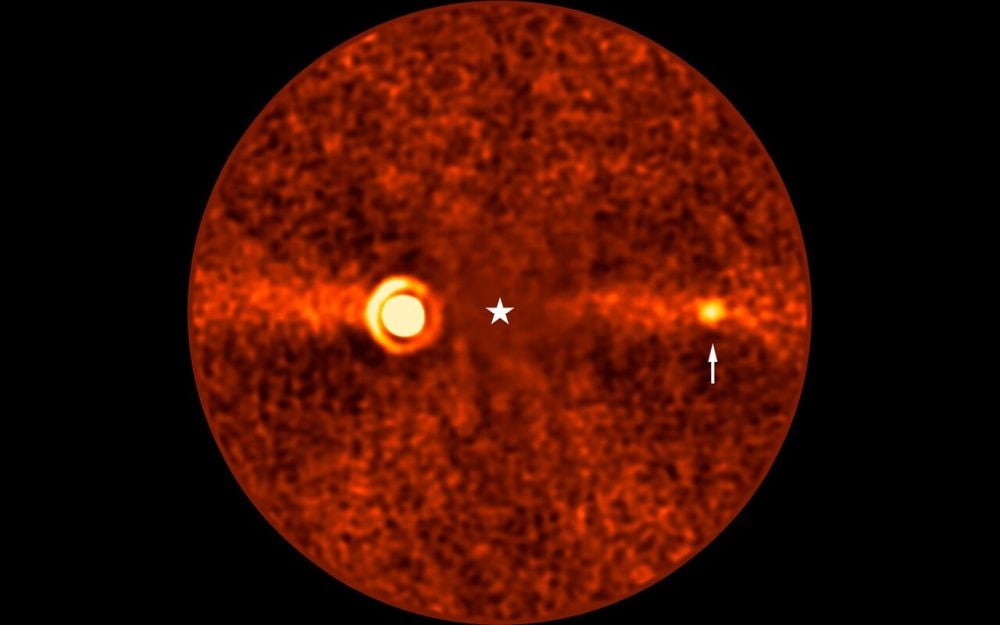
A team of astronomers have discovered a third planet orbiting the star Beta Pictoris. The new planet, Beta Pictoris d, is 100 times fainter than Beta Pictoris b — the first planet discovered in the same system — and is among the lightest exoplanets ever to be imaged from the ground. After spotting the planet using the European Southern Observatory’s Very Large Telescope (ESO’s VLT), the team found it had been hiding in archive observations spanning more than a decade.
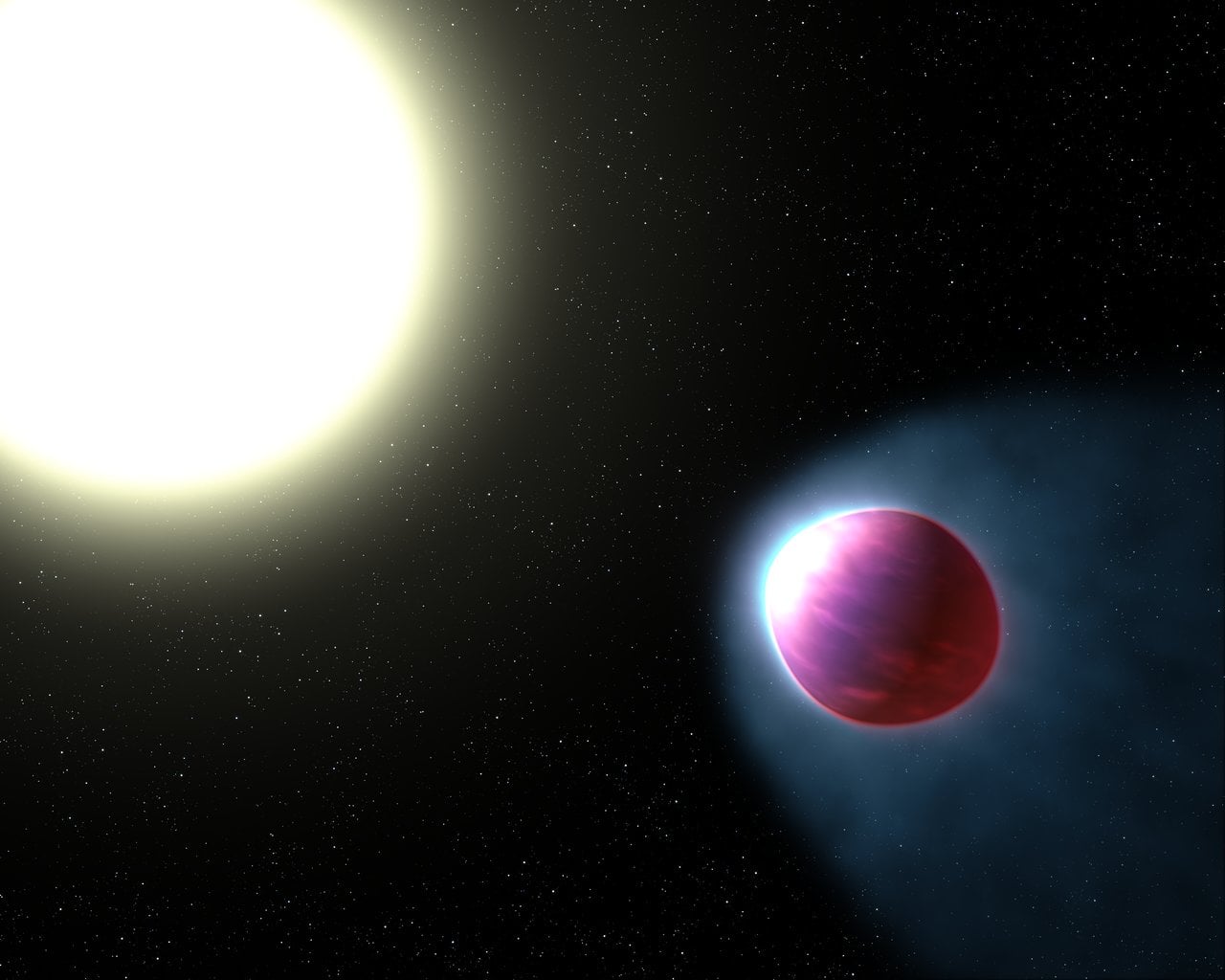
Astronomers using the James Webb Space Telescope have caught an extreme, tidally locked exoplanet in the act of showing two very different faces at once, a fierce, wind battered hemisphere and a comparatively gentler half. The discovery not only reveals a planet with a genuine weather system violent enough to tear water apart, it hints at a missing ingredient in how scientists model alien atmospheres altogether.
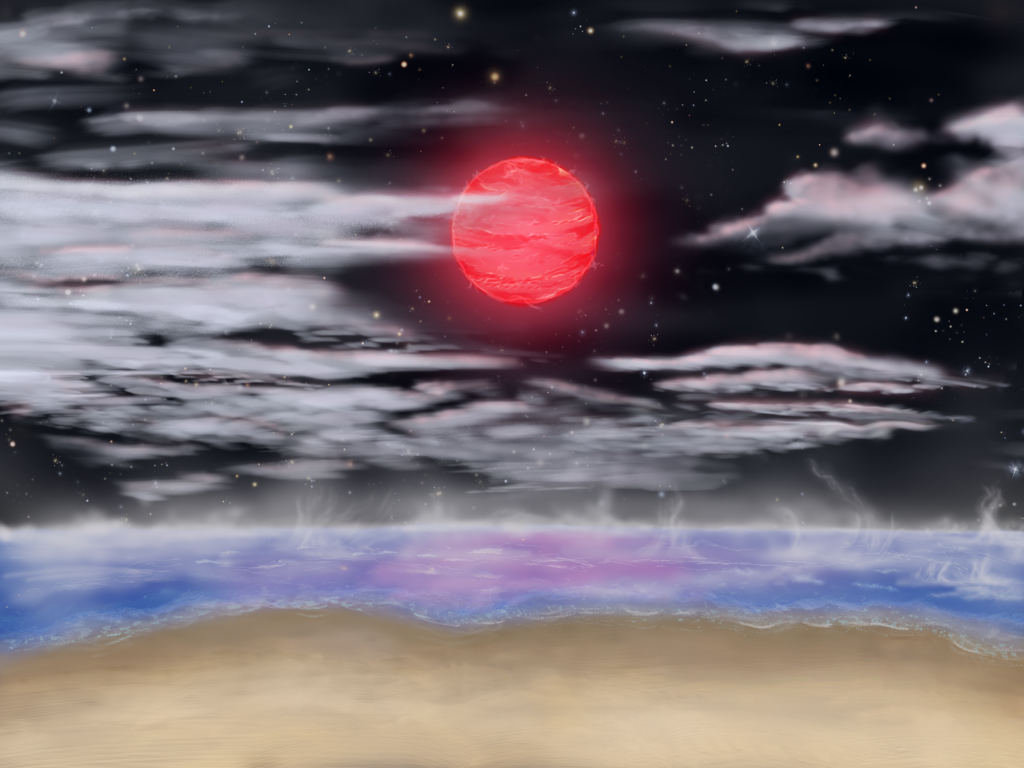
Using the Hobby-Eberly Telescope at McDonald Observatory, astronomers have taken a closer look at a nearby exoplanet and discovered it may be more Earth-like than previously thought.Using the Hobby-Eberly Telescope at McDonald Observatory, astronomers have taken a closer look at a nearby exoplanet and discovered it may be more Earth-like than previously thought.
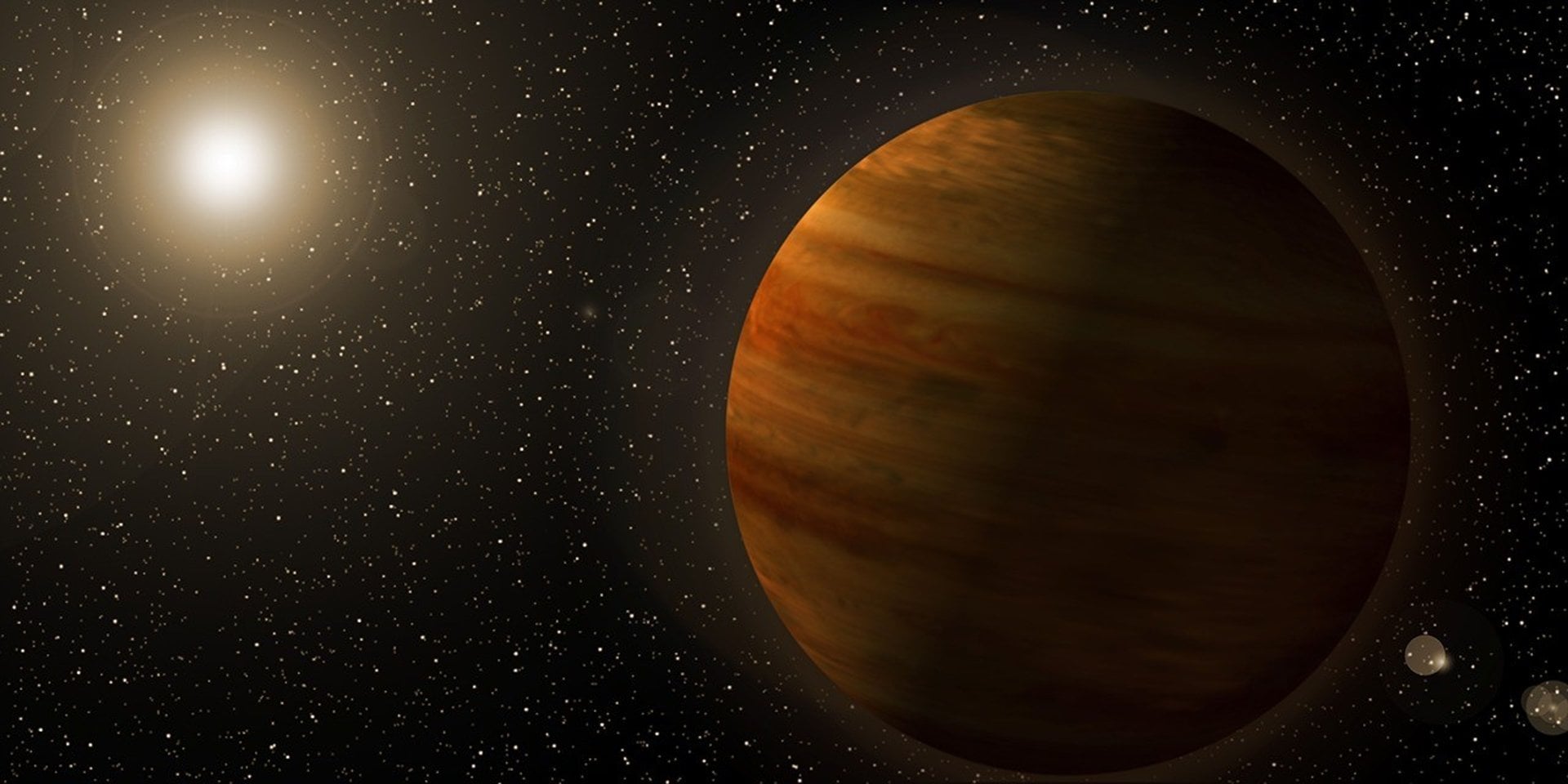
NASA’s Transiting Exoplanet Survey Satellite (TESS) has captured evidence of a Jupiter-like world orbiting another star, using a trick straight out of Einstein’s relativity: gravitational microlensing. The technique marks a first for TESS, and opens up the possibility of a whole new category of planets the spacecraft might uncover.
Exoplanet atmospheres have become prima targets for astrobiologists in the search for life beyond Earth. This is because exoplanet surfaces can’t be directly imaged yet, so astronomers must get creative with how to search for signs of life, also called biosignatures. Presently, powerful ground- and space-based telescopes like the Atacama Large Millimeter Array (ALMA) and NASA’s James Webb Space Telescope (JWST) are improving in their ability to observe and analyze exoplanet atmospheres. But did these atmospheres form and evolve, and what could this mean for the search for life beyond Earth?
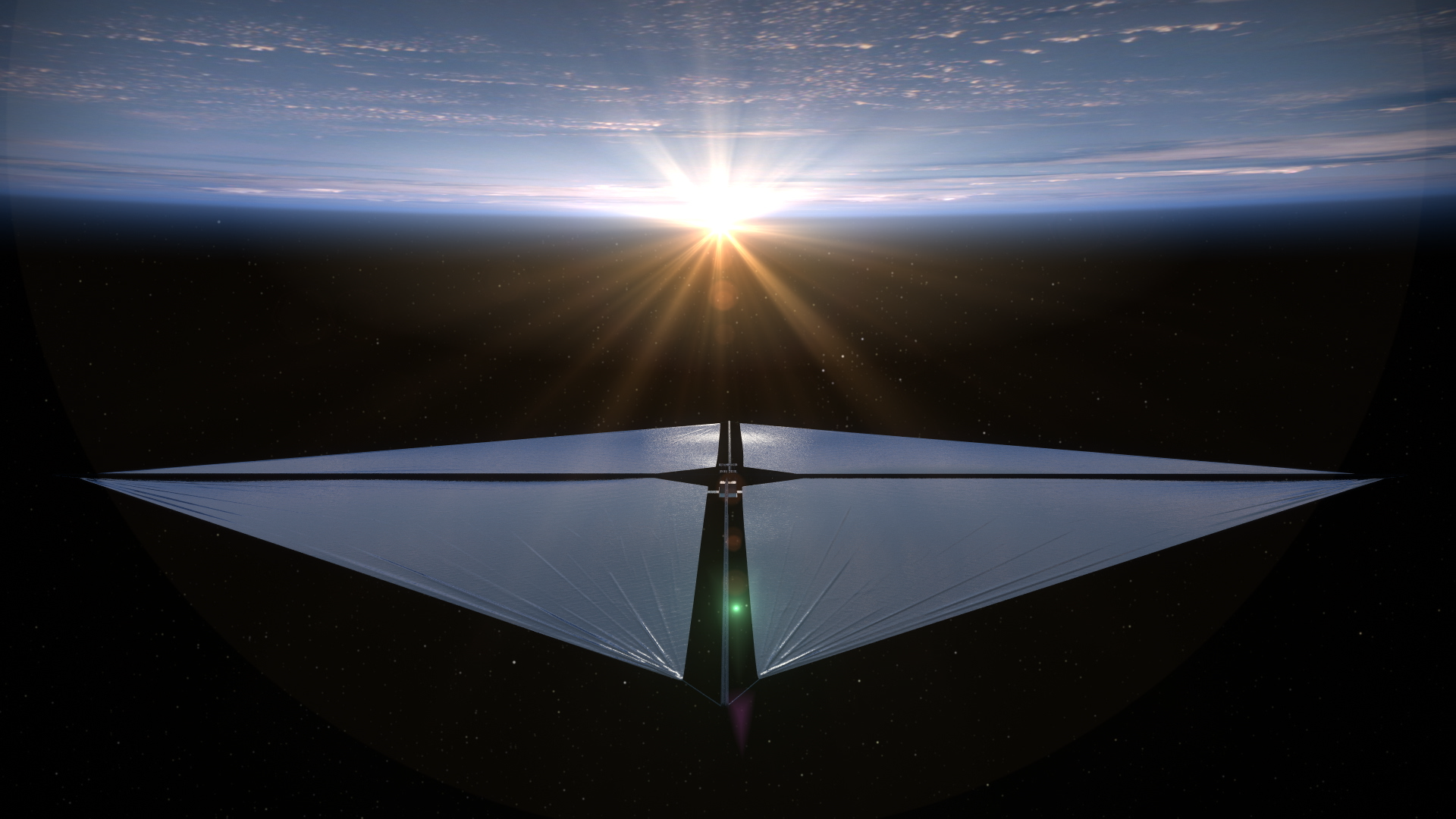
Giant mirrors in space have been a staple of science fiction for decades. But so far there’s been very little work looking at the actual physics behind the concept - possibly because we’re still so far from making them ourselves. Still, they could potentially serve as a passive technosignature, if we manage to find one. In order to do that, though, we have to understand what we’re looking for. That is the purpose of a new paper, available in pre-print on arXiv, by Shauna Sallmen of the University of Wisconsin - LaCrosse, and Eric Korpela of UC Berkeley.
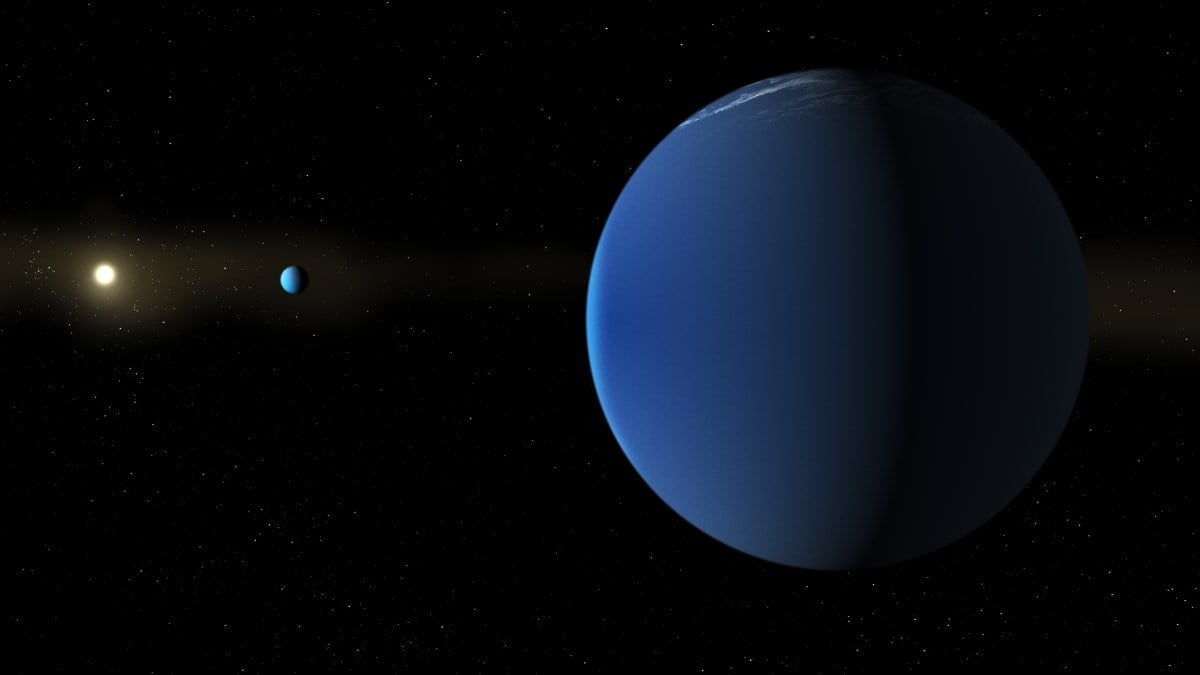
Astronomers have found two of the lightest worlds ever discovered, a pair of giant planets so wispy that, gram for gram, they are less dense than candy floss. Each is roughly the size of Jupiter yet holds almost nothing inside and the two circle the same distant star as siblings, locked in a gravitational dance that sees them tug one another off schedule as they orbit. It was observations from the depths of the Antarctic winter, that let astronomers weigh them and uncover just how astonishingly insubstantial they are. Now they want to know just how a planet ends up barely heavier than air at all.
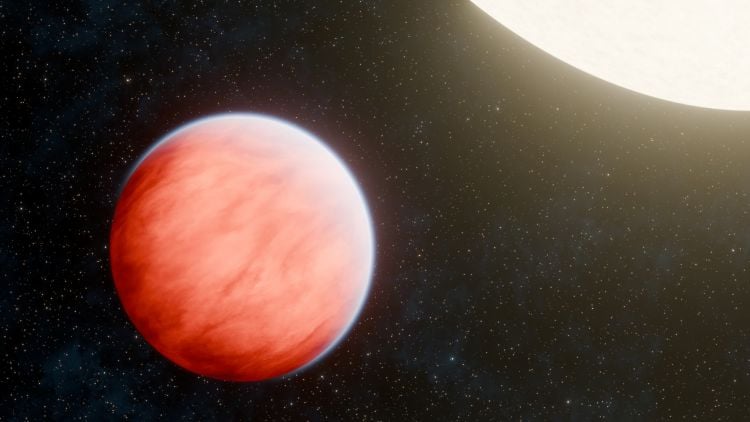
Hot Jupiter exoplanets have completely changed how we look at the universe. This is because before the first exoplanet orbiting a Sun-like star was discovered in 1995, 51 Pegasi b, astronomers theorized every solar system looks just like ours: rocky planets orbiting close to the Sun and gas giants orbiting farther away. In contrast, 51 Pegasi b, whose mass is half of Jupiter and radius is about one-quarter larger, was found to orbit its star in just over 4 days.
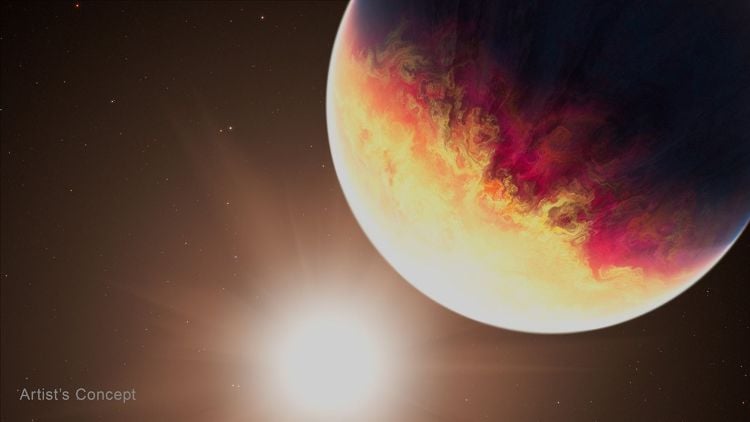
You’re the grillmaster at the annual family 4th of July BBQ and you’re sweating bullets standing over the grill in the sweltering summer heat. You’re trying to stay cool by pressing a cold beer can on your forehead, but to no avail. You can’t go inside because, once again, you’re the grillmaster and need to watch the food simmering on your freshly cleaned grill. Your brother-in-law is a university astronomy professor and walks over asking how you’re doing. You say, “This heat is killing me. I feel hotter than the barbeque!” Your science teacher brother-in-law slyly says, “Try being an exoplanet.” You roll your eyes.
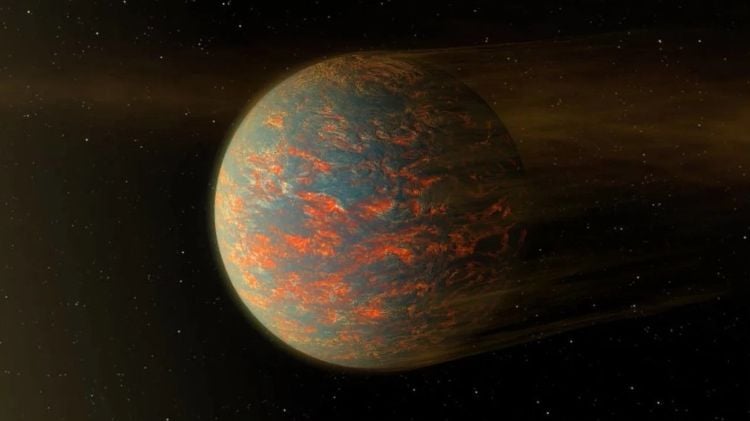
It’s 2158, and you’re chugging away on your PhD in Planetary Volcanology from the University of Utopia Planitia on Mars. Graduate students still get paid a sub-living wage, so you’ve been stuck eating freeze-dried ramen for the past three years. You’ve completed studying Jupiter’s moon, Io, but now you have to leave the solar system for a good exoplanet analog. While Io’s volcanism is caused by tidal heating, you need an exoplanet whose volcanism is caused by extreme heat from its host star. You recently secured funding from the Exoplanet Research Institute for a faster-than-light (FTL) ship, but the exoplanet is required to be less than 50 light-years away.
It’s 2134, and humanity has finally embraced green technologies while ridding the Earth of harmful fossil-burning technologies, most notably gasoline, wood, coal, and oil. As a result, soot has been rendered obsolete, and all commercial products from soot, including shoes, wires, computer products, and eye products, are now produced from eco-friendly technologies. However, the uber-rich who still fancy non-eco-friendly products are willing to pay soot’s weight in gold for it. Therefore, the Exoplanet Research Corporation outfits its best ship to search for soot-enriched exoplanet atmospheres.
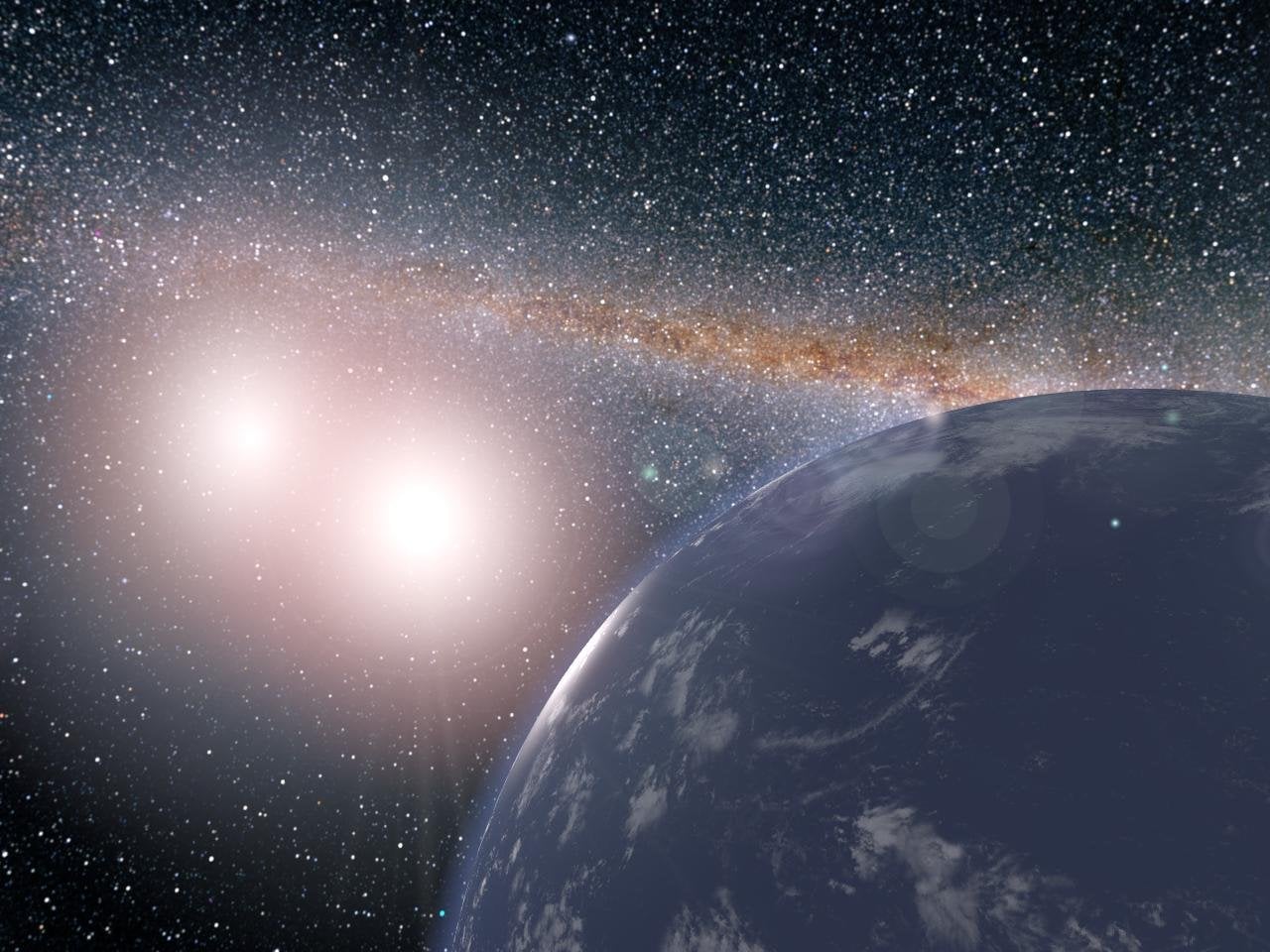
A debate has been raging amongst planetary scientists for over a decade - why are there so few exoplanets with a radius of about 1.8 times that of the Earth? Exoplanets are currently largely grouped into two distinct groups - “super Earth” are below that size and have rocky interiors, whereas “Sub-Neptunes” are above that size limit and appear “puffier.” But we don’t really understand what about the path of planetary evolution forces this bifurcation. A new mission proposal, called the Early eVolution Explorer (EVE) wants to find out, and a draft of its concept can be found in pre-print form on arXiv.
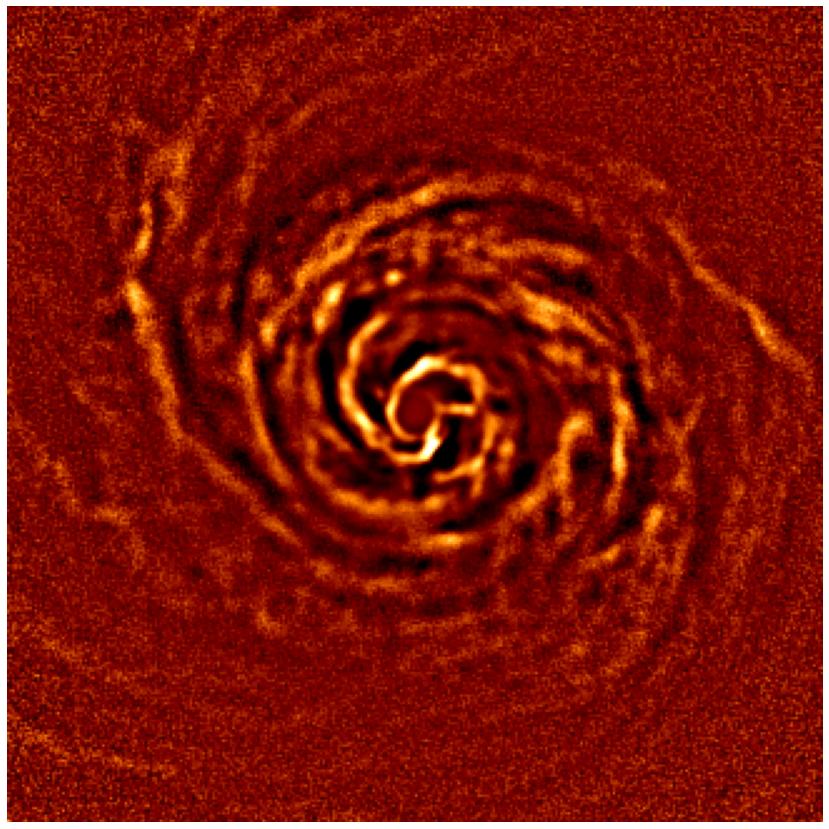
Ever since the first protoplanetary disk was discovered in 1984 around the star Beta Pictoris, these objects have presented astronomers with laboratories to study the births and evolution of worlds around distant stars. A team at France's National Center for Scientific Research (CNRS) and the University of Bordeaux, made a breakthrough in understanding these planetary birthplaces when they directly observed the rotation of a protoplanetary disk around the young star AB Aurigae.
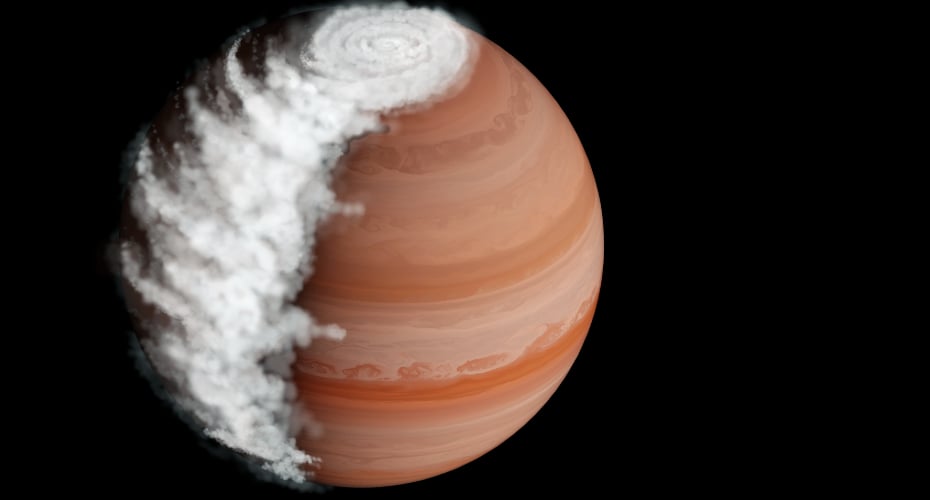
Astronomers have developed a technique that allows them to detect cloud cycles on distant exoplanets. Using data from the James Webb Sapce Telescope (JWST), the astronomers found that mornings and evenings on the gas giant WASP-94A b have extremely different weather patterns: mornings are riddled with sand clouds, while the skies are clear in the early evenings. By isolating the clouds, researchers can more accurately measure a planet’s atmosphere and provide a clearer picture of the planet’s composition. WASP-94A b, for example, has much less oxygen and carbon than astronomers perviously calculated, making its atmosphere much more like Jupiter than they had originally thought.
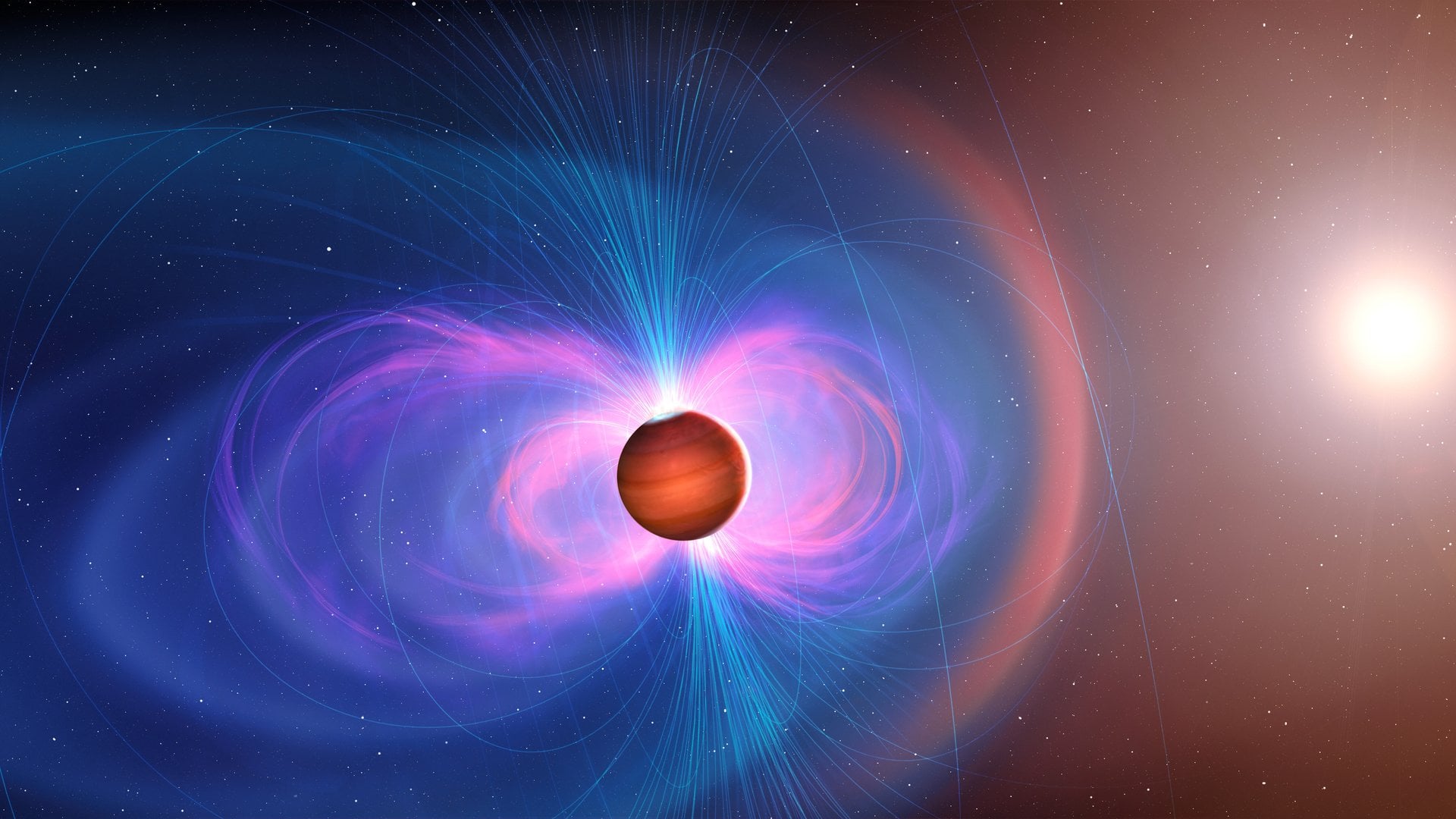
Astronomers studying wind speeds on distant exoplanets have discovered weather systems driven by magnetic fields, rather than the largely hydrodynamic weather patterns observed on Earth. This discovery is among the best evidence yet for the existence of magnetic fields on exoplanets.
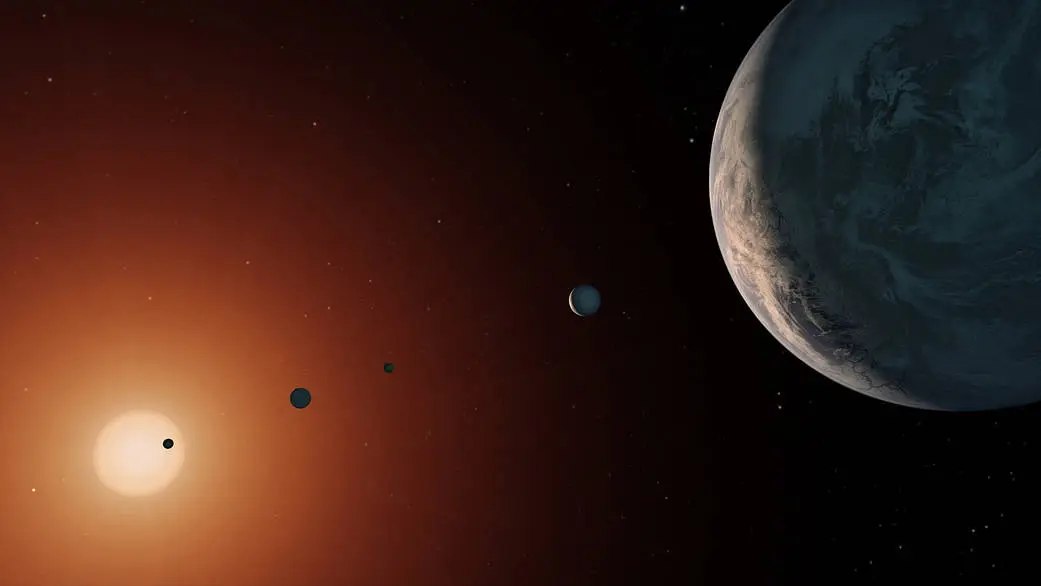
The TRAPPIST-1 system, located about 41 light years from Earth, has been a focal point of much exoplanetary discussion - mainly because it has 7 confirmed planets orbiting a dim M-dwarf star. Two of those planets - TRAPPIST-1e and -1f - are thought to be in the star’s habitable zone. However, the habitable zone of M-dwarfs is so close to the star itself the planets are likely tidally locked to it, meaning they have a permanent day and night side, with a “twilight terminator” in between. Armed with that knowledge, scientists have been attempting to model the climate on these two exoplanets, and a new paper from Jacob Haqq-Misra of Blue Marble Space uses a new type of climate model to accurately do so with much less computational power.
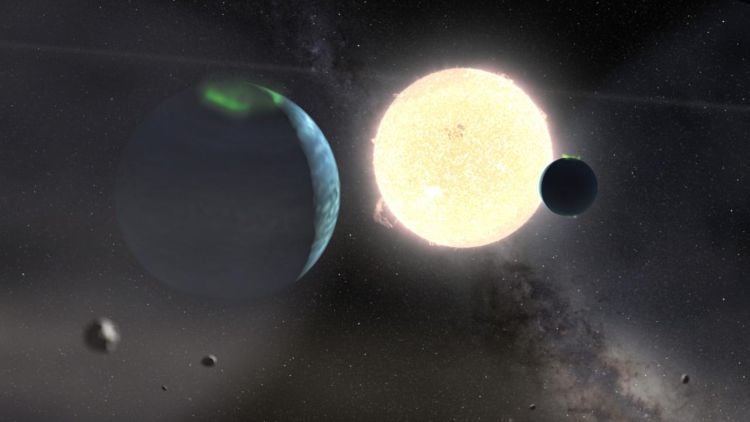
It’s 2234, you’re on your annual class field trip touring exoplanets, and your teacher informs everyone they can pick one more exoplanetary system to explore before heading back to Earth. You and your classmates are exhausted from the day’s activities and you’re hungry. However, you get really excited because you already know what everyone will want. You and your classmates all shout in unison, “The young and far away puffy ones!”