Astrobiologist Uses Apollo Lunar Samples As Mirror Onto Early Earth
A Tokyo-based astrobiologist is using an ingenious new way to garner insight into Earth’s 3.5-billion-year-old biosphere.
The search for life in the universe
A Tokyo-based astrobiologist is using an ingenious new way to garner insight into Earth’s 3.5-billion-year-old biosphere.
The search for extrasolar rocky planets circling other stars is more than mere science. It offers researchers a chance to gain crucial insight into how our own planet functions.
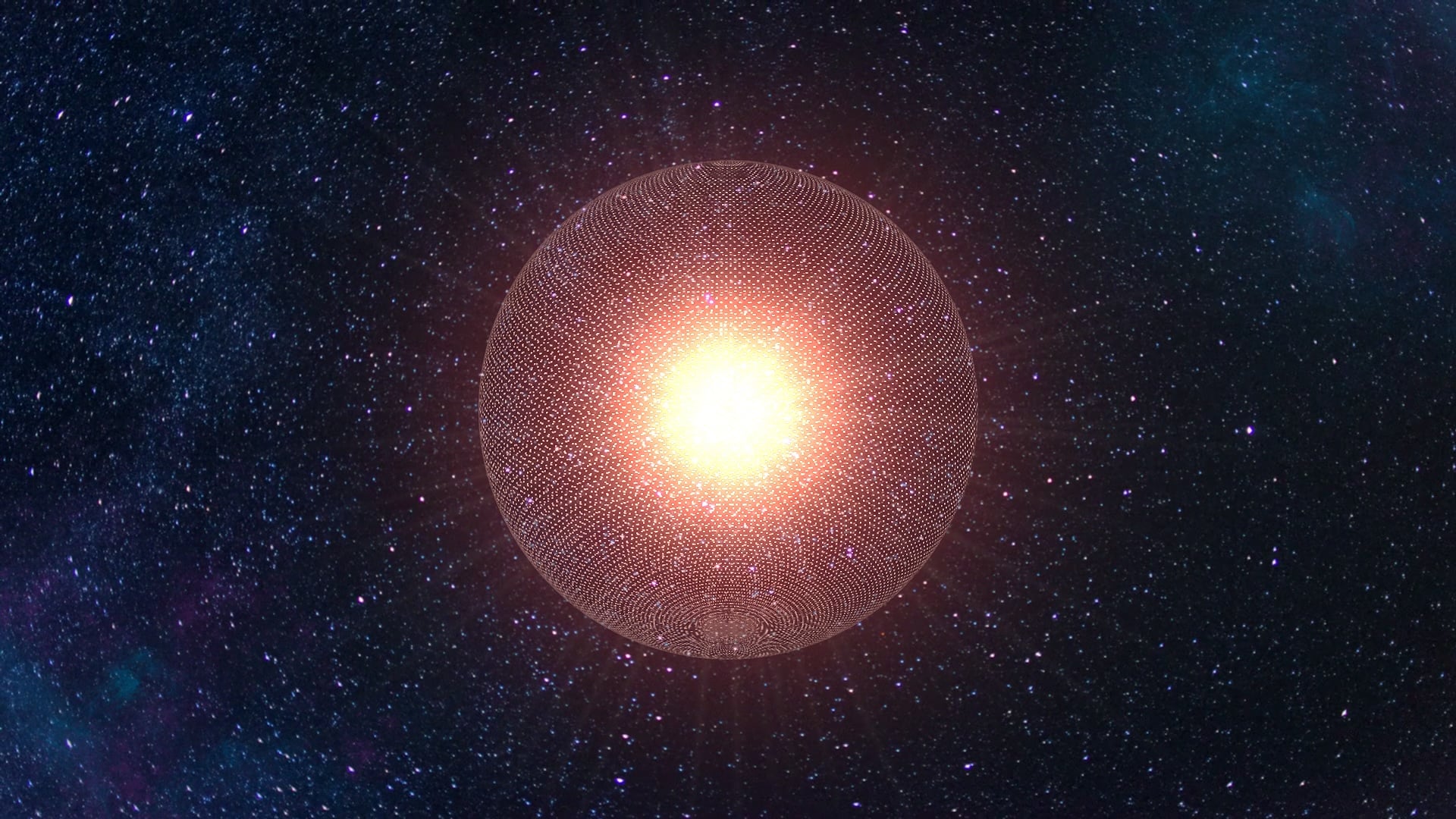
One of the challenges of searching for “technosignatures” (i.e. signs that intelligent life somewhere in the universe has created technology) is understanding what to look for. Technology is a very broad area, and different types would show up as different features. One of the most commonly cited is a Dyson sphere, which attempts to encapsulate a star and capture it’s outgoing light to produce energy. But while we’ve looked for the mid-infrared waste heat these structures would produce for decades, we haven’t found a definitive instance of one. According to a new paper, available in pre-print on arXiv by Turkish high school student Sahin Torlakcik, that might be because we are looking for the wrong type of energy all together.
Searching for extraterrestrial intelligence has so far meant primarily focusing on one particular type of signal - and that signal has normally been based on what our own current cutting edge technology is. But what if that’s the wrong way to look for signs of an alien intelligence? What if a resource-conscious civilization decided it was too complicated to send femto-second lasers in high energy bursts out across the universe. A new paper, available in pre-print on arXiv, from researchers Dániel Apai, Chia-Lung Lin, and Kevin Wagner, suggest that might actually be what happens, and that we should start looking for long-duration pulsing interstellar beacons.
Finding microfossils of Earth’s oldest complex life is a bit like chasing an astrobiological rainbow. The eukaryotic pot of gold at rainbow’s end always seems just a bit out of reach.
Astrobiology has long been split into two camps: a search for "biosignatures" and a search for "intelligence." These look for very different things, but they also leave a huge gap in between. It took 3.5 billion years for us to go from the first microbe to a civilization that sent radio waves out into the cosmos. Detecting life in between those stages is a relatively untouched aspect of astrobiology—which is also the focal point of a new paper, "Signs and Signatures of Intelligence", available in pre-print on arXiv, by astrobiologist Julia DeMarines.
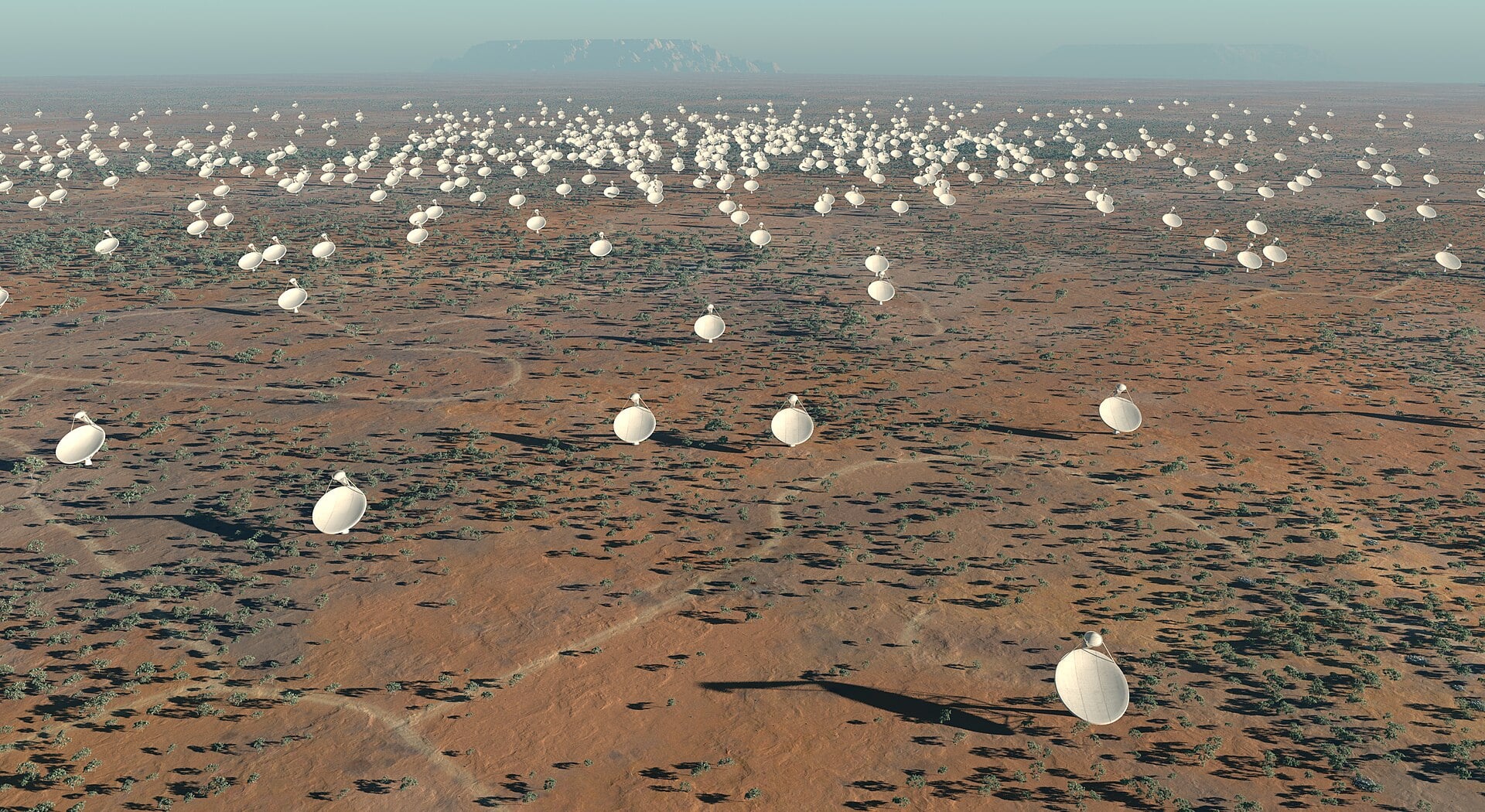
With new technologies come new opportunities. And that is especially true in astronomy - with every new advanced telescope we have the potential to see (or in some cases, listen) further and more clearly than we ever have before. That is certainly the case for the new Square Kilometre Array (SKA), which is currently undergoing a multi-year roll out phase. Despite that drawn out process, astronomers are already excited about its potential, and a new book chapter from Dr. Chenoa Tremblay and her co-authors details how this new technology could be used to answer one of the most fundamental questions - are we alone?
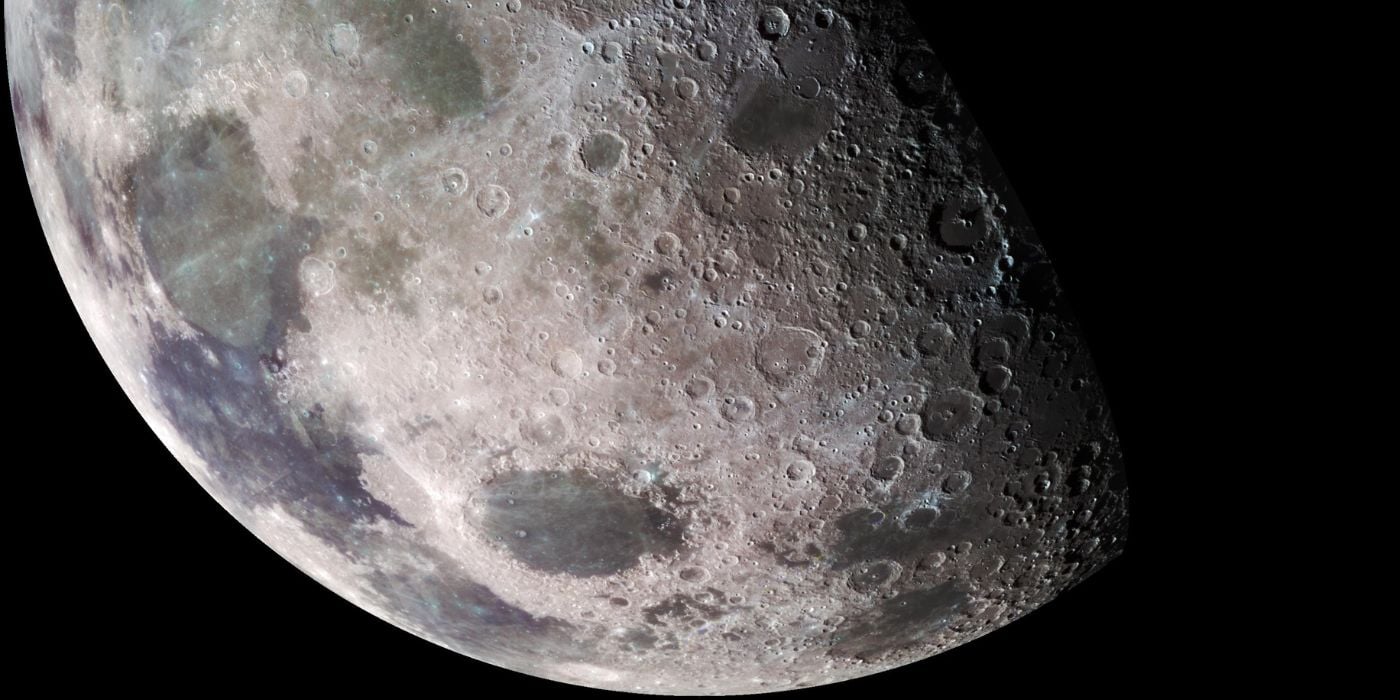
Hopefully, we’re about to travel back to the Moon relatively soon. And while the original “giant leap for mankind” was taken by a human, Neil Armstrong brought a plethora of other forms of life along with him. Humans themselves are essentially walking ecosystems, and understanding how our microbial companions survive in the harsh environments of space will be critical to ensure the health and safety of future astronauts, no matter where their giant leaps might be. A new PhD thesis from Tommaso Zaccaria at Radboud University showcases just how well-suited to some of these harsh environments terrestrial pathogens actually are.
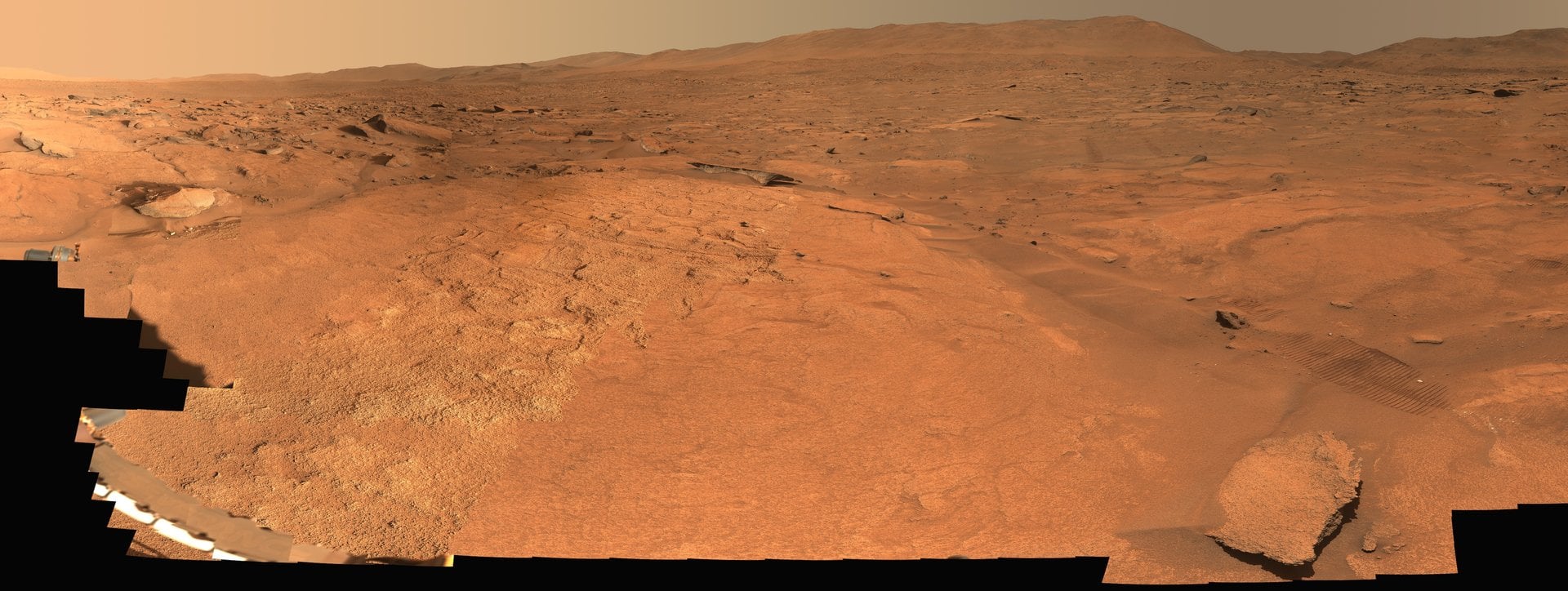
Jezero Crater on Mars is a 45-kilometer-wide (28-mile) crater that once hosted a lake billions of years ago fed by two distinct river valleys with Jezero eventually forming an exit channel over time. One of Jezero’s most prominent features is the massive river delta that consists of sediments that were deposited as the inflow slowed down. Researchers hypothesize that the delta and lake were formed under freshwater conditions, indicating the potential for life as we know it, also called biosignatures.
Artificial Intelligence (AI) is continuing to have a disruptive impact on ever more parts of humanity. But what does it mean in the long run? A new paper, available in pre-print on arXiv from Austrian researcher Sergey Ivliev, extrapolates what the wide scale adoption of AI means for the future of humanity in space - and in particular what it means for the ultimate question of whether we’re truly alone in the galaxy or not.
Even at this early stage in our space faring age, humanity has already begun sending probes that will eventually reach other solar systems, even if that was not their original intention. Five robotic explorers - Pioneer 10 and 11, Voyager 1 and 2, and New Horizons - are all on escape velocities out of the solar system, and might someday enter another one. They will no longer be operational at that point, but they serve as a proof of concept that spacefaring civilizations do indeed build interstellar probes. Which raises the obvious question - has anyone else sent their own robotic explorers to ours? In a recent paper, published in the Proceedings of the IAU Centenary Symposium, astronomer T. Joseph W. Lazio, points out a painful truth - we still have no idea, and our technology will need to get much better if we plan to find out.
Our search for technosignatures - clear signs of advanced civilizations beyond Earth - takes many forms. Many are driven by the famous Drake equation, which attempts to estimate how many technological civilizations there are in the Milky Way. However, there’s a big fat question mark at the end of that equation in the form of a variable intended to account for the “longevity” of a civilization. And to be clear, that doesn’t mean how long the civilization itself survives. It simply means how long it actively creates a signature that is detectable by our current technology. A new paper, available in pre-print on arXiv from Oxford astrophysicist Brian C. Lacki, argues that, since the chances of us overlapping in time with any such civilization are miniscule, we’re much more likely to find the ruins of a “dead” civilization - and, surprisingly, the best place to do so might be in our own solar system.
NASA-supported scientists have provided new information about how the early Earth may have acquired some elements necessary for the planet to become habitable. They also suggest a new role for Jupiter in the distribution of these elements throughout the young solar system. The study, published in Science Advances, examines this history by looking at the ratio of phosphorus to nitrogen in iron meteorites and in younger objects known as chondrites.
"Disclosure Day" is nigh! Steven Spielberg's latest movie tells a tale of alien visitation, and even though the tale is totally fictional, it sheds a spotlight on the real scientific, religious and social issues associated with anomalous encounters.
Sulfur is one of the most abundant elements in the universe. If you peer into a diffuse interstellar cloud, you find loads of it - about the amount expected based on fusion patterns of the stars it was born in. However, if you look at a dense, cold, molecular cloud - the kind where those stars actually form - it seems like 99% of the sulfur that is expected to be there is missing. Scientists have puzzled over this “missing sulfur problem” for decades, though a leading theory is that the element hides on icy dust grains making it hard to detect. A new paper published in Astronomy & Astrophysics from the Max Planck Institute for Extraterrestrial Physics and the Centro de Astrobiologia describes a new computer simulation model that they aimed to support the interpretation of laboratory results and test our current understanding of sulfur evolution in interstellar ices.
A new study by Prof. David Kipping offers a new take on the Hart-Tipler Conjecture, the theory that states that extraterrestrial intelligence doesn't exist because of the lack of Von Neumann probes in our galaxy. His results indicate that advanced life may be very rare in our Universe (Ă la the Great Filter), or that intelligent species may be unlikely to send out such probes in the first place.
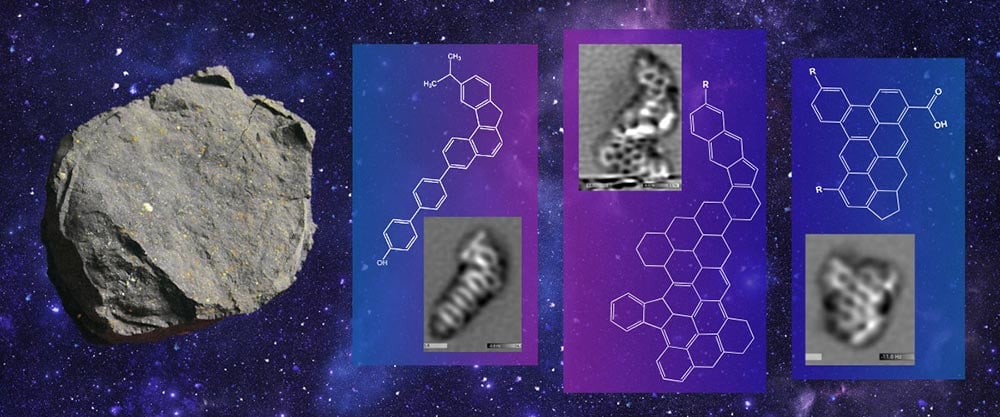
The space between stars may seem like a barren desert, but over the past few decades scientists have been finding all sorts of interesting chemicals in it. From the precursors to proteins to the building blocks of cell membranes, there has been discovery after discovery of new molecules in the giant gas clouds between the stars. Now, a new paper available in pre-print on arXiv details the discovery of the first ever four-carbon sugar in the Interstellar Medium (ISM), and it is another brick on the path to understanding how life on Earth first developed.
An international committee of experts says it has updated its rules for evaluating and revealing the detection of extraterrestrial intelligence. The revisions to the decades-old Declaration of Principles, created and maintained by the International Academy of Astronautics' SETI Committee, come just days before the release of "Disclosure Day," a movie about alien visitation directed by Steven Spielberg.
Multi-billion dollar space telescope programs aren’t only feats of aerospace engineering. They also feature “lies, damn lies, and statistics”. Or at least statistics. They definitely feature those, as does all good observational astronomy. The problem with statistics is, in order to get a clear definitive answer, you need lots of samples. And, to put it mildly, it’s hard to find lots of samples of planets with alien life on them. And even harder to prove that the signals we think are caused by alien life aren’t caused by some other non-biological process. Or at least that’s the theory underpinning a new paper available in pre-print on arXiv from David Kipping of Columbia University (and Cool Worlds YouTube fame).
It’s 2035 and NASA’s Dragonfly quadcopter has been “hopping” around the surface of Saturn’s largest moon Titan for just over a year taking images, scanning pebbles, drilling holes, and analyzing surface material for potential signs of life. You’re at NASA JPL and just moved to Blue Team (12am-8am) from Red Team (4pm-12am), so you’re hyped up on coffee, Red Bull, and will power. It’s 3:30am, you’ve been analyzing data since you clocked in, and you keep discarding what you’ve been told looks like positive signs of life but is more commonly known as false positives. In the meantime, some microbes on Titan that got scanned by Dragonfly keep posing in front of its main camera with signs saying, “We’re here!”