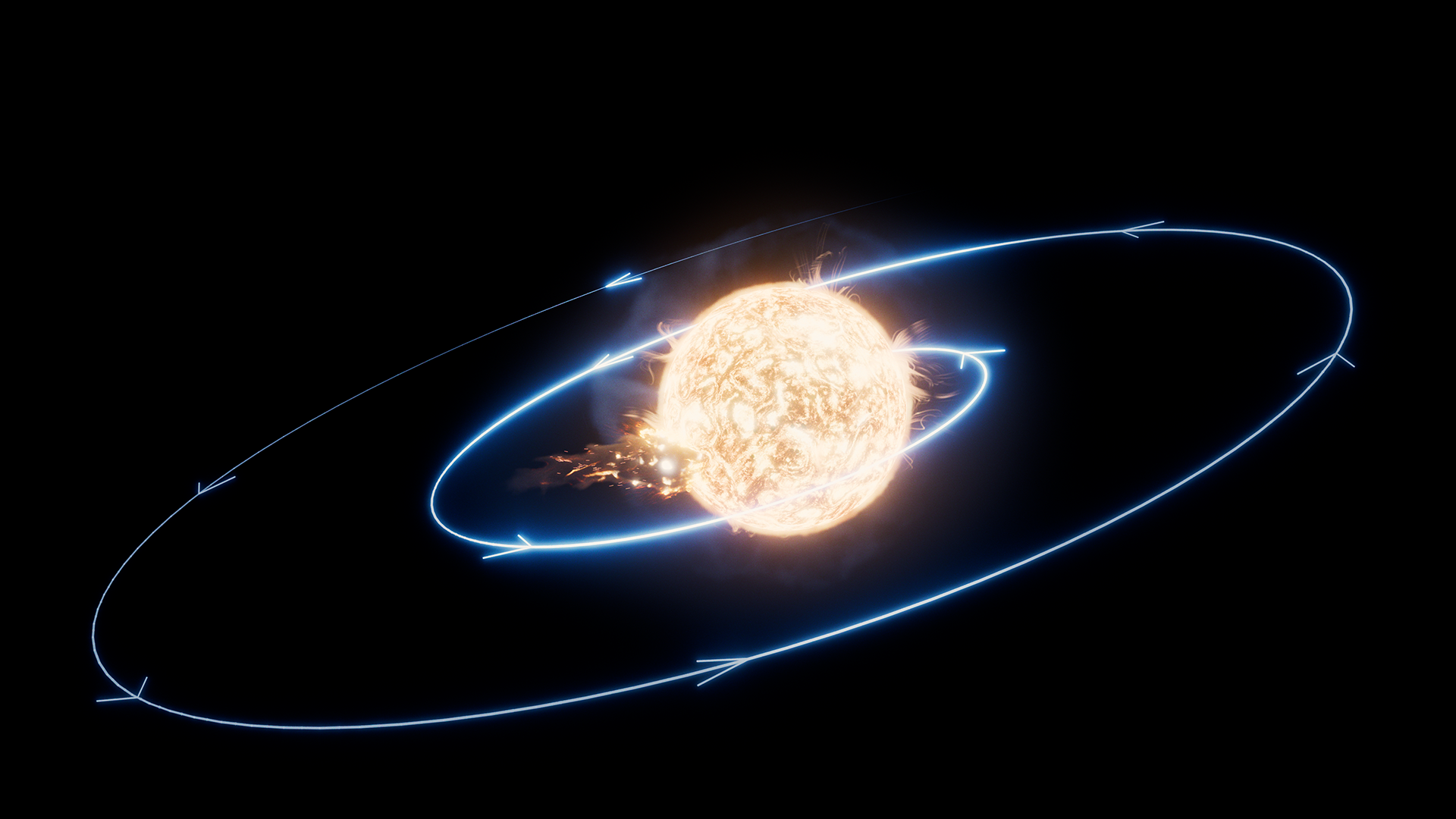
A team of 14 researchers from the United States and Chile have found evidence of a subgiant star eating one of its planets. The star, called TOI-5882, was already known to astronomers because of its massive companion, a brown dwarf called TOI-5882 b. The companion may well have helped kick a planet onto a spiraling journey into the star.
Continue reading
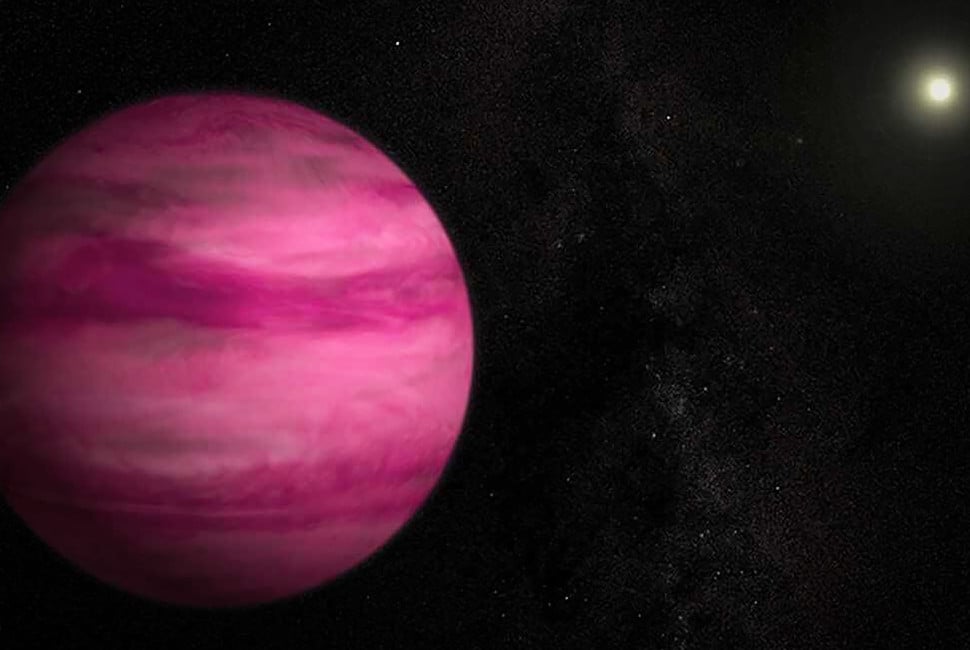
Found in 2013, Pink Planet was too faint to study with ground-based telescopes. In new study, scientists used JWST and advanced processing methods to obtain its spectrum for the first time. Observations provided some of the first direct evidence for salt clouds in a cold object atmosphere. Pink Planet could be a giant planet or brown dwarf, so astronomers refer to it as a ‘planetary-mass companion’.
Continue reading
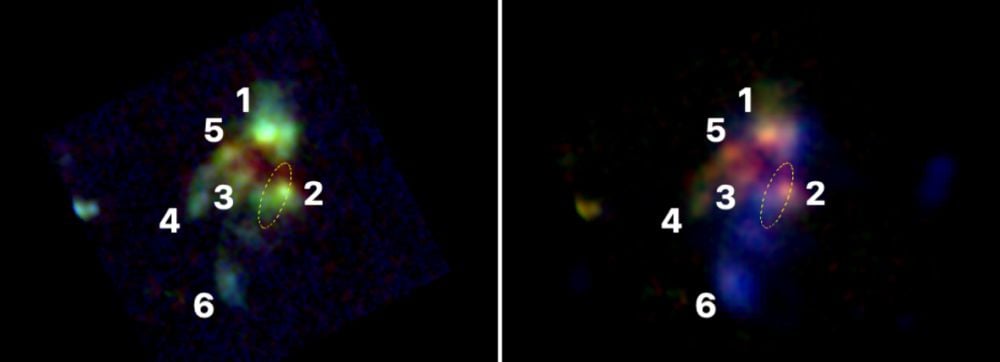
The JWST looked back in time and saw 6 galaxies merging into one. At the heart of the assembly, a supermassive black hole is lurking. It all happened when the Universe was only about 1.5 billion years old, and the red-shifted light is just reaching us now.
Continue reading
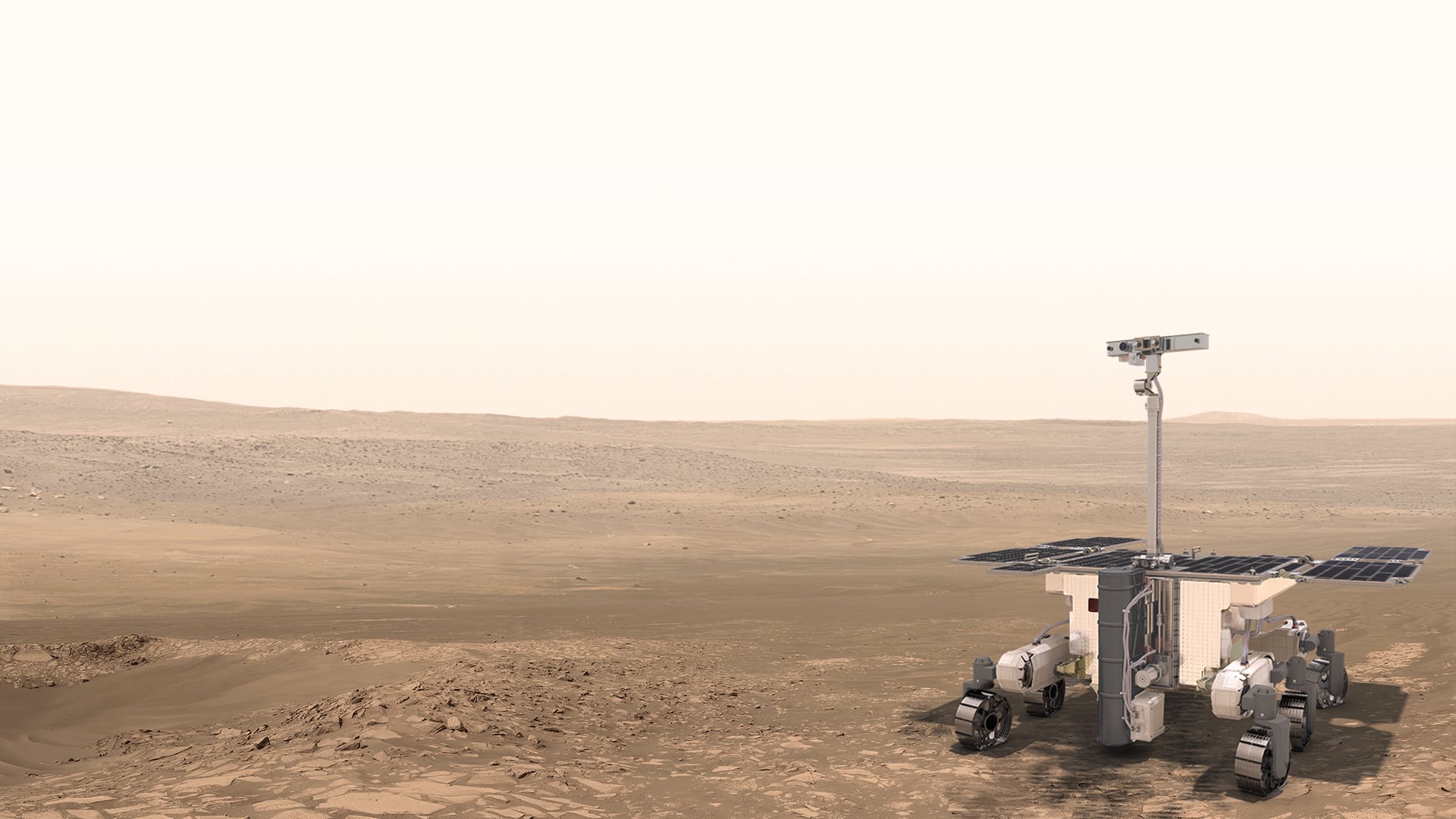
We’ve known for a long time that there are organic molecules on Mars. Rovers and landers keep turning them up wherever they look. But, “organic” simply means a molecule is made up of carbon and hydrogen atoms, not that it was created by life - there are plenty of non-biological processes that can create organic molecules. But there is one feature of organic molecules that can point very strongly in the direction of life or not - its chirality, and a new instrument on the Rosalind Franklin rover, planned for launch to Mars in the 2030s, just proved it can successfully look for it.
Continue reading
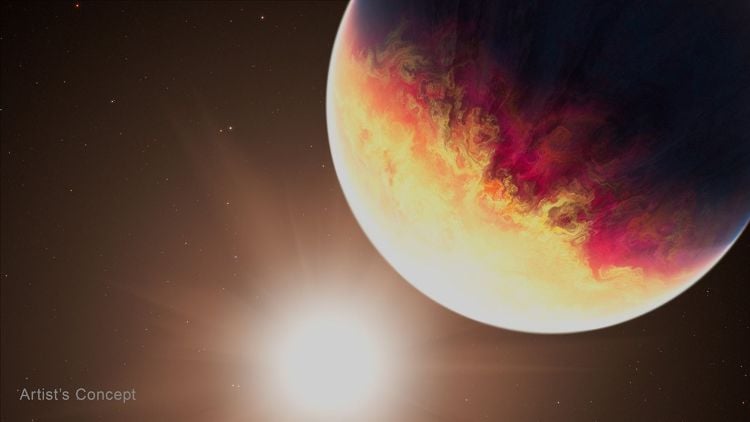
You’re the grillmaster at the annual family 4th of July BBQ and you’re sweating bullets standing over the grill in the sweltering summer heat. You’re trying to stay cool by pressing a cold beer can on your forehead, but to no avail. You can’t go inside because, once again, you’re the grillmaster and need to watch the food simmering on your freshly cleaned grill. Your brother-in-law is a university astronomy professor and walks over asking how you’re doing. You say, “This heat is killing me. I feel hotter than the barbeque!” Your science teacher brother-in-law slyly says, “Try being an exoplanet.” You roll your eyes.
Continue reading
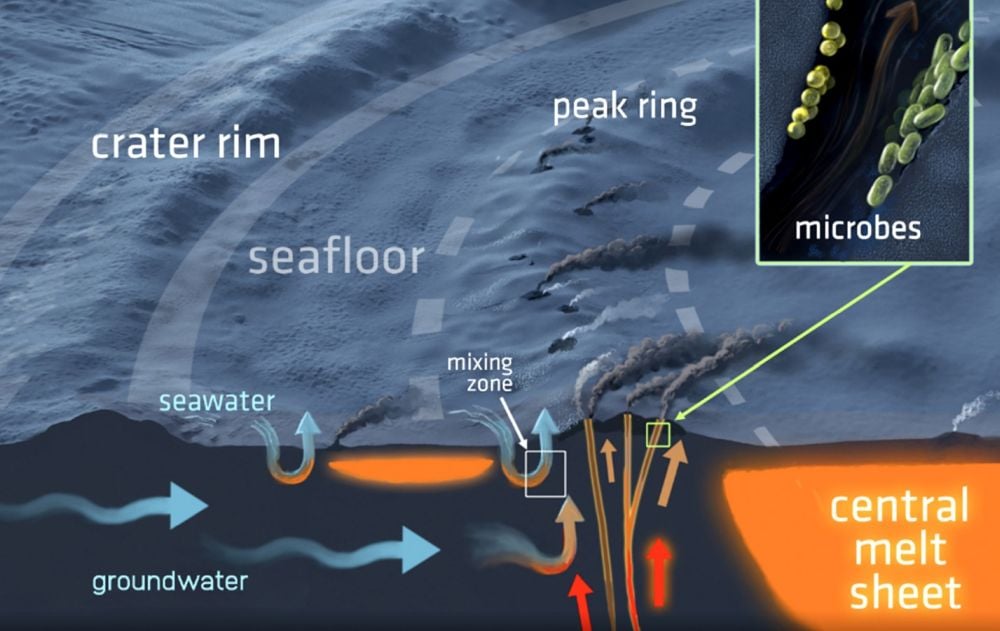
The asteroid that caused the extinction of the dinosaurs also created an underground environment suited to supporting new life, and new research suggests it lasted for millions of years longer than previously suspected. While previous research showed the buried hydrothermal system of porous rock, hot water, and chemical nutrients may have lasted 2 million years, new research says it lasted for 8 million years.
Continue reading
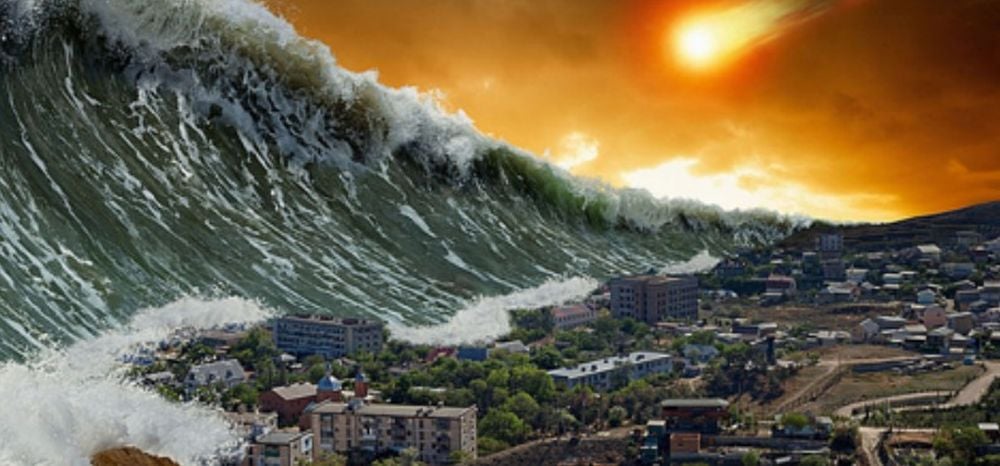
Many of Earth's mass extinctions await clear explanations. We know an impact wiped out the dinosaurs, but what about the planet's other extinction events? New research says flybys of planetary mass objects could've been responsible.
Continue reading
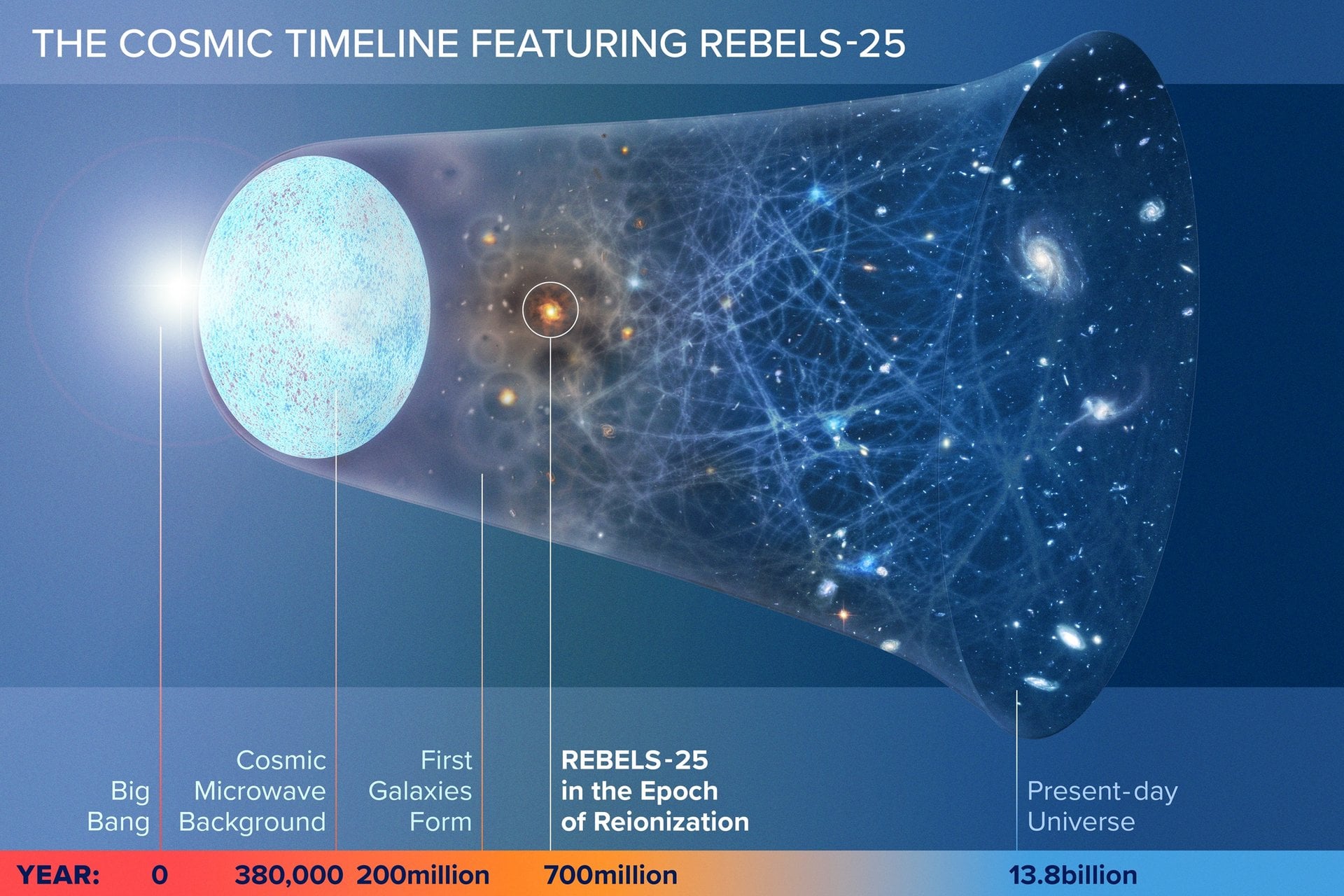
Astronomers have discovered a huge reservoir of cold molecular gas, the direct fuel for star formation, in REBELS-25, a massive, star-forming galaxy.The team, led from Leiden University, focused on REBELS-25, seen when the universe was only about 700 million years old, around 5% of its current age. Astronomers use “redshift” to describe this distance, which measures how much the universe’s expansion has stretched a galaxy’s light to redder wavelengths.
Continue reading
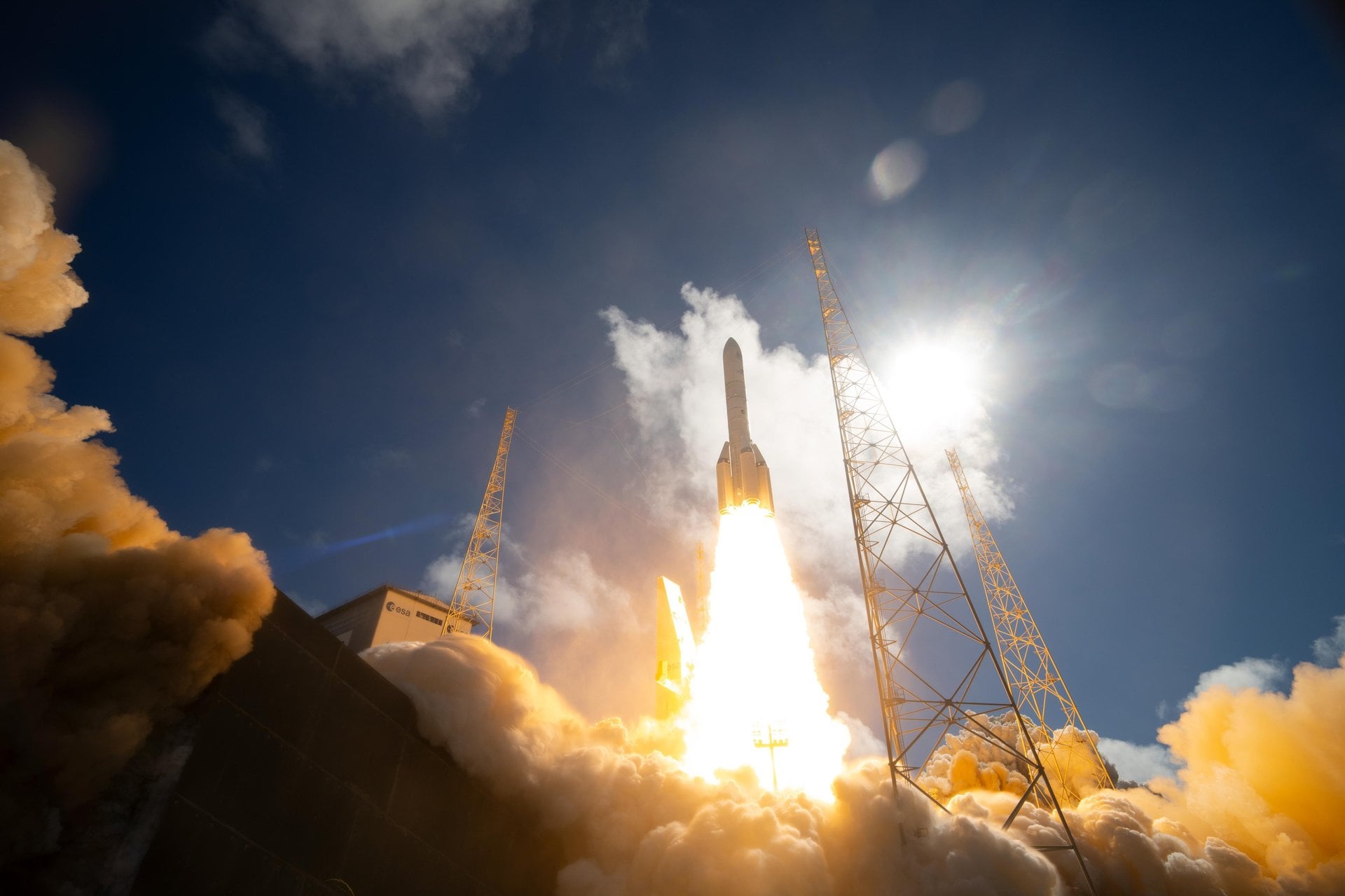
On 17 June at 09:21 local time (13:21 BST, 14:21 CEST) Ariane 6 flight VA269 soared to orbit from Europe’s Spaceport in French Guiana. 36 satellites for Amazon’s Leo constellation were placed into their orbit just over an hour after liftoff – the eighth successful mission insertion in a row for Europe’s newest rocket.
Continue reading
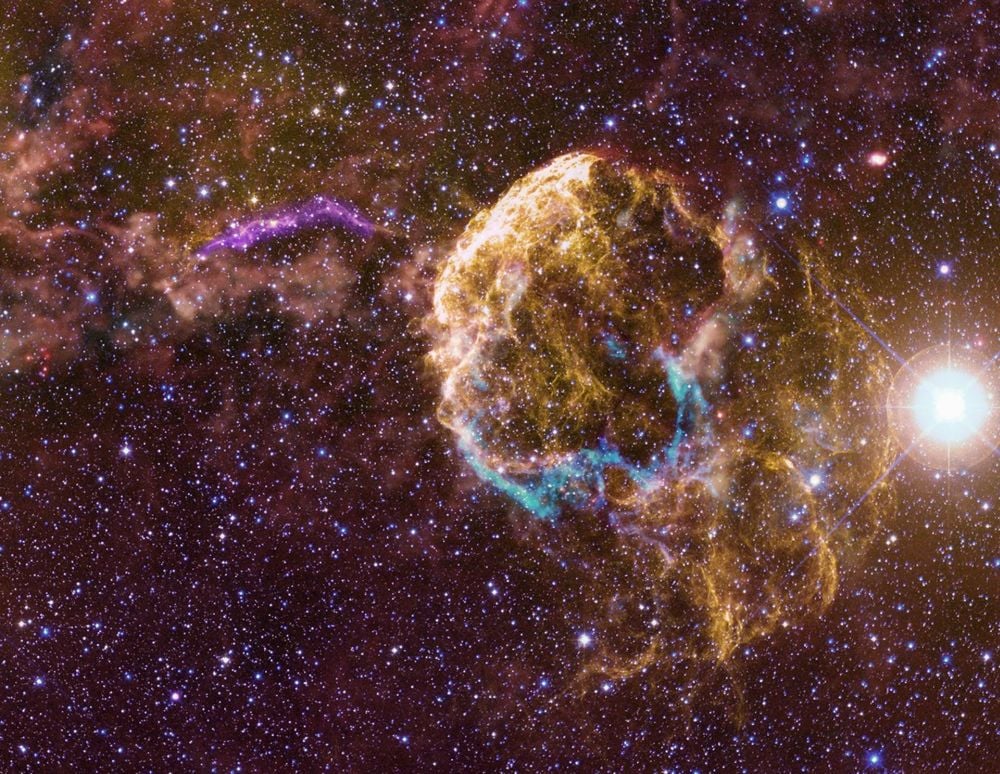
Astrophysicists have found what is likely the very first pair of sibling supernova remnants. One is the well-known Jellyfish Nebula, and the other was long thought to be hidden in the bright glare from the Jellyfish. The pair are connected by a bright filament of gas.
Continue reading
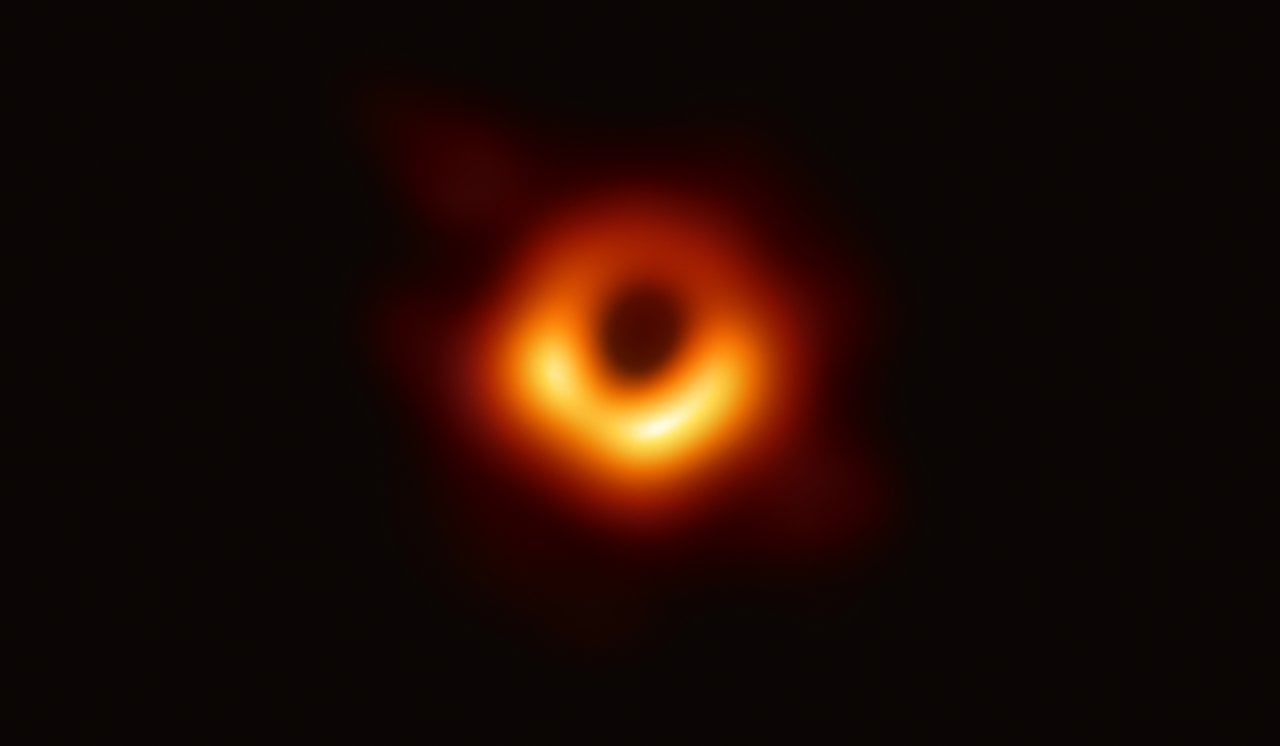
It feels like every few months we get to report on another academic paper coming out singing the praises of the Solar Gravitational SGL (SGL). Partly, this is due to Dr. Slava Turyshev’s astounding productivity in terms of pumping out academic articles, but partly because such a ground-breaking mission has lots of positive aspects, but also challenges that need to be addressed. A new paper, available in pre-print on arXiv from Dr. Turyshev, stresses an often overlooked feature of the SGL - how useful it can be at imaging things other than far away exoplanets.
Continue reading
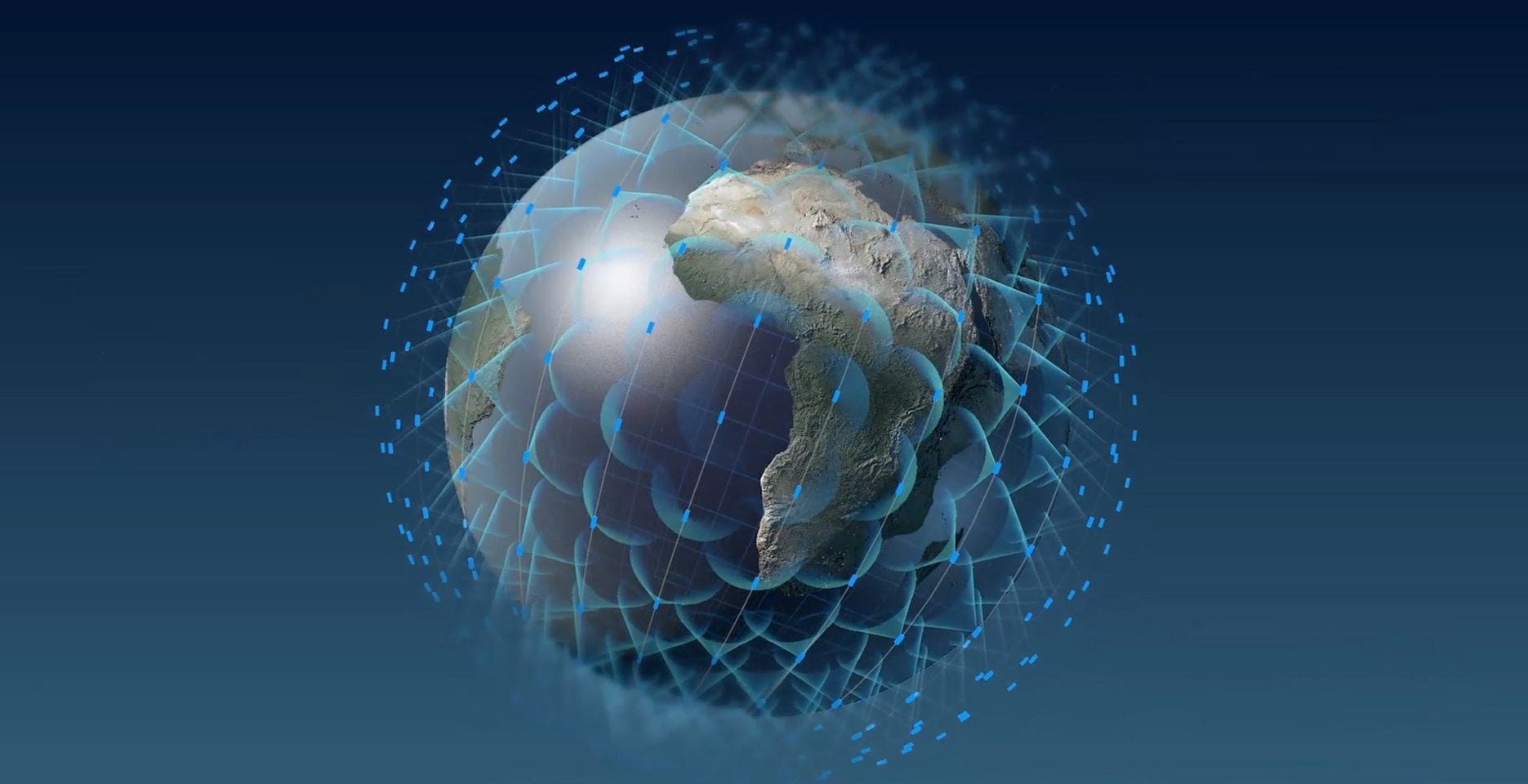
A proposal to create a new network for monitoring cosmic threats to off-world infrastructure has won this year's Schweickart Prize, which recognizes bright ideas for planetary defense.
Continue reading
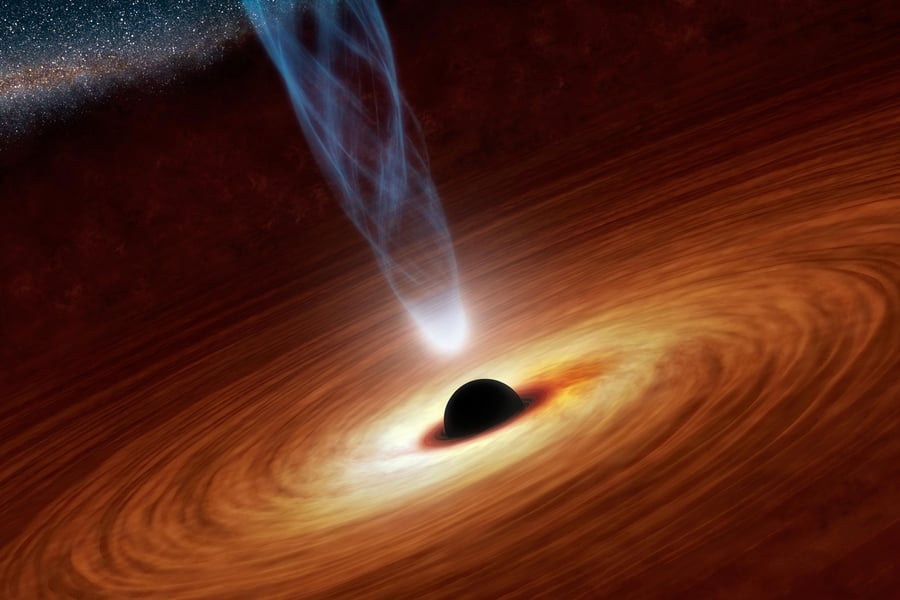
Astronomers have detected a flickering quasar called J0439+1634 as it appeared only 850 million years after the Big Bang. That discovery raises fresh questions about black hole formation and activity in the early Universe. The flickering light of this distant cosmic lighthouse showed that black hole at the heart of the quasr has a flat, pancake-shaped accretion disk. That shape is more familiar in modern-day quasars, which leads astronomers to wonder how these objects formed so quickly in the infant cosmos?
Continue reading
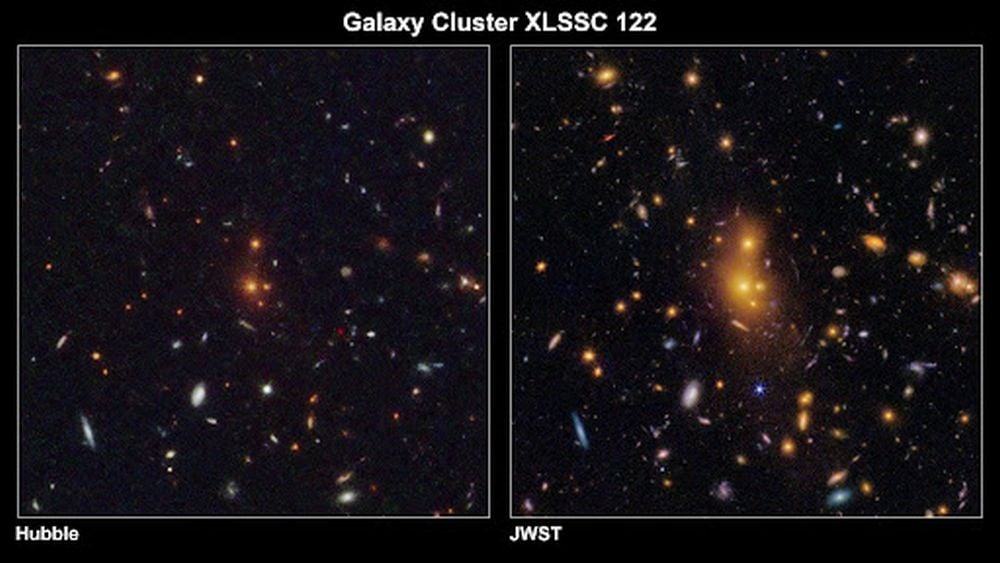
The JWST found a galaxy cluster from 10 billion years ago that's far more developed than it should be, according to cosmological models. The cluster is also the most distant strong gravitational lens that we know of. Detailed observations across the spectrum show that the cluster is still undergoing mergers.
Continue reading
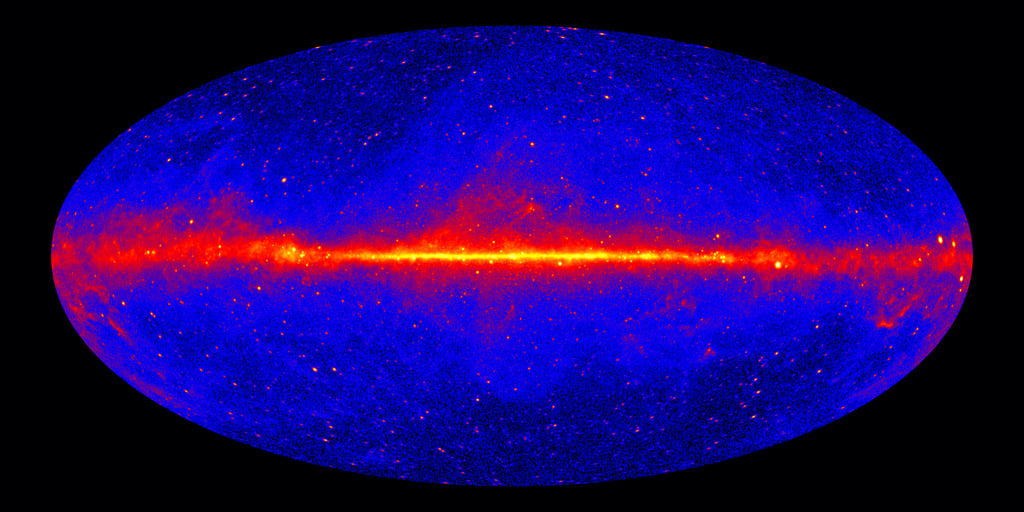
There are multiple ways to form black holes. The one most commonly taught in high school physics classes is that they are created from the collapse of a dying star. But there are another class of black holes, known as Primordial Black Holes (PBHs) that could have been created immediately after the Big Bang by matter collapsing in on it. Or that’s the theory at least. Though long theorized, we’ve never actually seen one of them, though scientists have suggested that they might account for the missing mass of the universe, which we otherwise describe as “dark matter”. But a new paper, available in pre-print on arXiv from researchers at Oakland University in Michigan and Rice University in Texas, calls that theory into question, at least for a certain type of PBH.
Continue reading
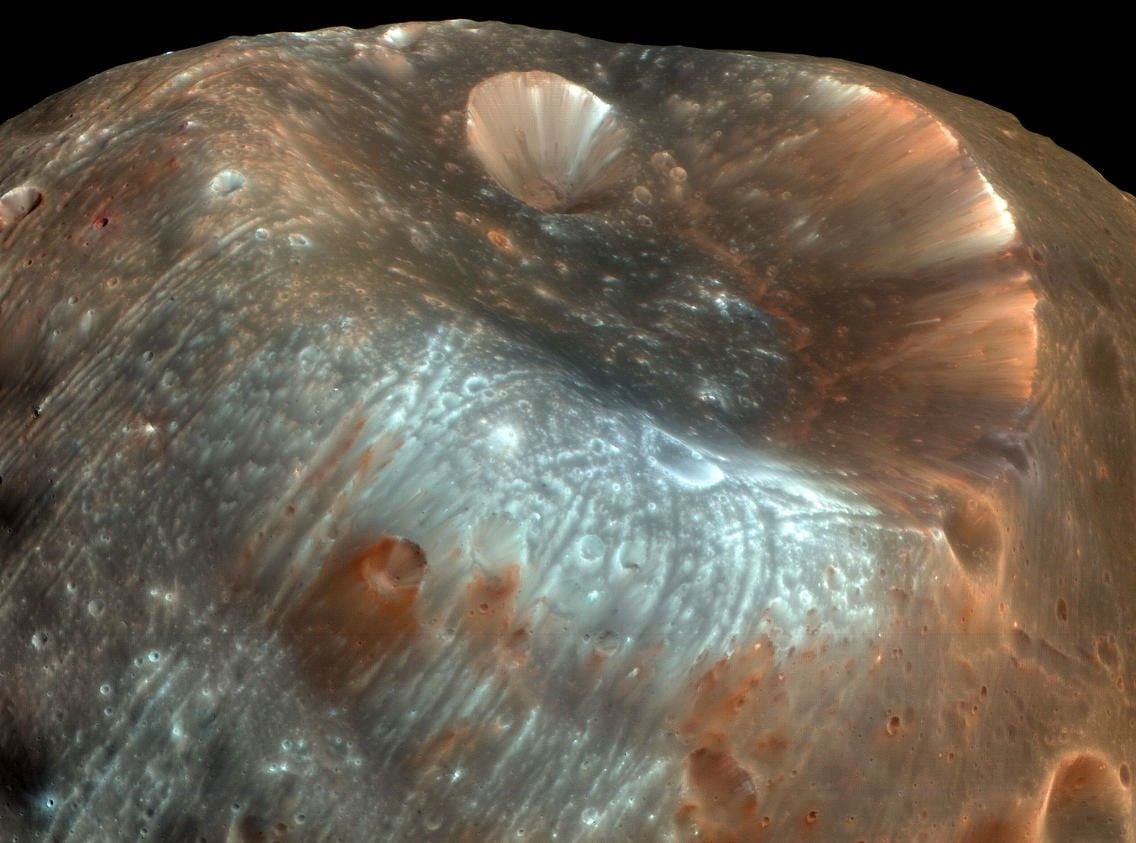
Understanding the Martian moon of Phobos’ origin hinges on decoding its interior. Japan’s Martian Moons Exploration (MMX) mission due for launch in late 2026 should help.
Continue reading
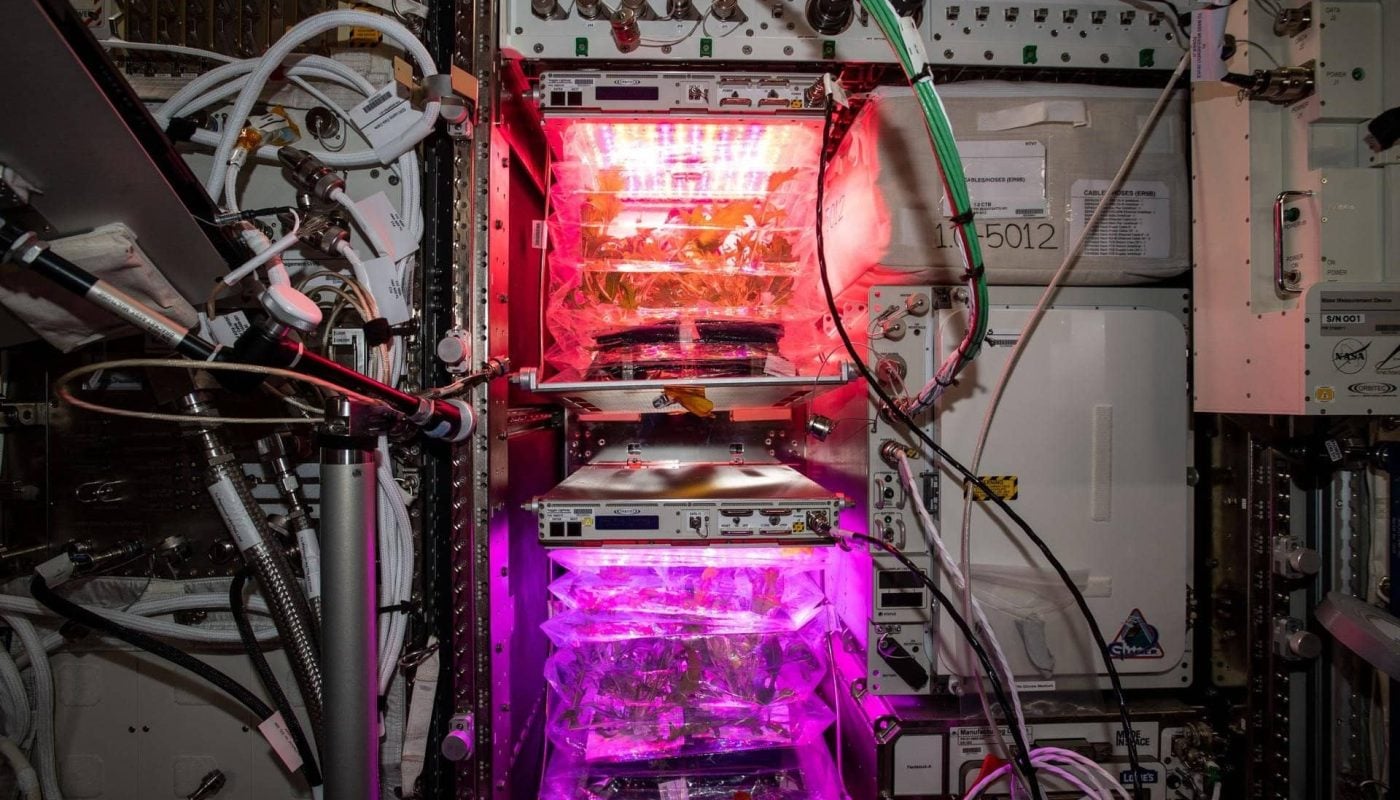
A new pharmaceutical production method could allow astronauts on long space missions to "grow" fresh medicines on demand using plants. The work could also bring low-cost pharmaceutical production to resource-limited areas on Earth.
Continue reading
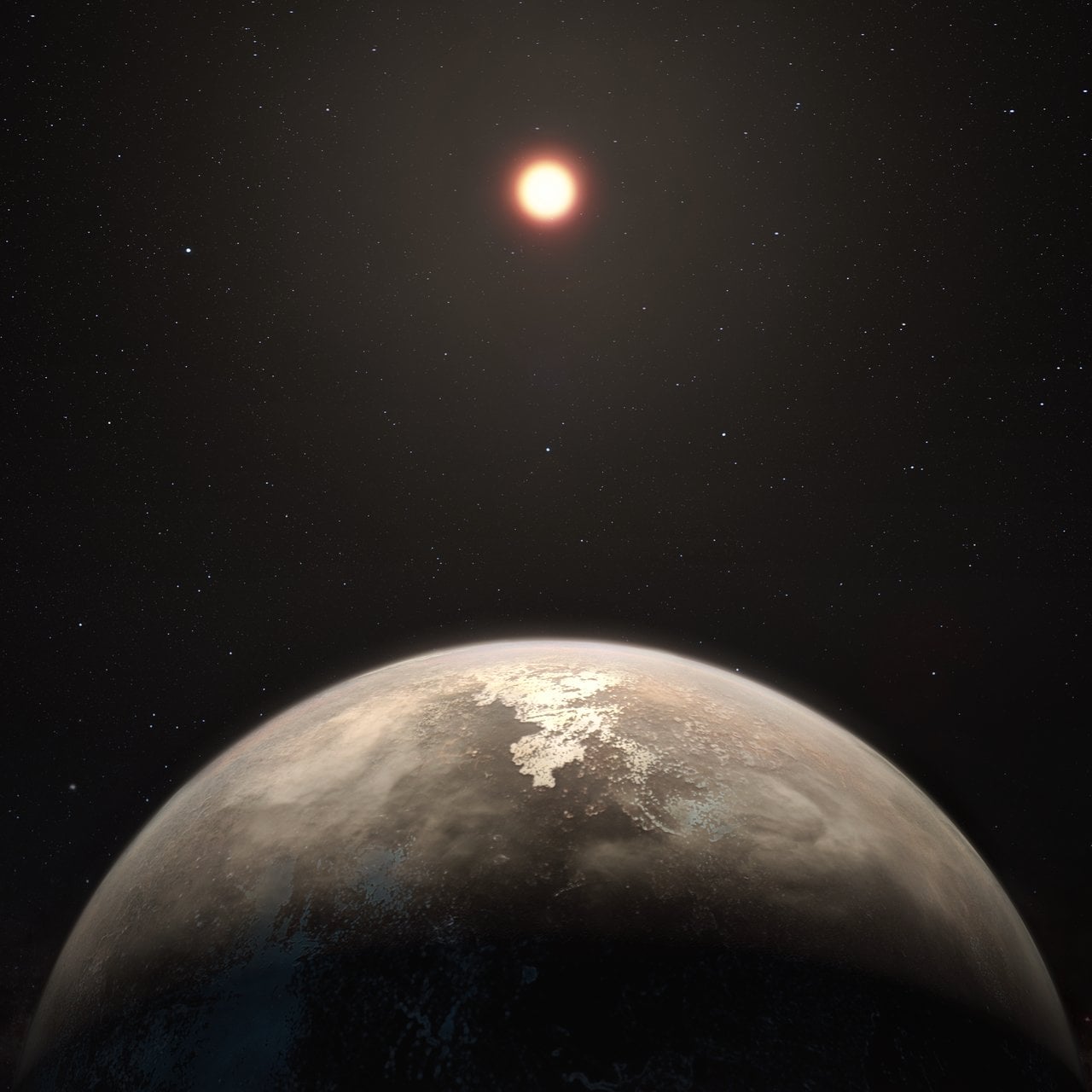
Current plans for flagship telescopes in the 2040s are focused on answering a simple question - are we alone? Our best telescopes to date, such as the James Webb Space Telescope (JWST) have only given us tantalizing glimpses into the atmospheres or other worlds, but not enough to truly determine whether or not life as we know it exists there. Astronomers have been waiting for technology to catch up to their dreams of what is possible in terms of new types of telescopes, and recently the W.M. Keck Institute for Space Studies released a report detailing the Large Interferometer For Exoplanets (LIFE) mission, which they hope will help provide a definitive answer to that simple question.
Continue reading
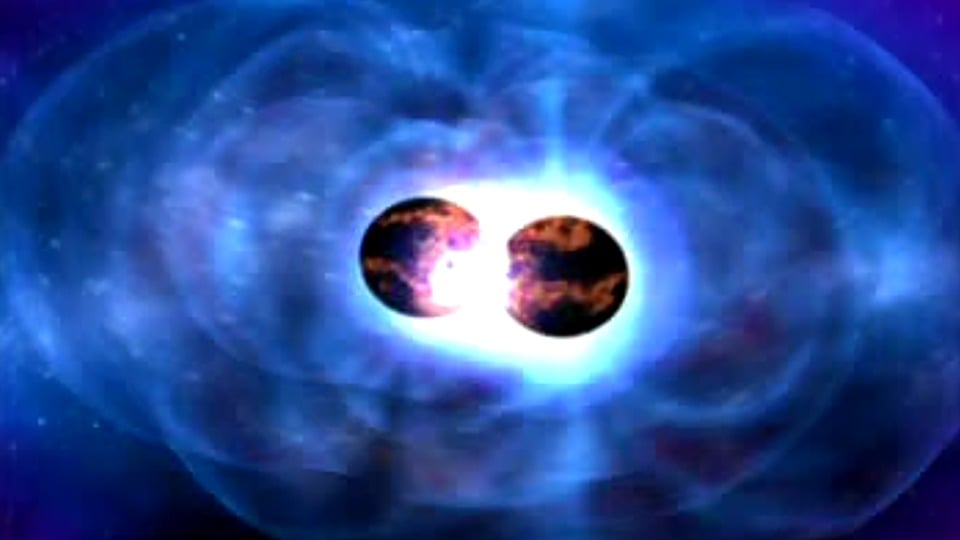
A small lump of rock pulled up from the Pacific Ocean seafloor in 1976 is giving scientists new clues about an ancient cosmic event. More than a hundred million years ago, two neutron stars collided. The resulting energetic kilonova sent a rain of long-lived elements, such as isotopes of plutonium, through space. Eventually, this stellar "debris" settled onto Earth. Some sank to the bottom of the ocean and got incorporated into a chunk of ferromanganese rock. Hidden inside were a few hundred atoms of plutonium radioisotopes. They provide the strongest clues about what created them in the merger and how long ago it happened.
Continue reading
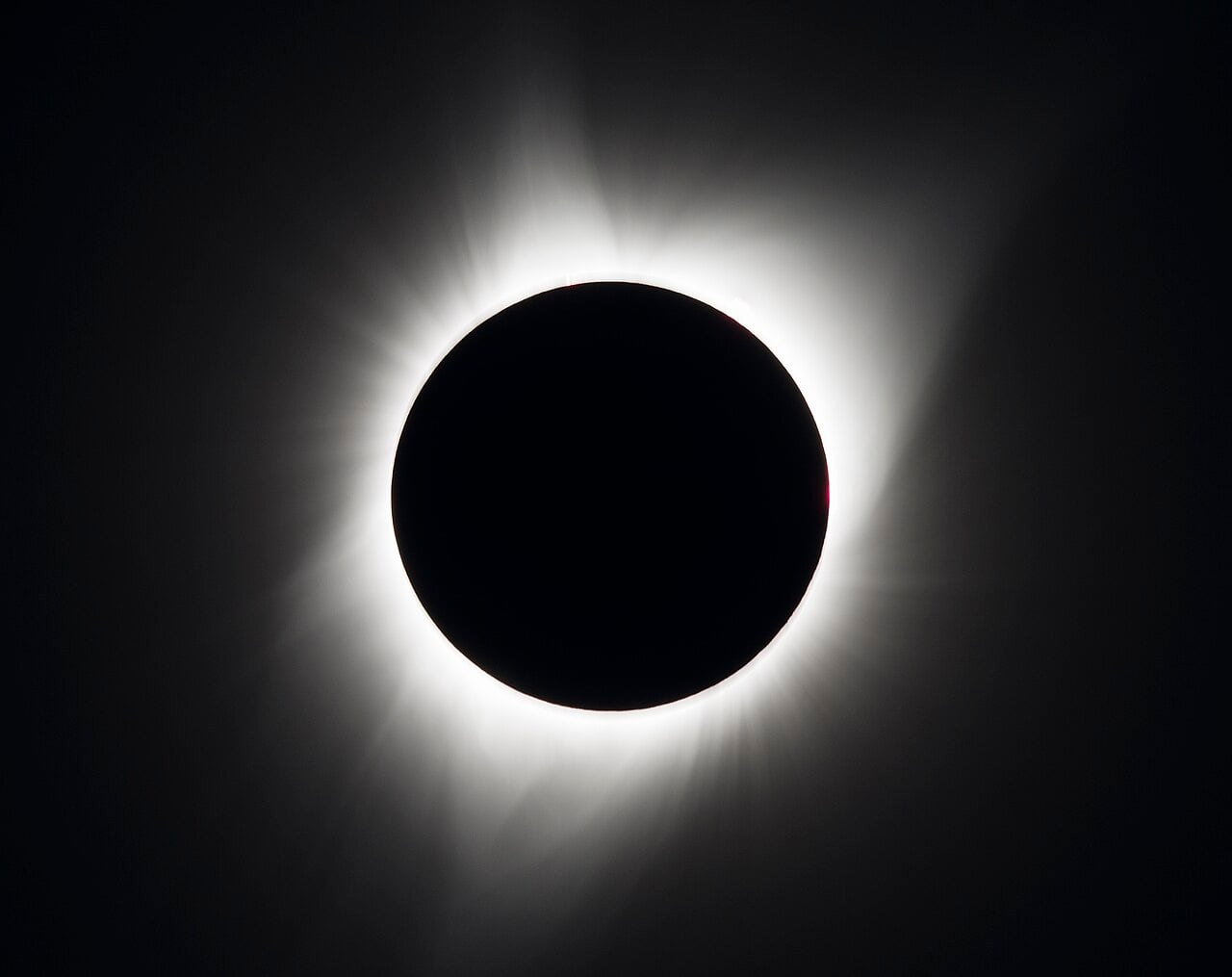
Switch off fusion and, for ten thousand years, nothing happens. Then the Sun begins a slow, strange death: shrinking, briefly brightening, and coasting on gravitational heat for tens of millions of years. And the neutrinos give the whole thing away in just eight minutes.
Continue reading
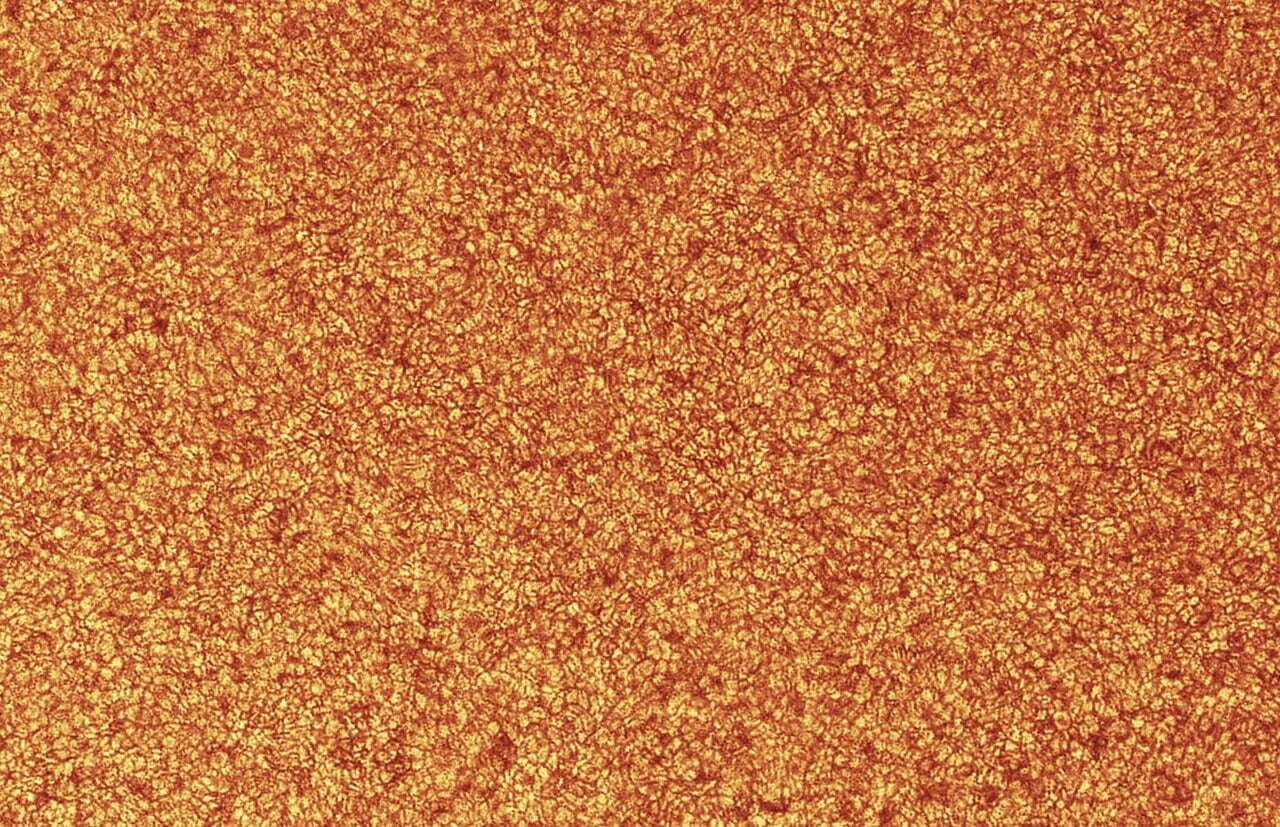
A photon born in the Sun's core takes around 100,000 years to fight its way to the surface, bouncing through a random walk so inefficient that the light on your face is older than human civilization. Why the Sun's surface is a hundred-millennia-delayed broadcast.
Continue reading
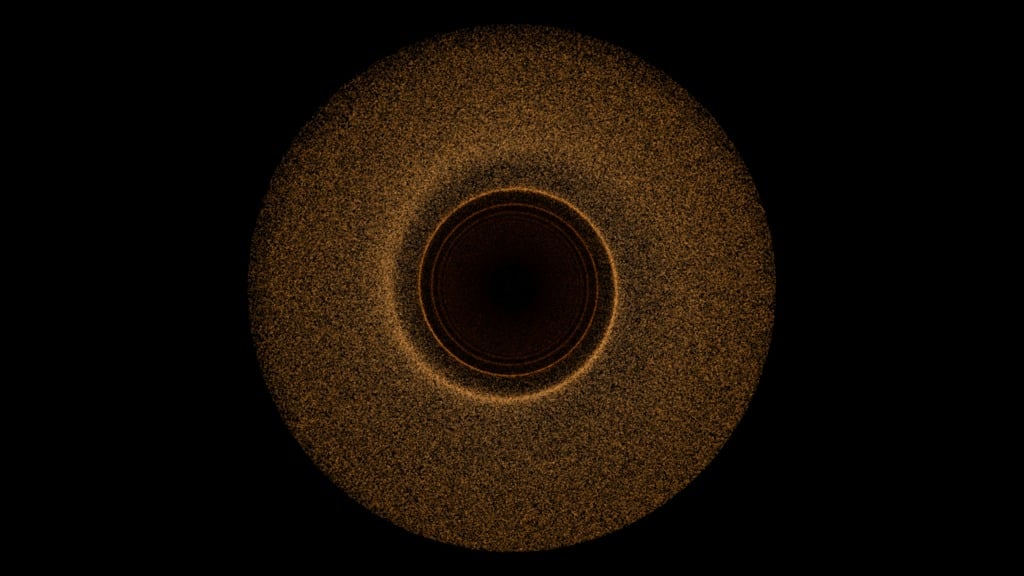
We’re still in the definition phase of the Habitable Worlds Observatory (HWO), but it seems like every week a new research group comes out with a paper helping to contribute to what is shaping up to be one of the most important space telescopes of the 2040s. A new paper from a team of researchers led by Daniel Jaffe of the University of Texas at Austin contributes to this ongoing definition work by arguing that it’s time HWO adopted a high-resolution near-IR spectroscopy capability, - which sounds great in practice, but so far hasn’t been attempted due to technological limitations. But, according to the paper, two recent inventions finally make a working version of an extremely high resolution exoplanet hunter viable.
Continue reading
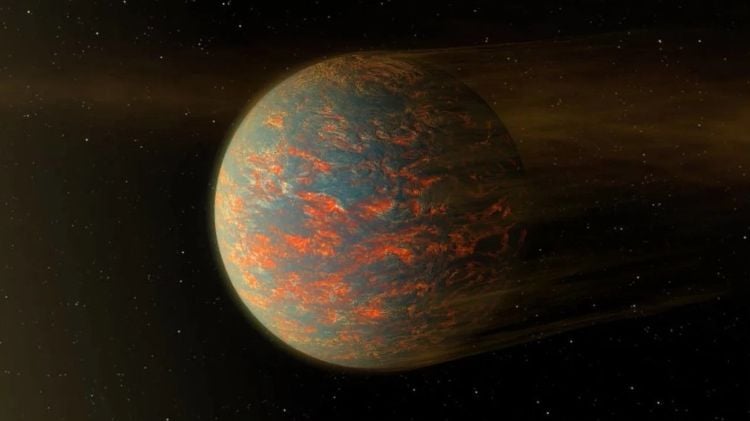
It’s 2158, and you’re chugging away on your PhD in Planetary Volcanology from the University of Utopia Planitia on Mars. Graduate students still get paid a sub-living wage, so you’ve been stuck eating freeze-dried ramen for the past three years. You’ve completed studying Jupiter’s moon, Io, but now you have to leave the solar system for a good exoplanet analog. While Io’s volcanism is caused by tidal heating, you need an exoplanet whose volcanism is caused by extreme heat from its host star. You recently secured funding from the Exoplanet Research Institute for a faster-than-light (FTL) ship, but the exoplanet is required to be less than 50 light-years away.
Continue reading
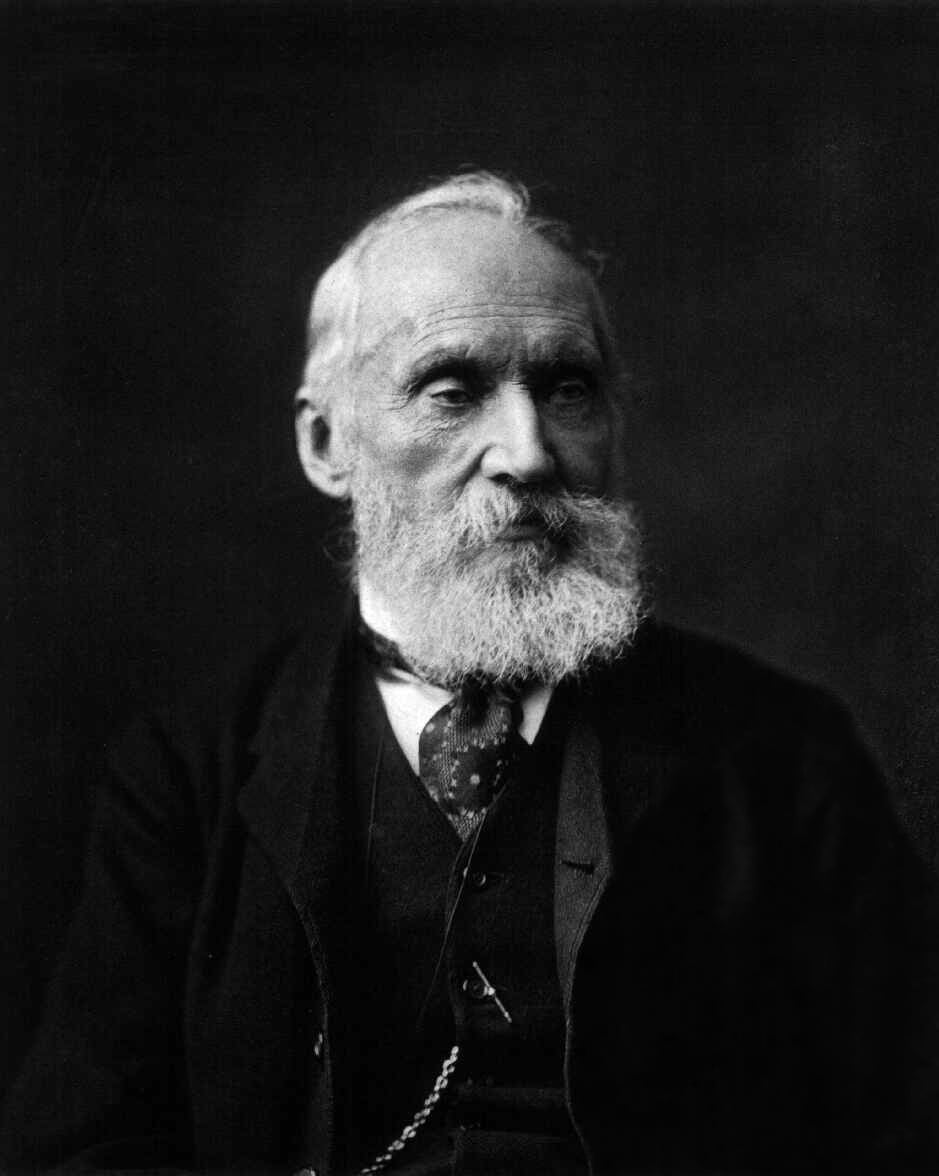
How can the Sun keep shining with its furnace switched off? Two nineteenth-century aristocrats, Helmholtz and Lord Kelvin, worked out the answer mostly by accident. It comes down to stored heat, gravitational shrinking, and the strange self-regulating thermostat of hydrostatic equilibrium.
Continue reading
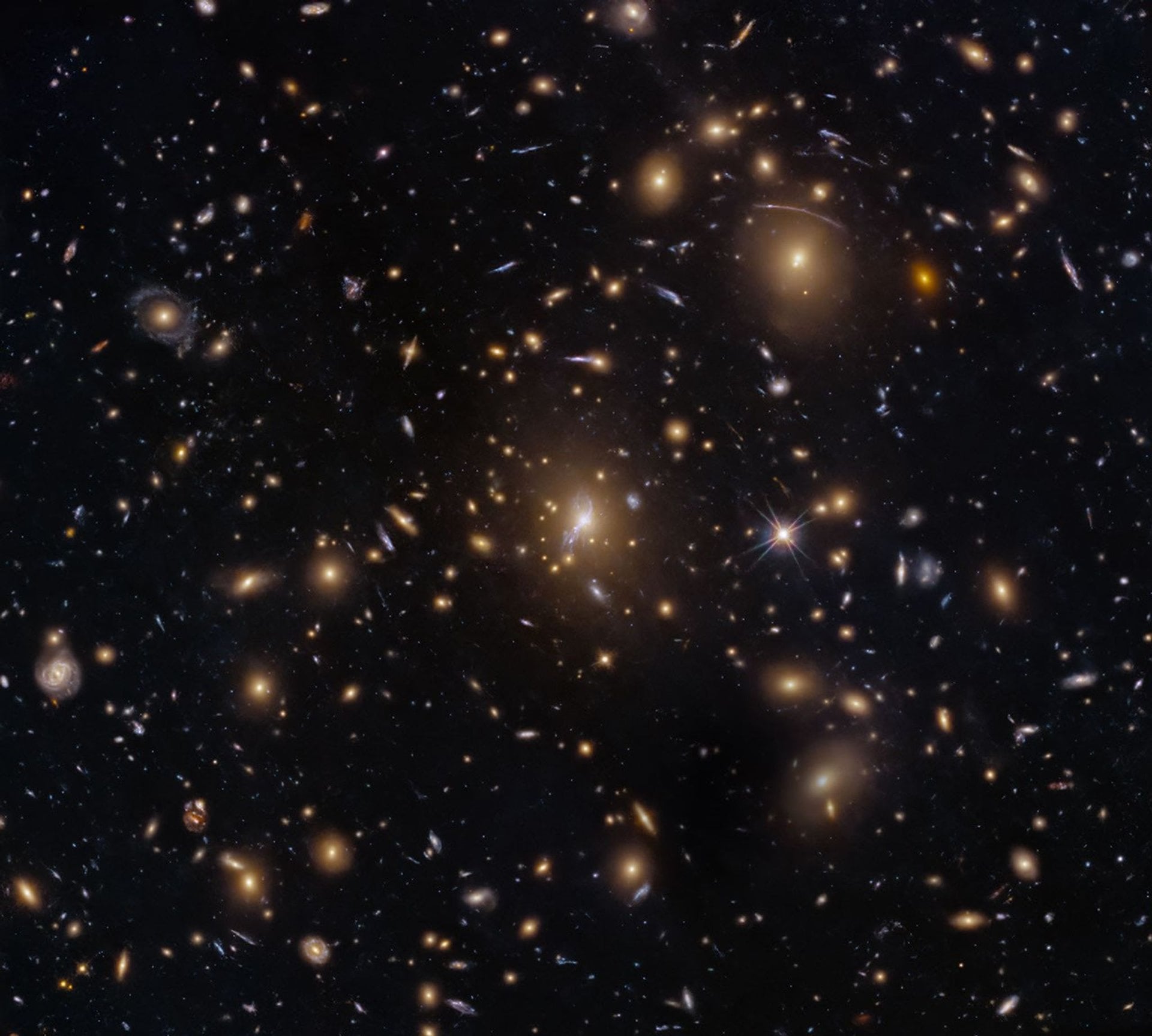
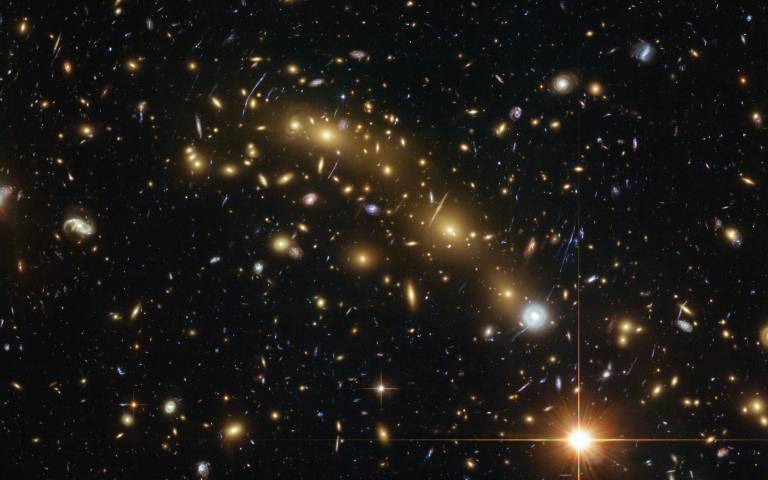
When someone asks me what originally got me interested in space exploration, my answer is always the same - the Hubble Deep Field. That image, taken in 1995, came out when I was in middle school, and had an everlasting impact on my sense of place in the universe. It’s since been improved upon by various other images, and even last week the Hubble team released yet another jaw-dropping image of the galaxy cluster MACS0329-0211 which recaptures some of the magic of that original image, and still provides the same sense of scale that never seems to truly fade once you come to terms with it. While the original Hubble Deep Field was a blind experiment to see what lay in a seemingly empty patch of sky, this new image comes from the targeted Cluster Lensing and Supernova survey with Hubble (CLASH) program, focusing on the dynamics of a specific massive galaxy cluster.
Continue reading
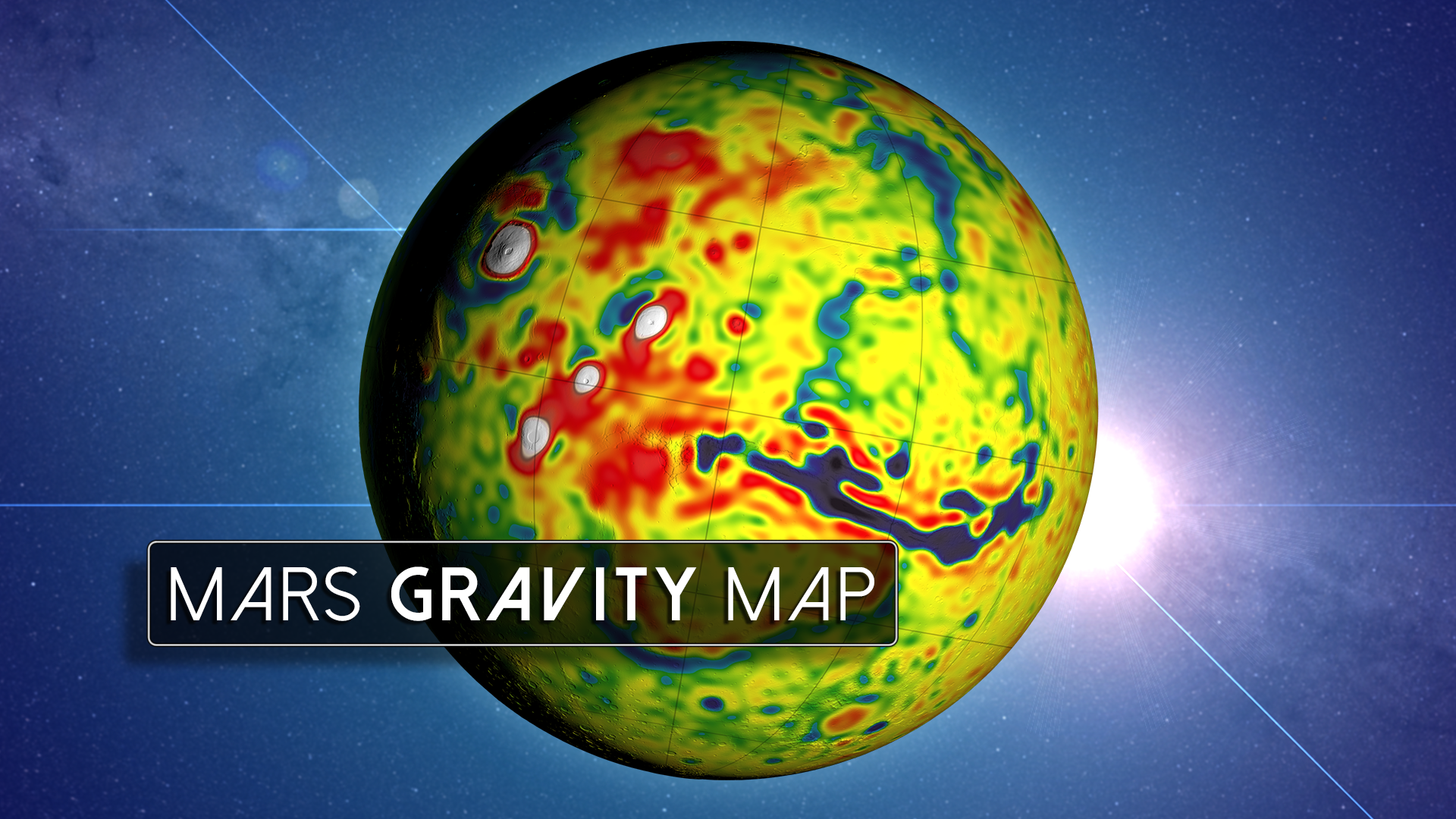
We think of atomic clocks as the definitive timekeepers. They are famous for being accurate down to the picosecond. Unfortunately, they are still subject to general relativity, so if you put them on a different planet, they will track time slightly faster or slower than on Earth, depending on the planet’s gravity. In Mars’ case, an atomic clock on its surface is sitting in a slightly shallower gravity well, meaning that time moves slightly faster there. Therefore, as we begin to expand our technological footprint on the Red Planet, we will need a way to standardize how time is measured there. Dr. Slava Turyshev, a researcher at NASA’s Jet Propulsion Laboratory, proposes just such a framework in a new paper available in pre-print on arXiv.
Continue reading
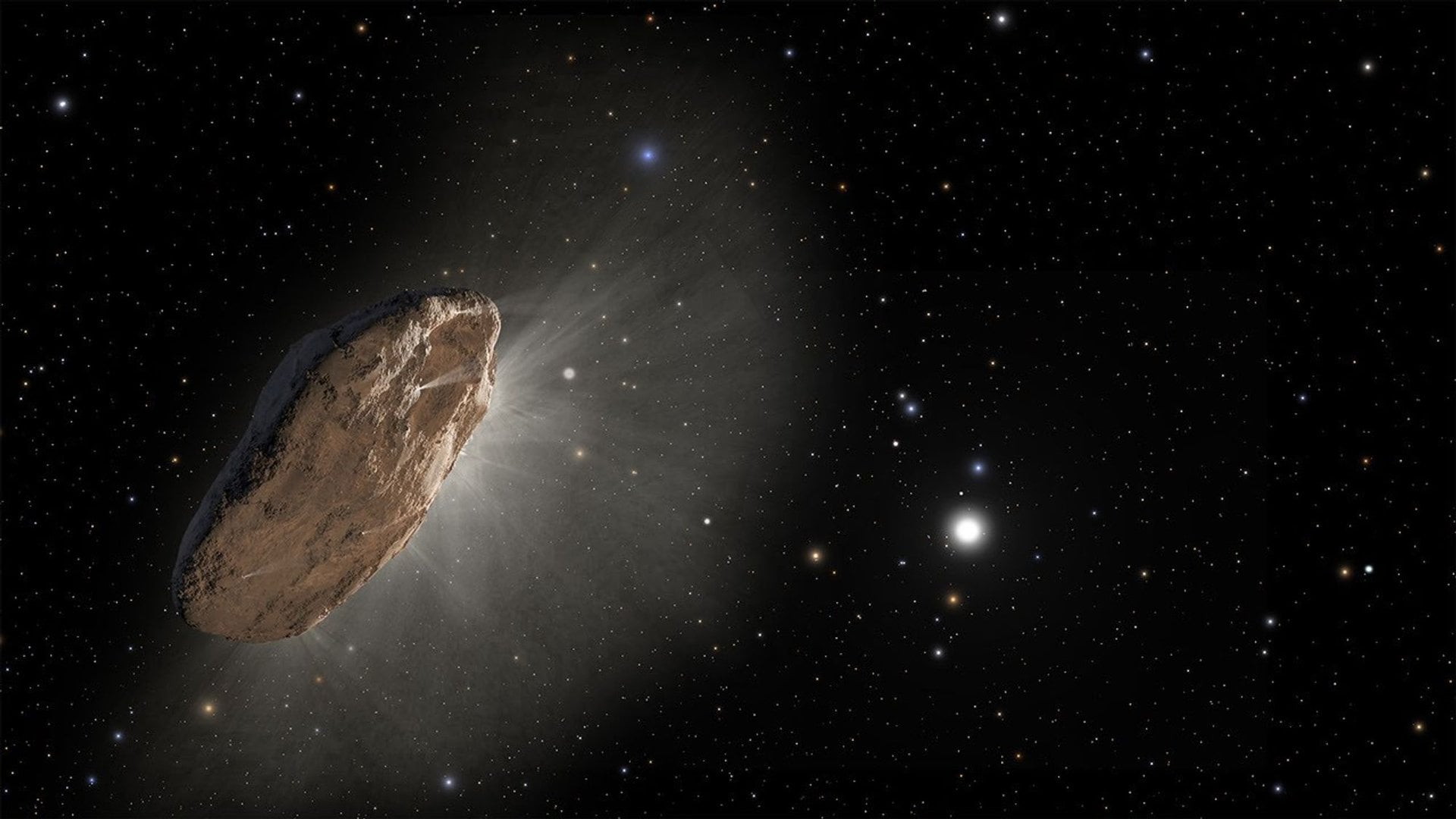
Even at this early stage in our space faring age, humanity has already begun sending probes that will eventually reach other solar systems, even if that was not their original intention. Five robotic explorers - Pioneer 10 and 11, Voyager 1 and 2, and New Horizons - are all on escape velocities out of the solar system, and might someday enter another one. They will no longer be operational at that point, but they serve as a proof of concept that spacefaring civilizations do indeed build interstellar probes. Which raises the obvious question - has anyone else sent their own robotic explorers to ours? In a recent paper, published in the Proceedings of the IAU Centenary Symposium, astronomer T. Joseph W. Lazio, points out a painful truth - we still have no idea, and our technology will need to get much better if we plan to find out.
Continue reading
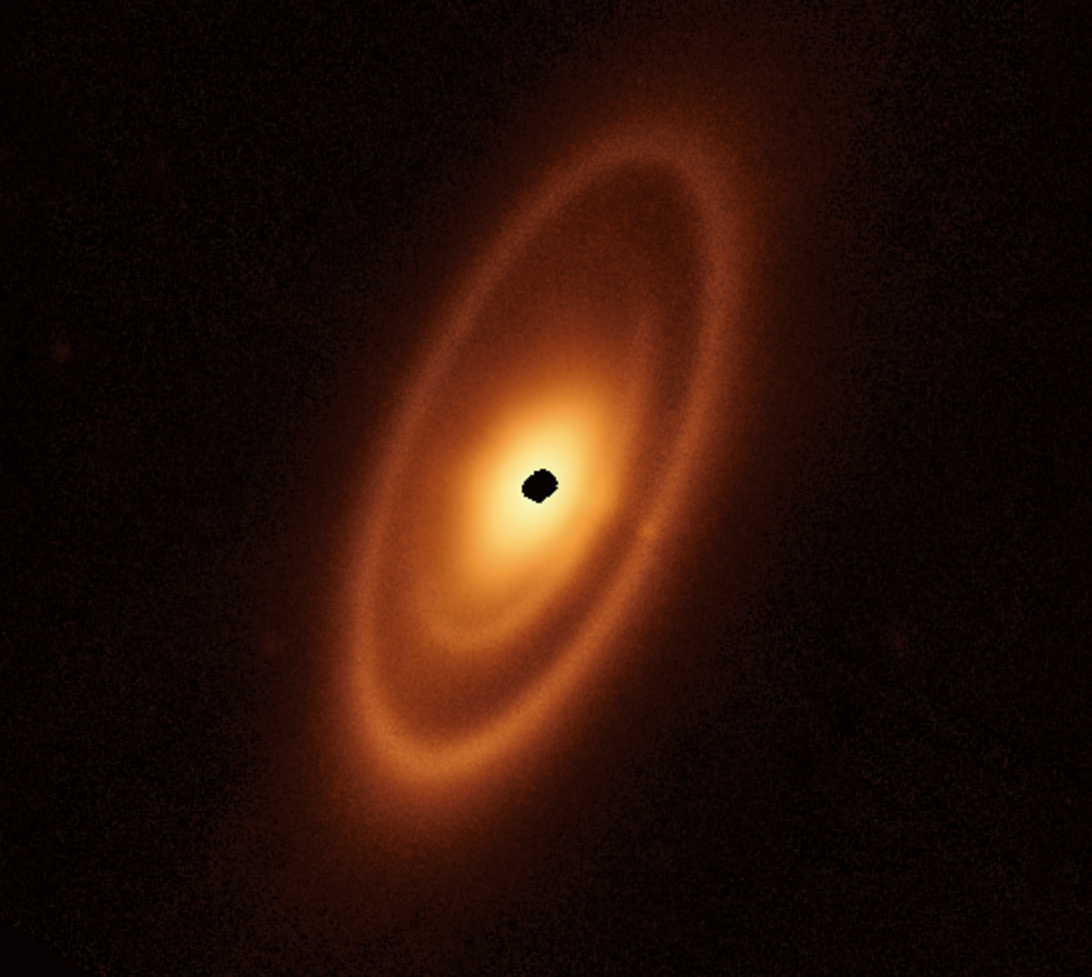
Our search for technosignatures - clear signs of advanced civilizations beyond Earth - takes many forms. Many are driven by the famous Drake equation, which attempts to estimate how many technological civilizations there are in the Milky Way. However, there’s a big fat question mark at the end of that equation in the form of a variable intended to account for the “longevity” of a civilization. And to be clear, that doesn’t mean how long the civilization itself survives. It simply means how long it actively creates a signature that is detectable by our current technology. A new paper, available in pre-print on arXiv from Oxford astrophysicist Brian C. Lacki, argues that, since the chances of us overlapping in time with any such civilization are miniscule, we’re much more likely to find the ruins of a “dead” civilization - and, surprisingly, the best place to do so might be in our own solar system.
Continue reading
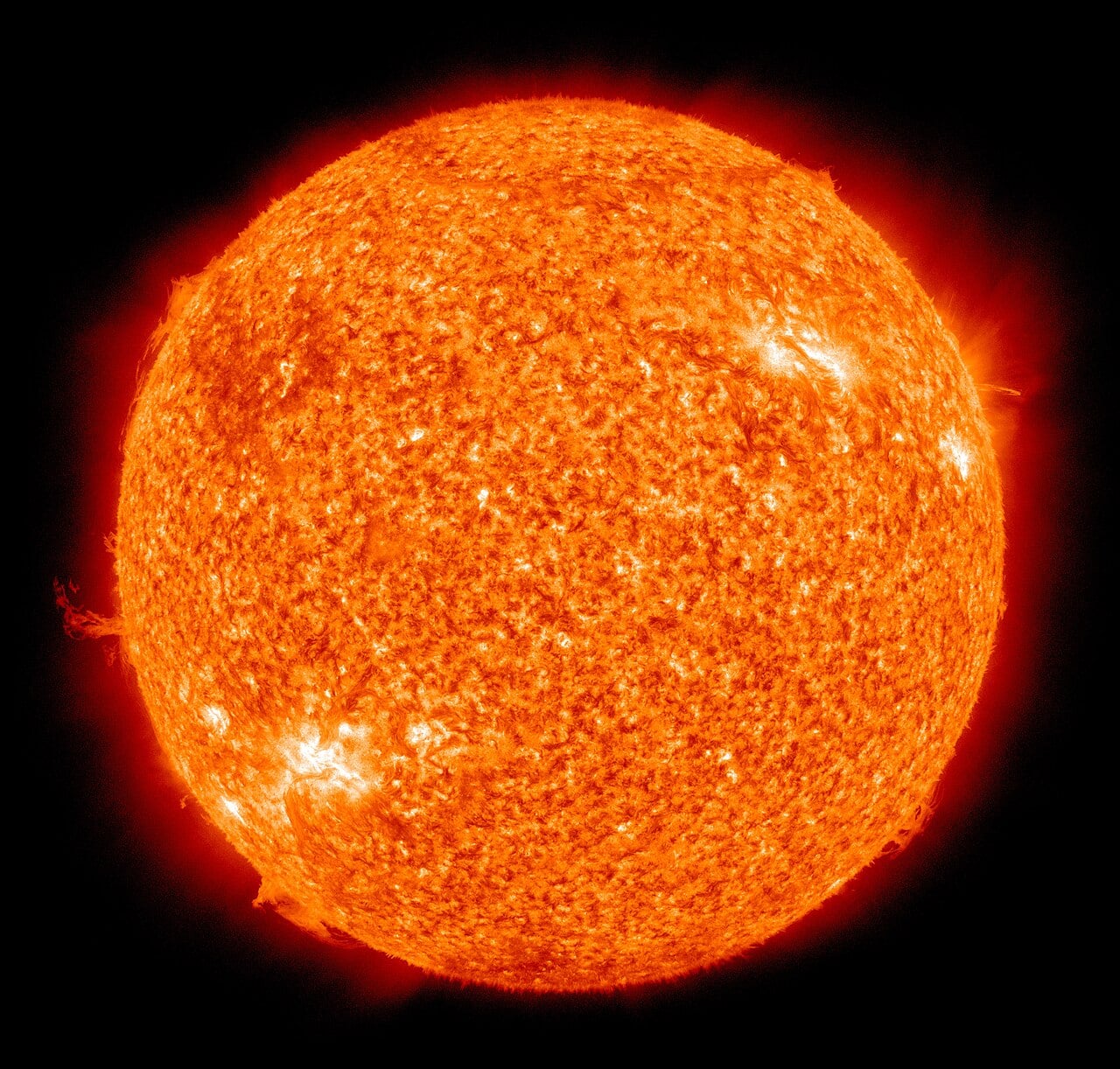
If the Sun's fusion shut off right now, you would not notice for a very long time. The first stop is understanding the Sun itself: a vast pile of gravitating matter where fusion is so absurdly inefficient that, pound for pound, a compost heap beats it.
Continue reading
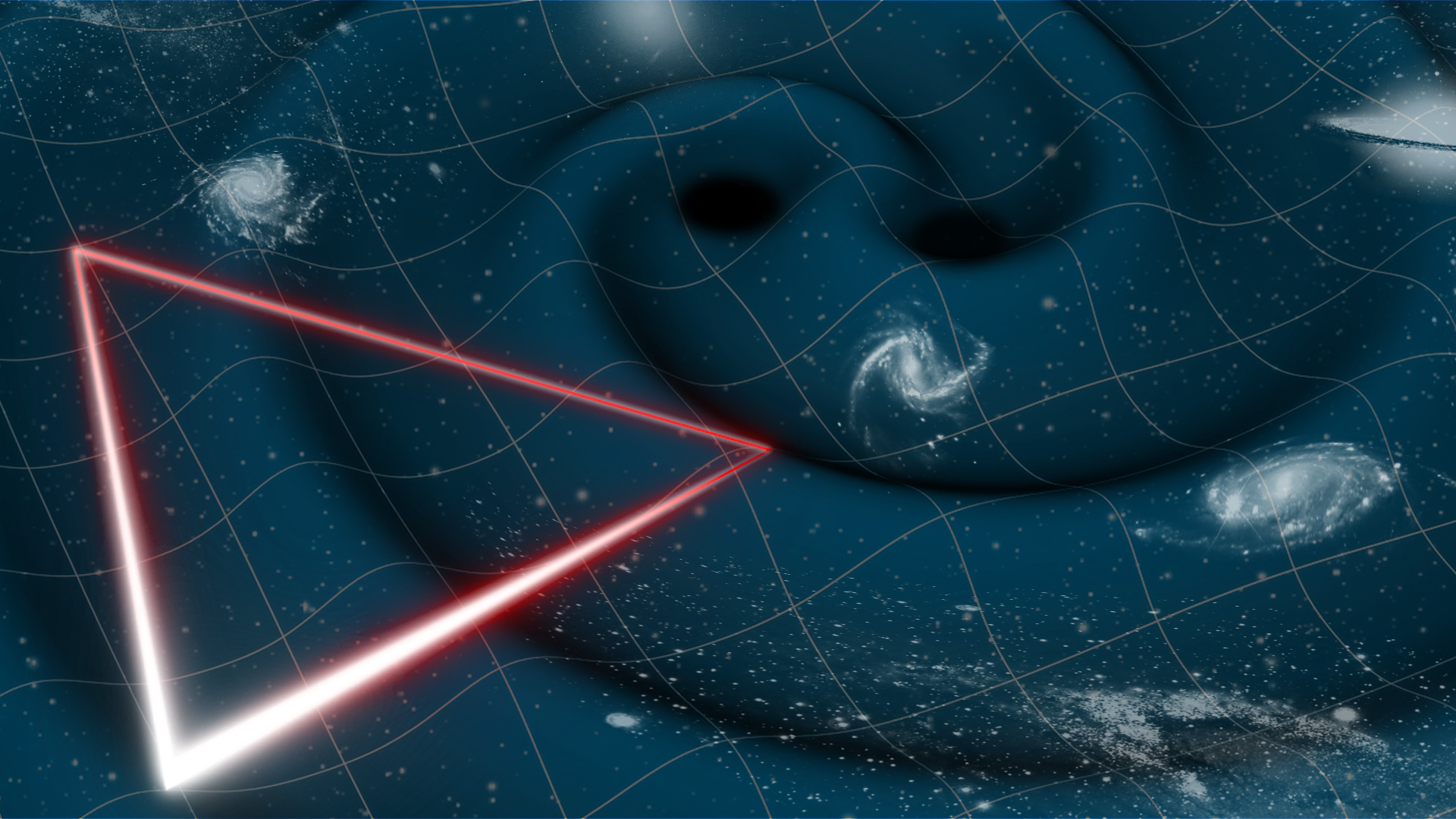
One of the hardest things to calculate for an asteroid is its mass - but it is such a critical feature. It determines how much of an impact it would have if it hits something, or how many resources are potentially available on it. But to accurately measure it we typically use optical sensing and a guesstimate of its density based on its spectral profile. A new paper suggests a completely novel way to use the Laser Interferometer Space Antenna (LISA) flagship mission to potentially provide highly accurate mass calculations for nearby asteroids without any change in hardware.
Continue reading
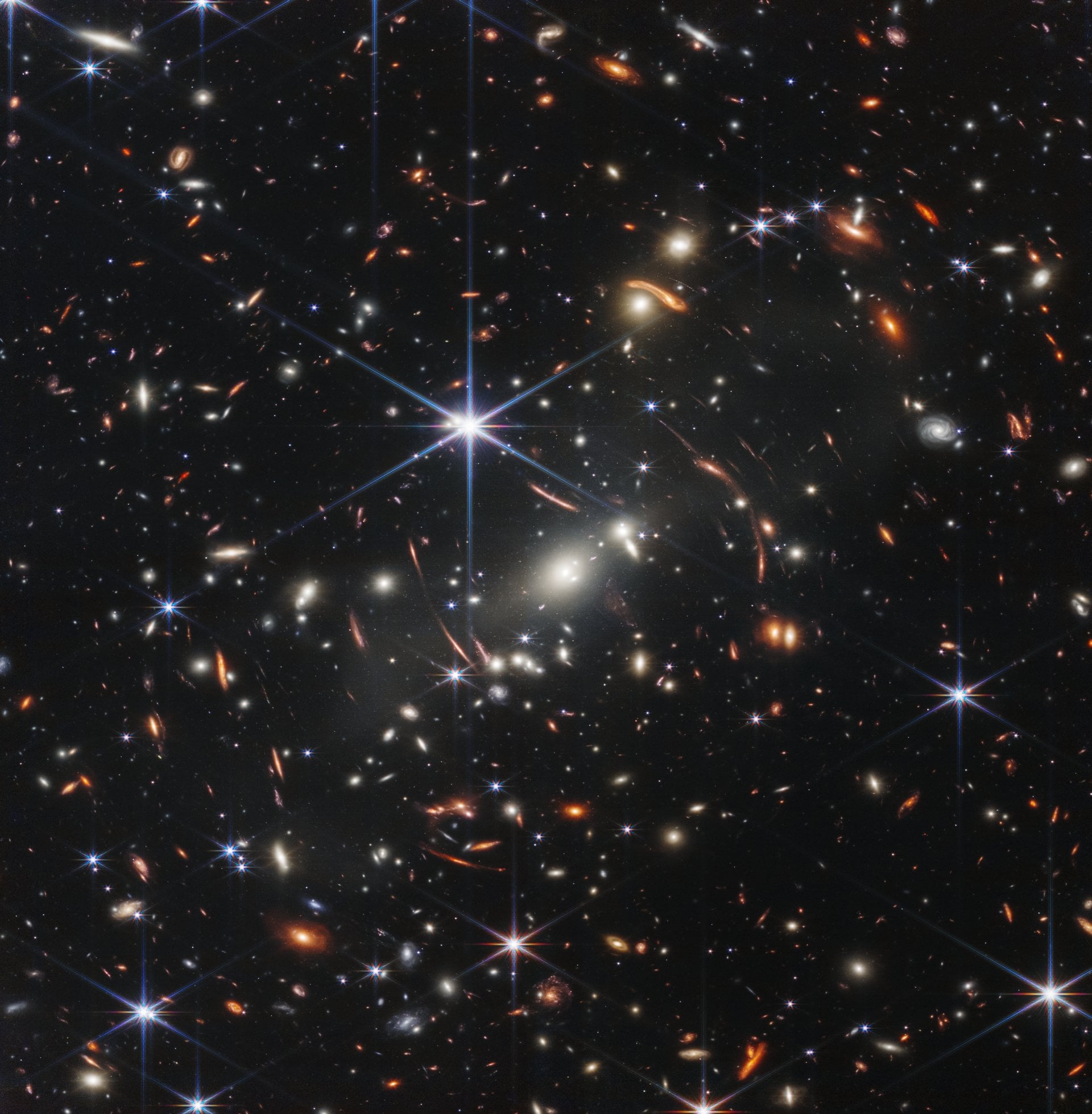
We have spent centuries being knocked off our pedestal. Earth isn't the centre of the Solar System, the Sun isn't the centre of the Galaxy, and we are not the point around which everything else turns. Now two philosophers want to take the demotion one step further and apply it to the thing we hold most precious of all, our own conscious minds. If they're right, awareness may be far more widespread, and far stranger, than we ever dared imagine.
Continue reading
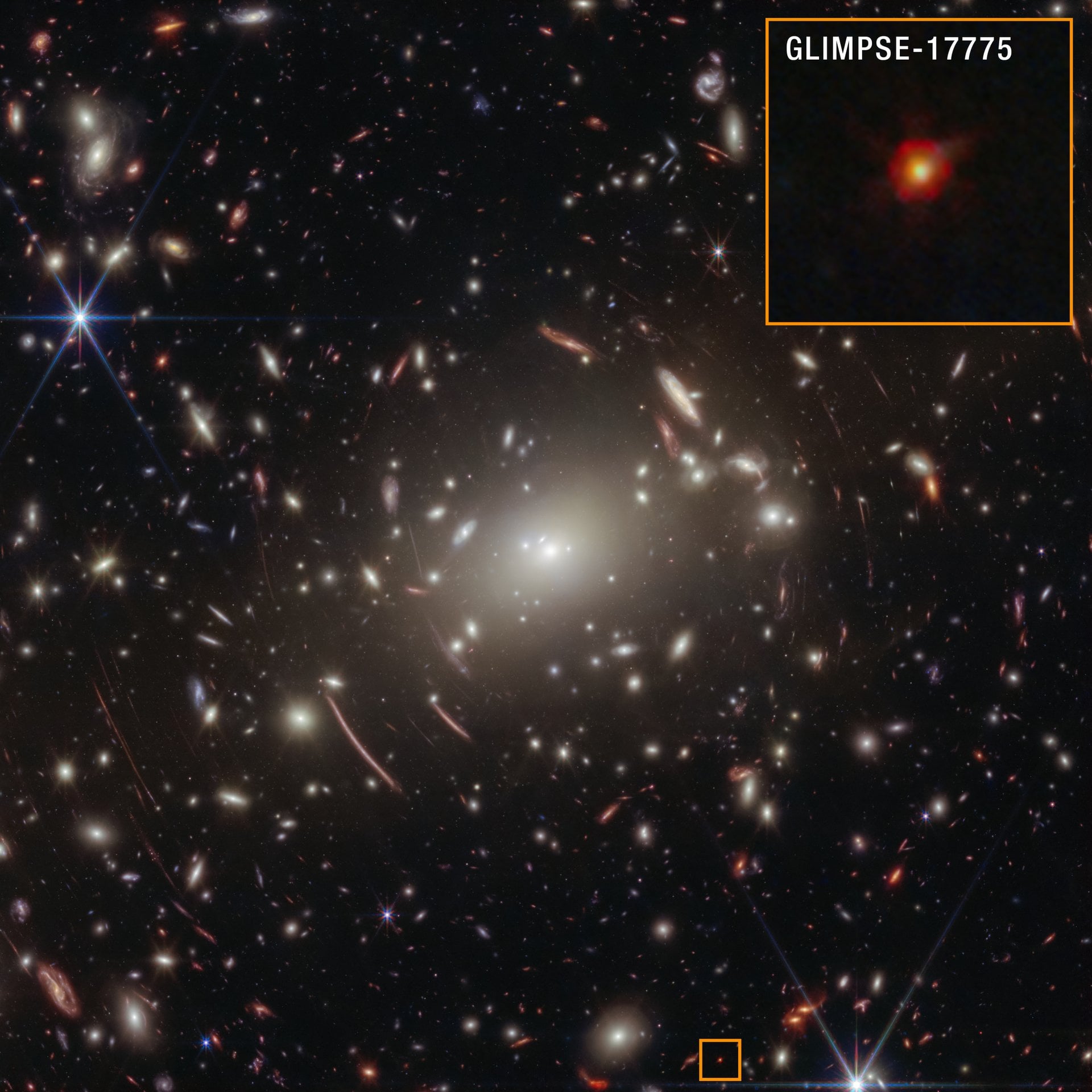
For three years they've been one of the strangest puzzles in astronomy. Tiny, mysterious red dots scattered across the early universe, so abundant and so bright that some researchers wondered if they had "broken" cosmology itself. Now the James Webb Space Telescope has captured the most detailed look yet at one of them, and the answer it reveals is as exotic as the name suggests: a star sized object that is, in fact, a black hole wearing a disguise.
Continue reading
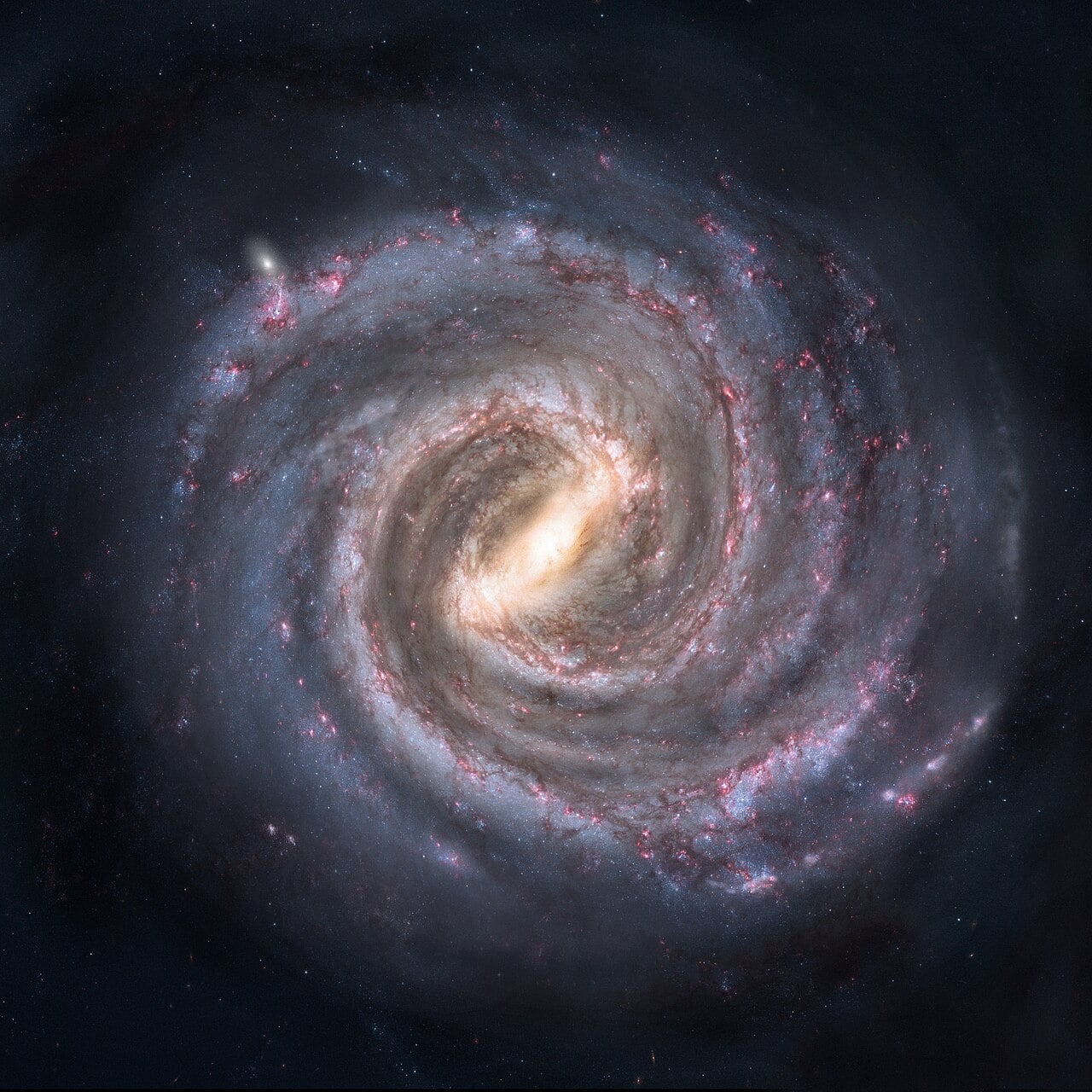
We are used to thinking of gravitational waves as messengers from catastrophes in space, the ringing of spacetime after black holes collide for example. But our own Galaxy hums with a fainter, steadier signal, a chorus of millions of unseen binary stars. A new study has found that this hum carries a hidden fingerprint of the Milky Way's spin, and that if a future space mission ignores it, our picture of the Galaxy itself could come out subtly wrong.
Continue reading
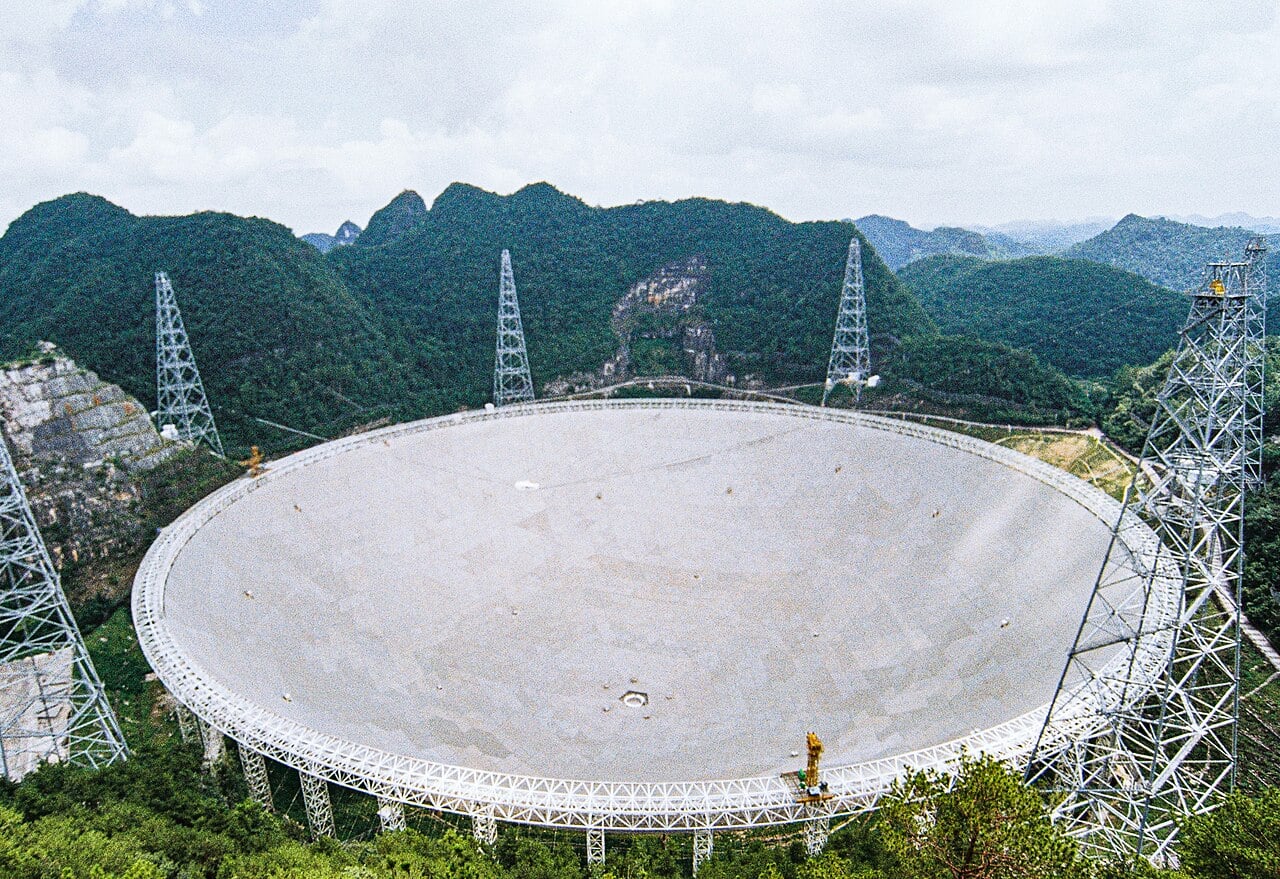
Somewhere in the plane of the Milky Way, a dead star is spinning 220 times a second, and it's circling its companion in almost the most perfect orbit astronomers have ever measured. China's giant FAST radio telescope has just found it, and the shape of that orbit is a near flawless record of a billion year relationship between two stars.
Continue reading
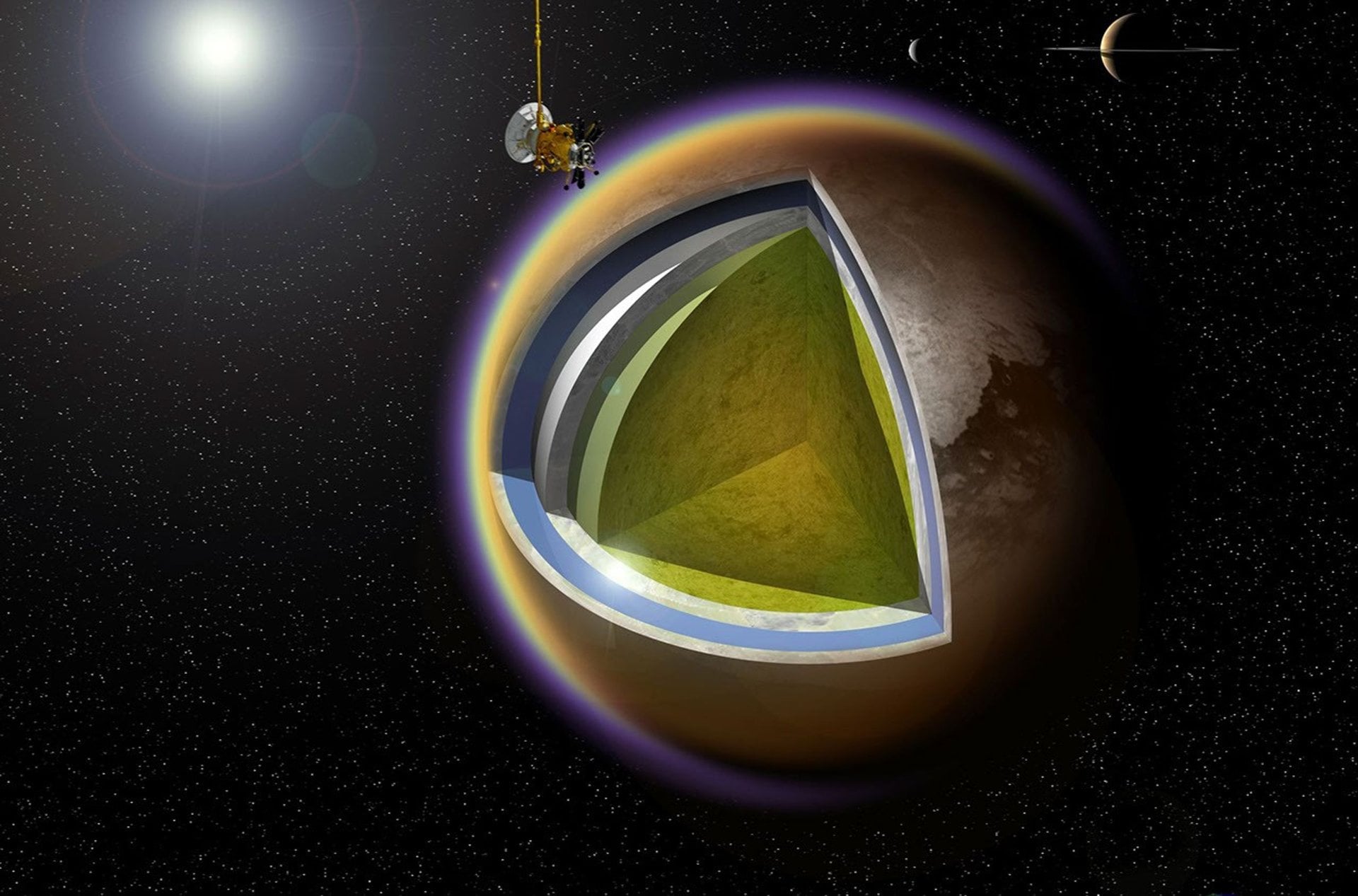
In a recent NASA-supported study, researchers assessed Titan's resource base and how it could be leveraged for ISRU. Compared with other locations under study (the Moon, Mars, etc.), they concluded that there is unrivaled potential for human exploration and settlement.
Continue reading
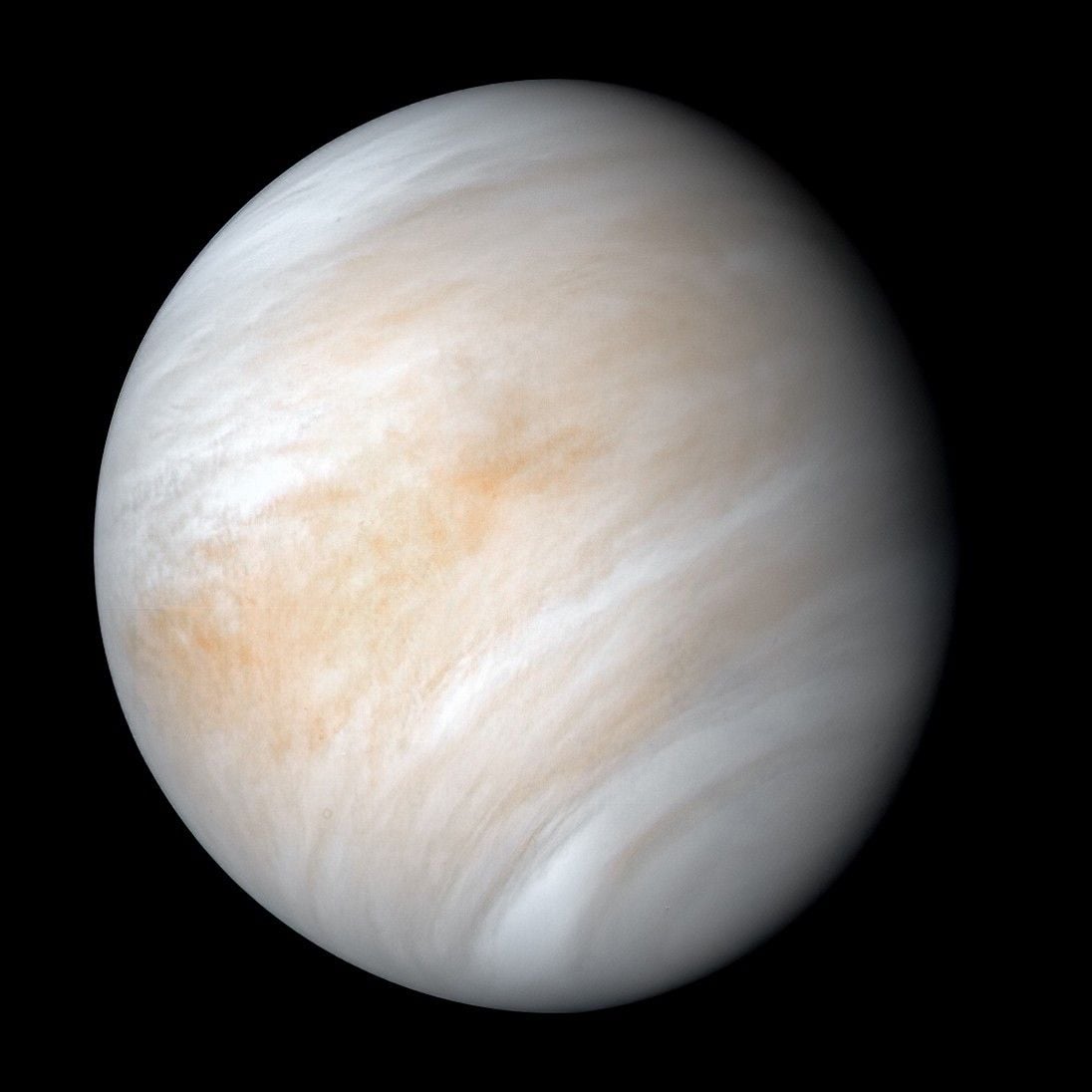
Venus’ extraordinarily slow retrograde rotation was likely caused by a chance encounter with a moon-sized impactor. One that some 4.5 billion years ago likely slammed into our sister planet at a high angle and high velocity.
Continue reading
It’s 2134, and humanity has finally embraced green technologies while ridding the Earth of harmful fossil-burning technologies, most notably gasoline, wood, coal, and oil. As a result, soot has been rendered obsolete, and all commercial products from soot, including shoes, wires, computer products, and eye products, are now produced from eco-friendly technologies. However, the uber-rich who still fancy non-eco-friendly products are willing to pay soot’s weight in gold for it. Therefore, the Exoplanet Research Corporation outfits its best ship to search for soot-enriched exoplanet atmospheres.
Continue reading
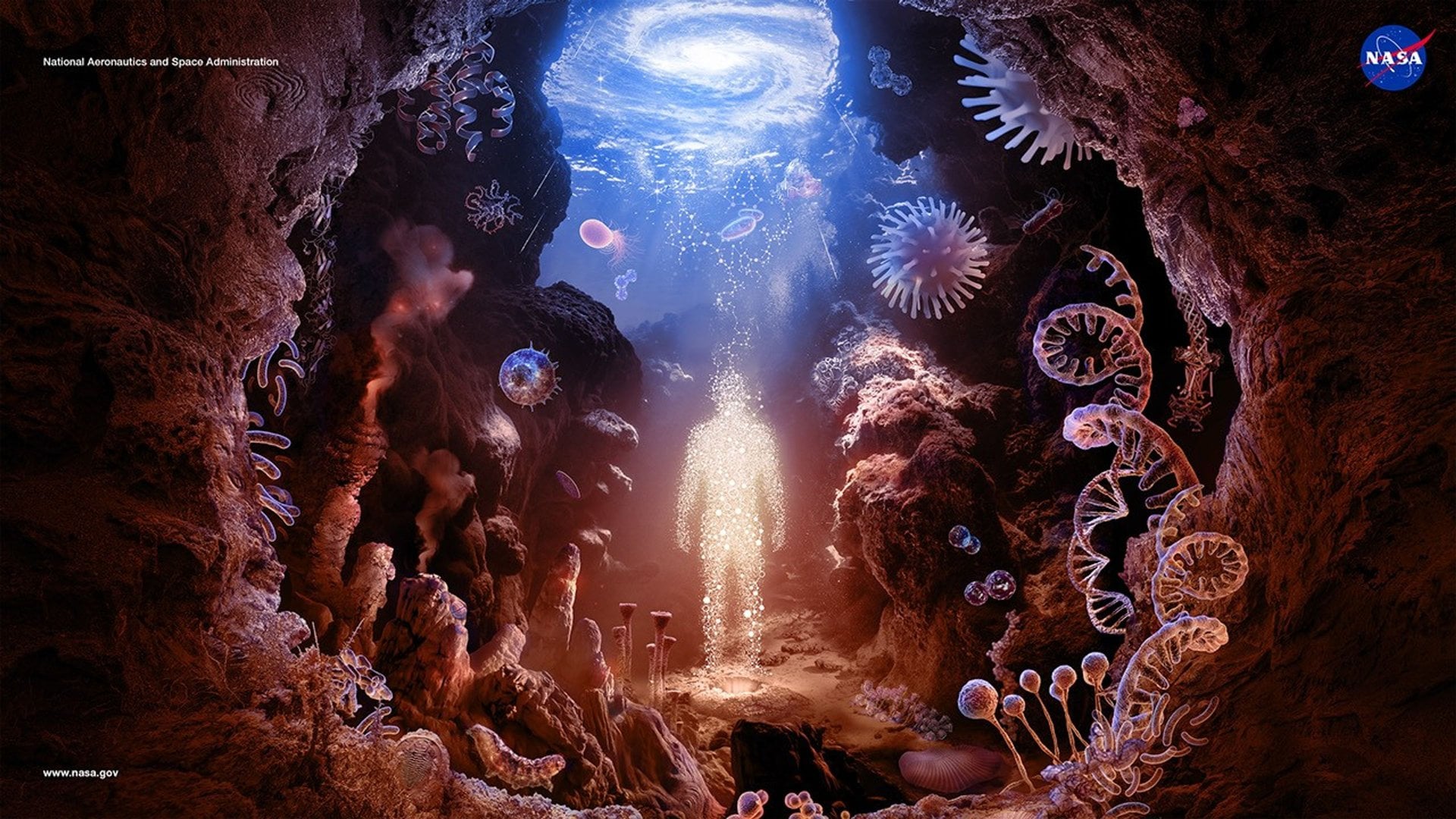
NASA-supported scientists have provided new information about how the early Earth may have acquired some elements necessary for the planet to become habitable. They also suggest a new role for Jupiter in the distribution of these elements throughout the young solar system. The study, published in Science Advances, examines this history by looking at the ratio of phosphorus to nitrogen in iron meteorites and in younger objects known as chondrites.
Continue reading
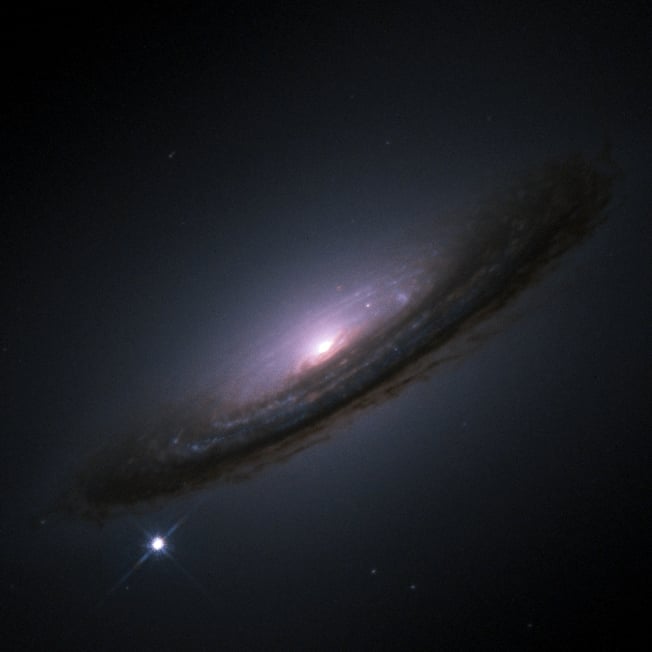
Last year, a study sent a quiet tremor through the field of cosmology. A team of researchers claimed that the universe's expansion might be slowing down, not speeding up, suggesting that dark energy, the mysterious force thought to be driving the cosmos apart, could be weakening. If true, it would have shaken the foundations of our understanding of the universe. Now, a new study including two Nobel laureates has looked carefully at the evidence and reached a clear verdict - crisis averted.
Continue reading
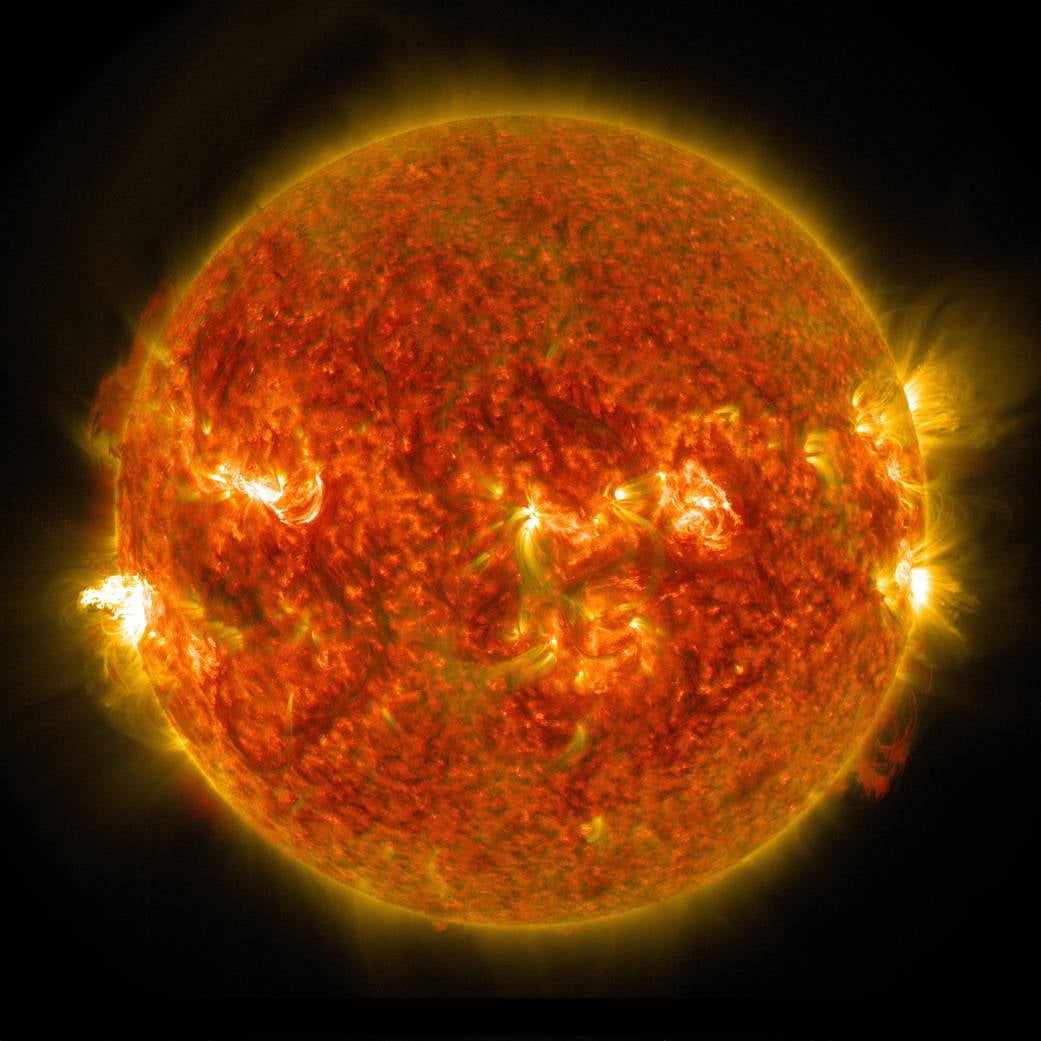
Every so often, the Sun hurls billions of tonnes of charged particles toward Earth in what are called coronal mass ejections and if a big one hits at the wrong moment, the consequences for satellites, power grids, and communications systems could be catastrophic. Our best defence is to predict them before they happen, and that means watching the Sun's magnetic fields constantly and precisely. Now, a component smaller than a shirt button could transform how we do exactly that.
Continue reading
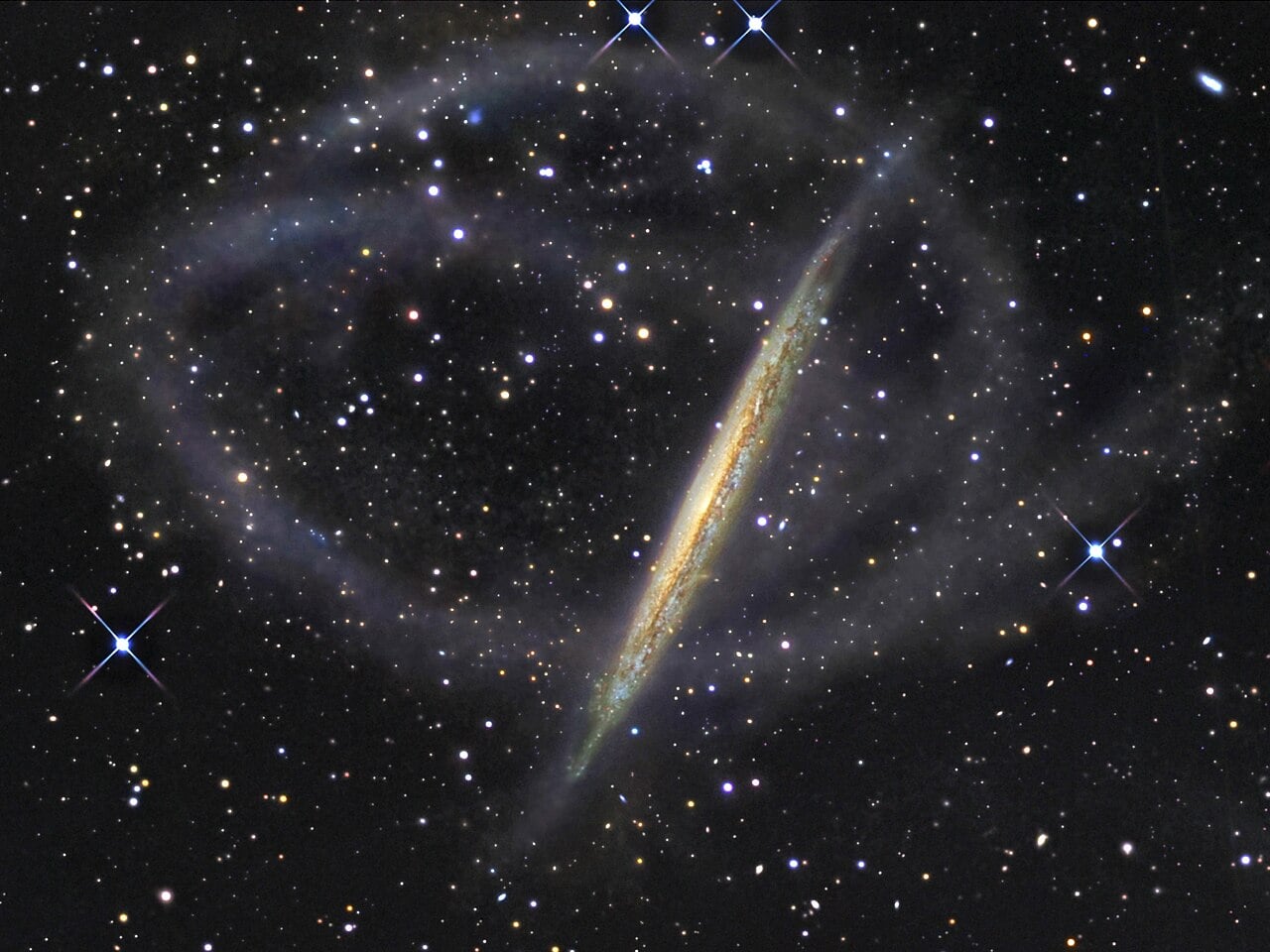
Every galaxy you've ever seen in a photograph is hiding something. Beyond the glowing disc of stars and gas that the camera captures lies a vast, ghostly outer region called a halo, too faint to see easily but packed with clues about how that galaxy came to be. ESA has just formally committed to a mission designed to reveal those hidden haloes in unprecedented detail, and in doing so, finally answer one of the most fundamental questions in astronomy: how did galaxies like our own Milky Way form?
Continue reading
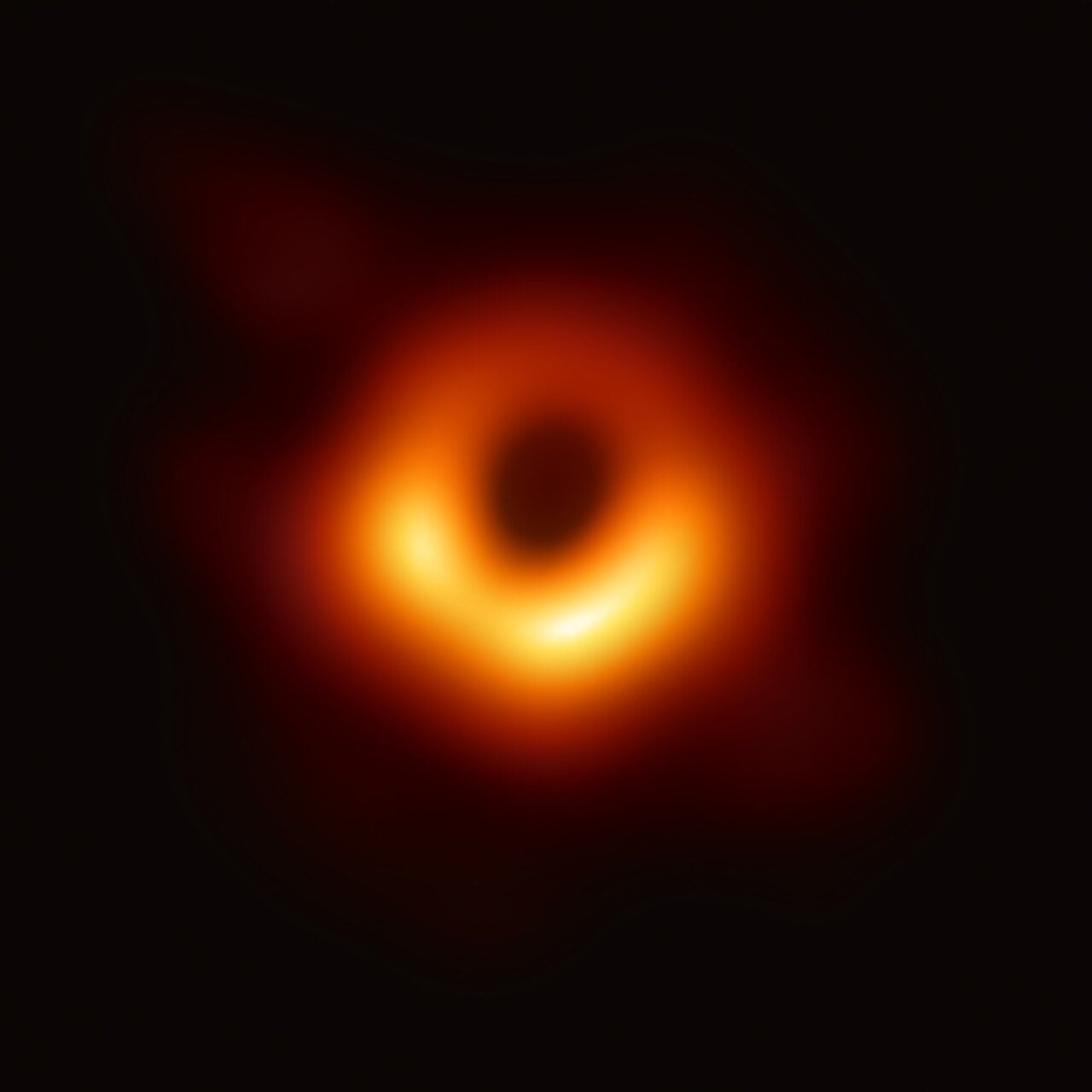
Black holes are already strange enough, regions of space where gravity is so extreme that not even light can escape. But physicists have long known there's another layer of weirdness, that black holes also behave like thermodynamic objects, with temperature, entropy, and phase transitions just like a gas or a liquid. Now, a new approach borrowed from pure mathematics is revealing hidden patterns in that behaviour and hinting at something fundamental about the nature of black holes themselves.
Continue reading
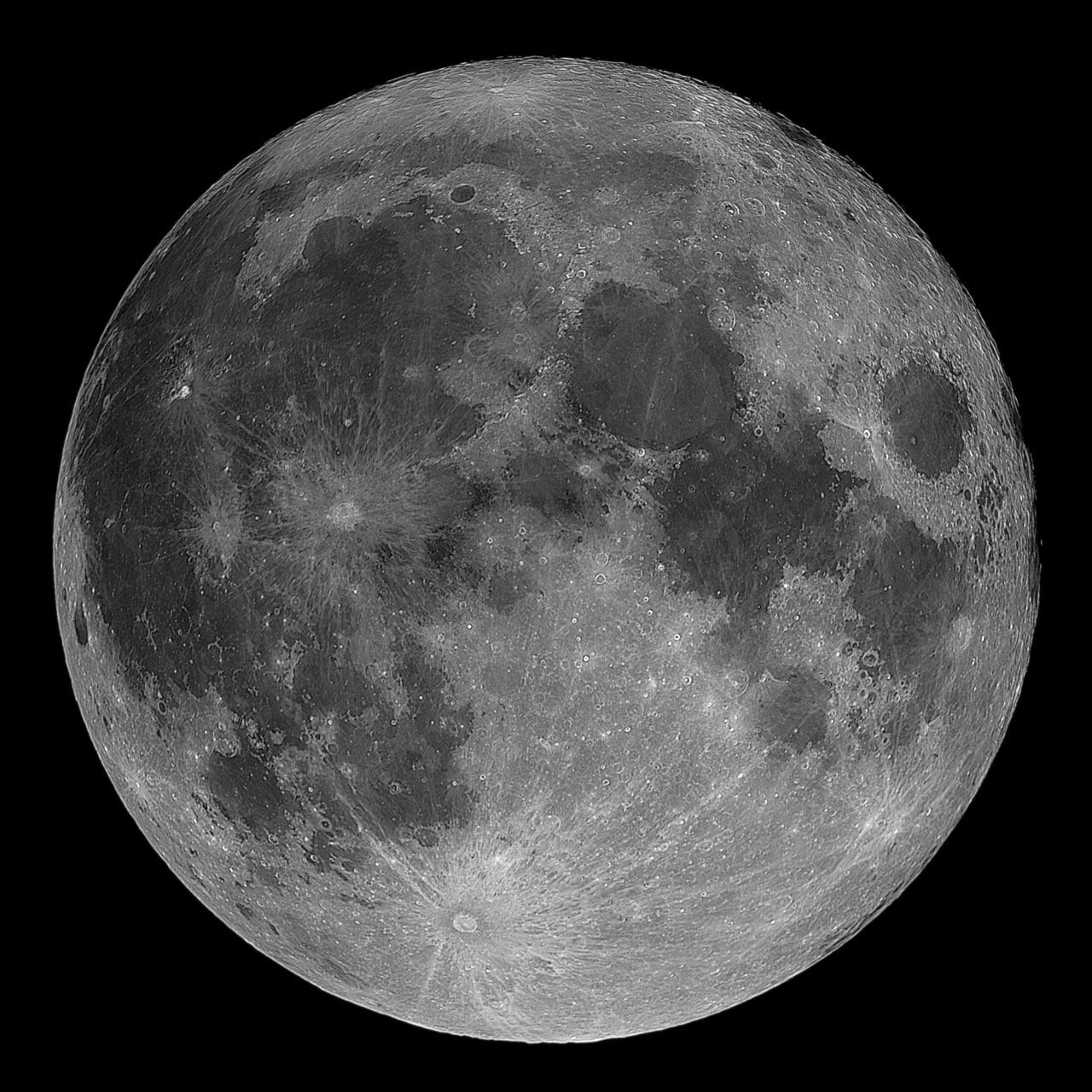
A small rock found in the African desert has just handed scientists an extraordinary window into one of the most violent and consequential periods in the history of the Solar System. Inside this lunar meteorite, a chunk of the Moon knocked to Earth by an ancient collision, researchers have found evidence of a massive impact event 3.5 billion years ago, one that matches the timing of known impacts on Earth and in the asteroid belt. Three worlds but one shared bombardment and a story that may have everything to do with the origins of life.
Continue reading
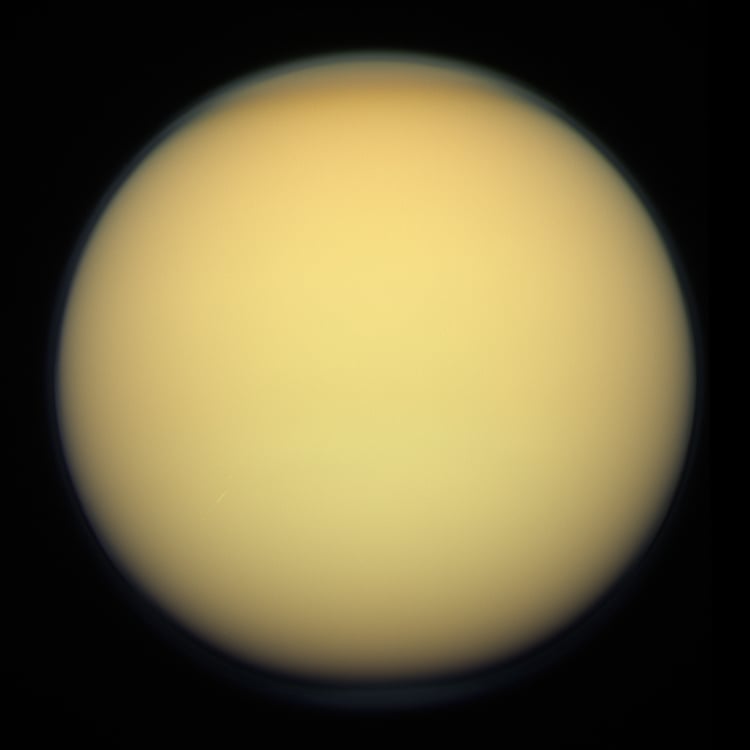
Saturn's moon Titan has long fascinated scientists, it’s a world with rivers, lakes, and a thick atmosphere, all made not of water but of methane. Now, a new study suggests Titan is stranger than first imagined since beneath its surface lies a 9 km thick crust of methane laced ice that acts like a giant thermal blanket, warming the interior in ways nobody expected.
Continue reading
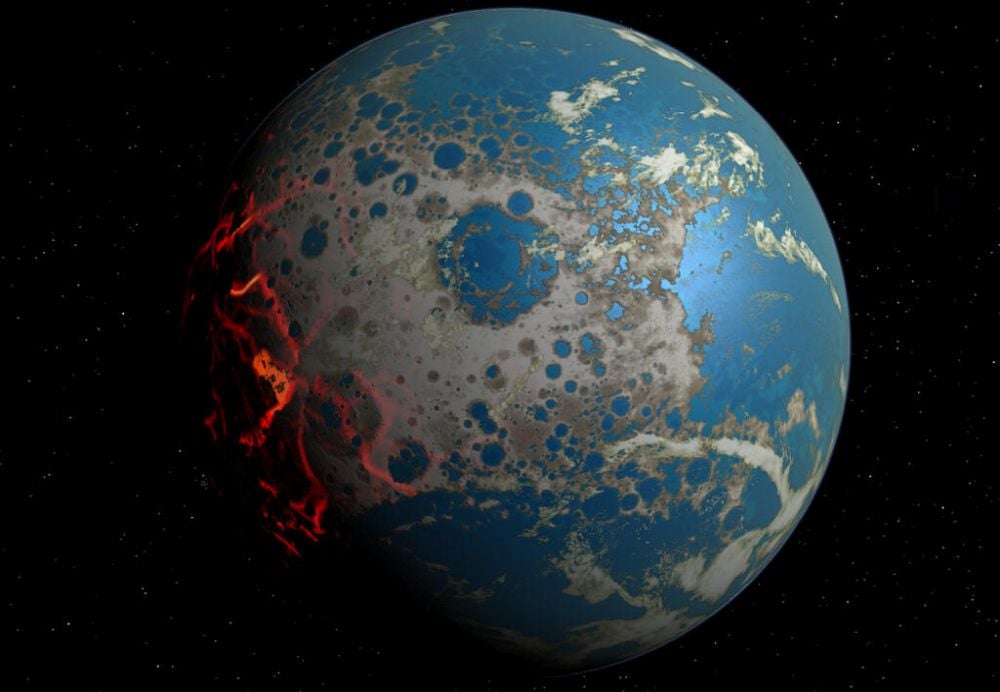
Earth was bombarded by impactors in its first couple billion years. These impacts created a vast network of hydrothermal systems in the crust that could've spawned life. New research examines their extent.
Continue reading
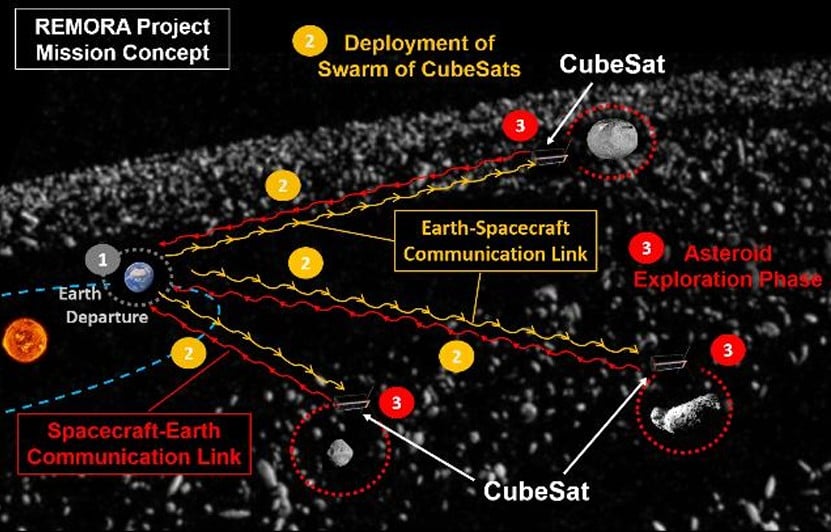
To truly understand what an asteroid is made up of, we need to send a probe to it. Remote sensing from ground-based telescopes, or even orbiting observatories, and only do so much. A new white paper submitted to the UK Space Agency’s 2035 Space Frontiers programme, pitches just such a mission architecture. Called the REndezvous Mission for Orbital Reconstruction of Asteroids (REMORA), the plan calls for a swarm of autonomous CubeSats to tag, track, and characterize multiple near-Earth asteroids.
Continue reading
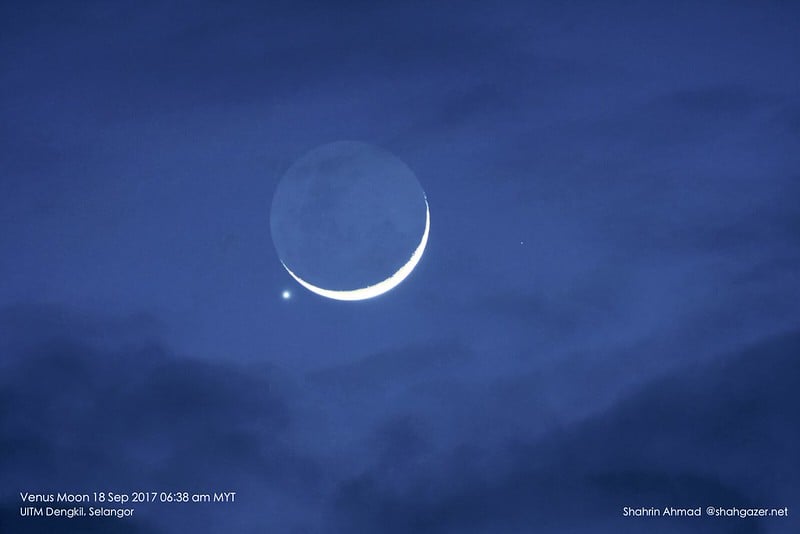
If you’re like us, you’ve been following the close conjunction of Jupiter and Venus in the June dusk sky. Next week, the Moon enters the evening scene, and actually occults (passes in front of) the planet Venus in what promises to be one of the top skywatching events for 2026.
Continue reading
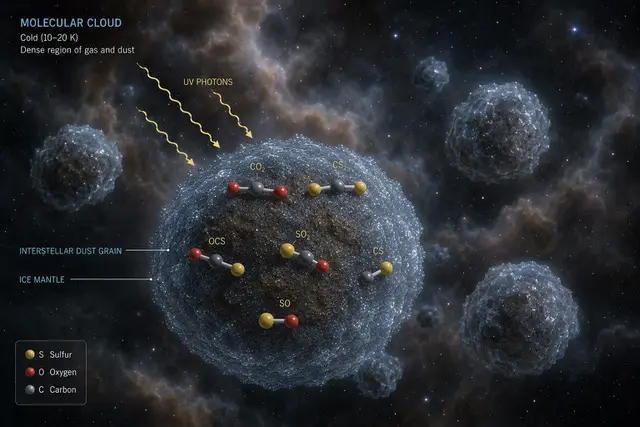
Sulfur is one of the most abundant elements in the universe. If you peer into a diffuse interstellar cloud, you find loads of it - about the amount expected based on fusion patterns of the stars it was born in. However, if you look at a dense, cold, molecular cloud - the kind where those stars actually form - it seems like 99% of the sulfur that is expected to be there is missing. Scientists have puzzled over this “missing sulfur problem” for decades, though a leading theory is that the element hides on icy dust grains making it hard to detect. A new paper published in Astronomy & Astrophysics from the Max Planck Institute for Extraterrestrial Physics and the Centro de Astrobiologia describes a new computer simulation model that they aimed to support the interpretation of laboratory results and test our current understanding of sulfur evolution in interstellar ices.
Continue reading
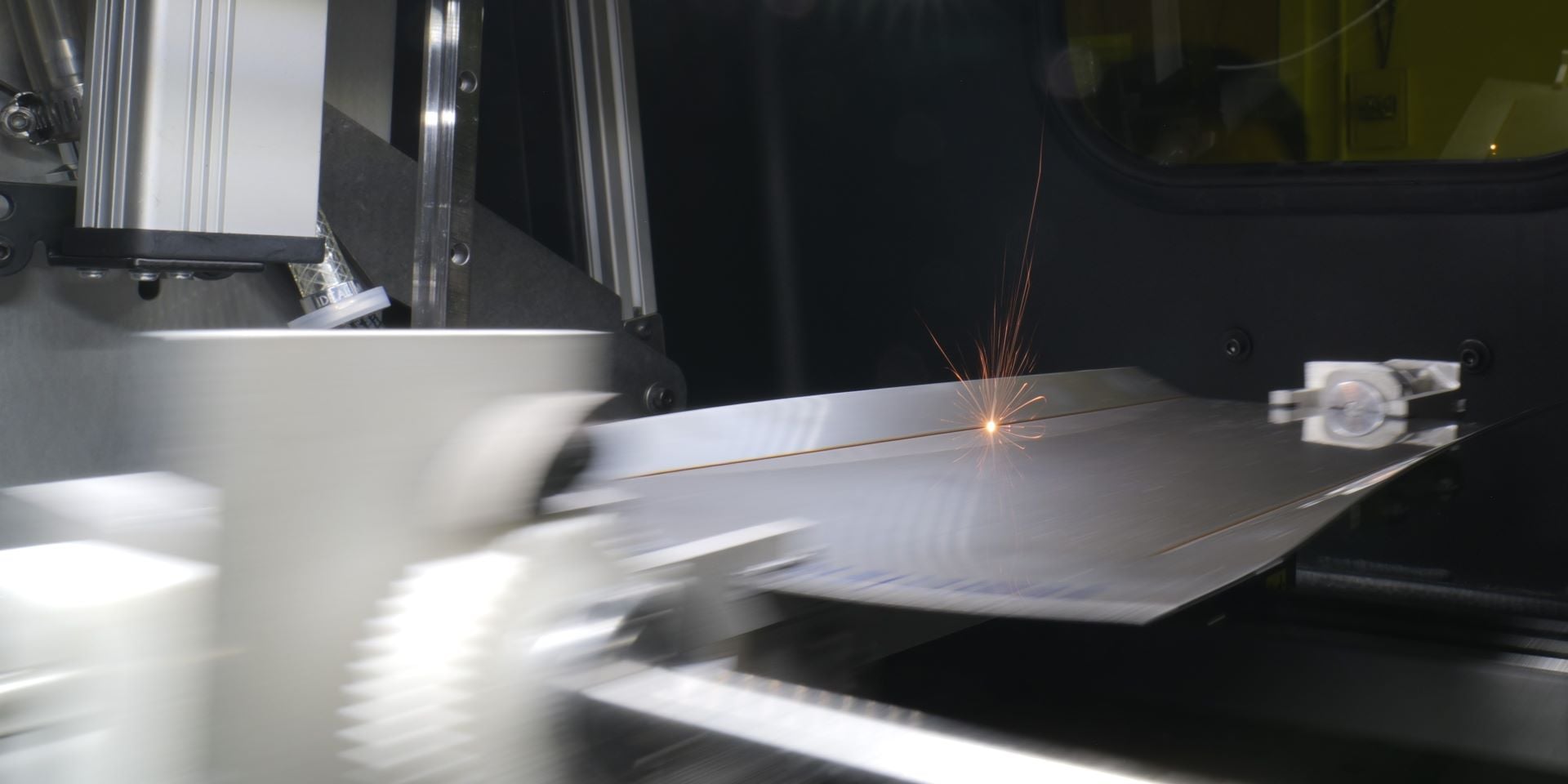
University of Florida researchers are exploring how lasers could help astronauts build structures on the moon using materials already available there, including lunar soil transformed into glass. The work, led by Victoria M. Miller, Ph.D., an associate professor in the Herbert Wertheim College of Engineering and researcher with the UF Astraeus Space Institute, recently completed a research phase focused on laser forming, a manufacturing process that bends materials without physical contact.
Continue reading
After decades of searches, cosmologists are within reach of finding cosmic dawn. A longtime observational cosmologist explains.
Continue reading
 Universe Today