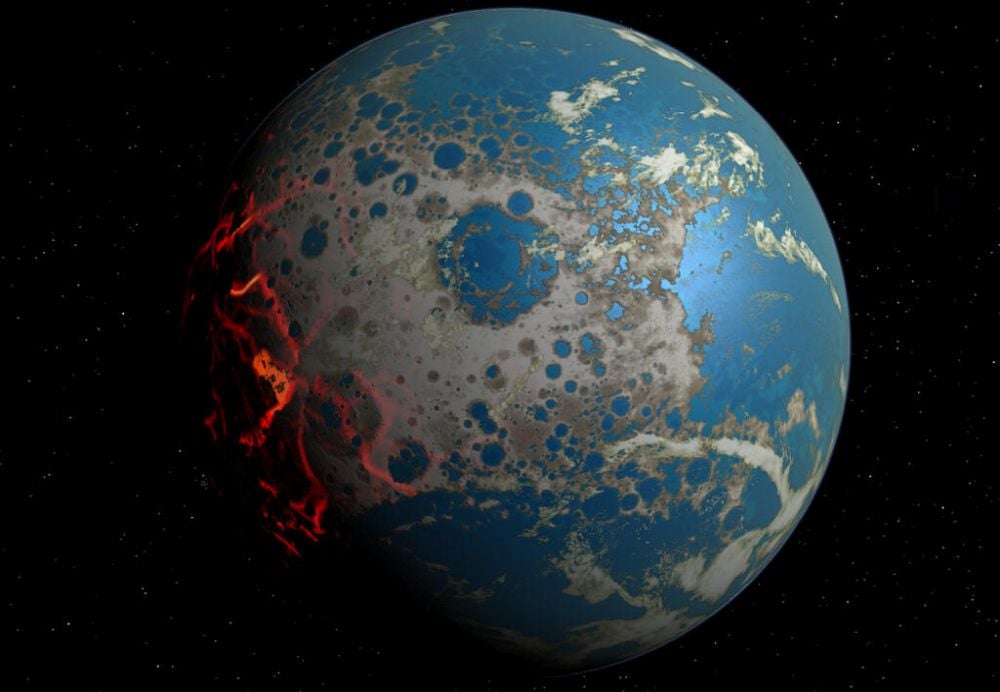
Earth was bombarded by impactors in its first couple billion years. These impacts created a vast network of hydrothermal systems in the crust that could've spawned life. New research examines their extent.
Continue reading
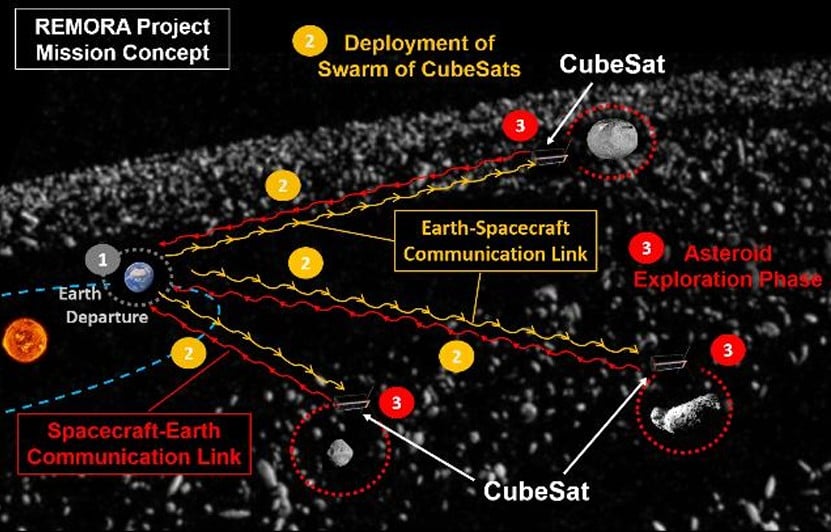
To truly understand what an asteroid is made up of, we need to send a probe to it. Remote sensing from ground-based telescopes, or even orbiting observatories, and only do so much. A new white paper submitted to the UK Space Agency’s 2035 Space Frontiers programme, pitches just such a mission architecture. Called the REndezvous Mission for Orbital Reconstruction of Asteroids (REMORA), the plan calls for a swarm of autonomous CubeSats to tag, track, and characterize multiple near-Earth asteroids.
Continue reading
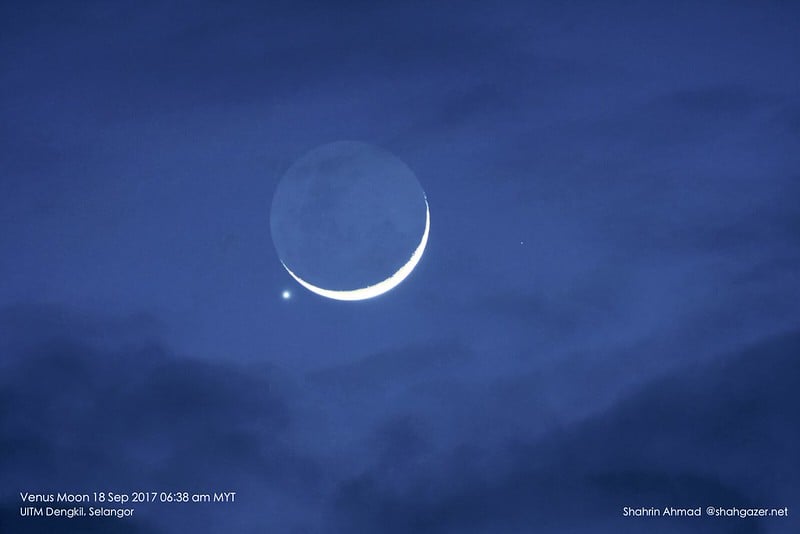
If you’re like us, you’ve been following the close conjunction of Jupiter and Venus in the June dusk sky. Next week, the Moon enters the evening scene, and actually occults (passes in front of) the planet Venus in what promises to be one of the top skywatching events for 2026.
Continue reading
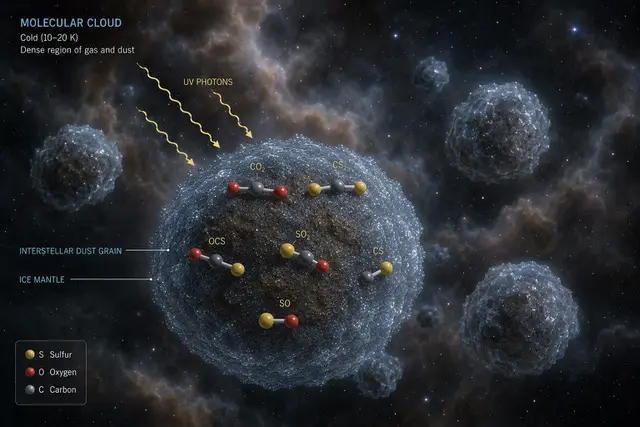
Sulfur is one of the most abundant elements in the universe. If you peer into a diffuse interstellar cloud, you find loads of it - about the amount expected based on fusion patterns of the stars it was born in. However, if you look at a dense, cold, molecular cloud - the kind where those stars actually form - it seems like 99% of the sulfur that is expected to be there is missing. Scientists have puzzled over this “missing sulfur problem” for decades, though a leading theory is that the element hides on icy dust grains making it hard to detect. A new paper published in Astronomy & Astrophysics from the Max Planck Institute for Extraterrestrial Physics and the Centro de Astrobiologia describes a new computer simulation model that they aimed to support the interpretation of laboratory results and test our current understanding of sulfur evolution in interstellar ices.
Continue reading
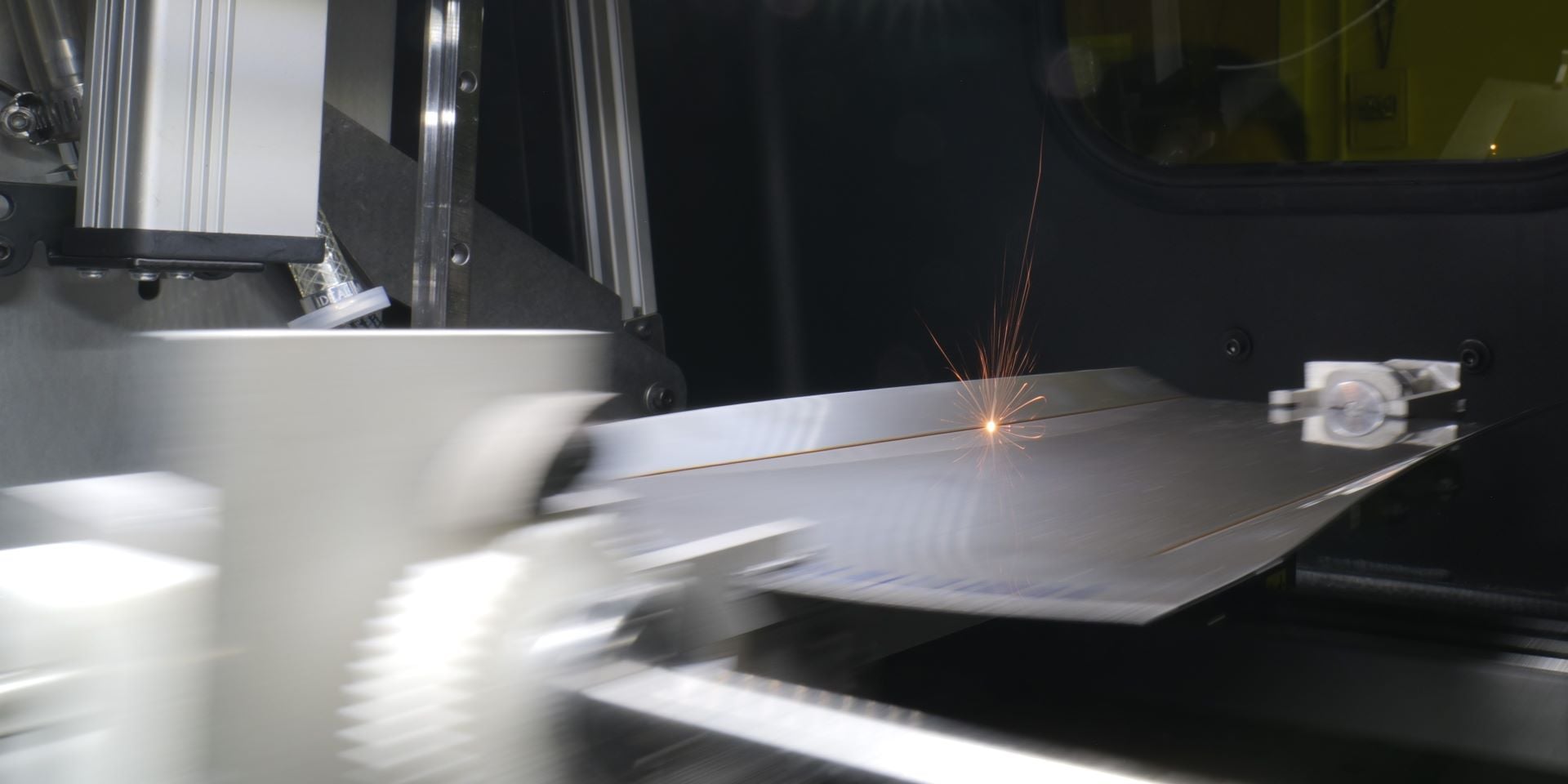
University of Florida researchers are exploring how lasers could help astronauts build structures on the moon using materials already available there, including lunar soil transformed into glass. The work, led by Victoria M. Miller, Ph.D., an associate professor in the Herbert Wertheim College of Engineering and researcher with the UF Astraeus Space Institute, recently completed a research phase focused on laser forming, a manufacturing process that bends materials without physical contact.
Continue reading
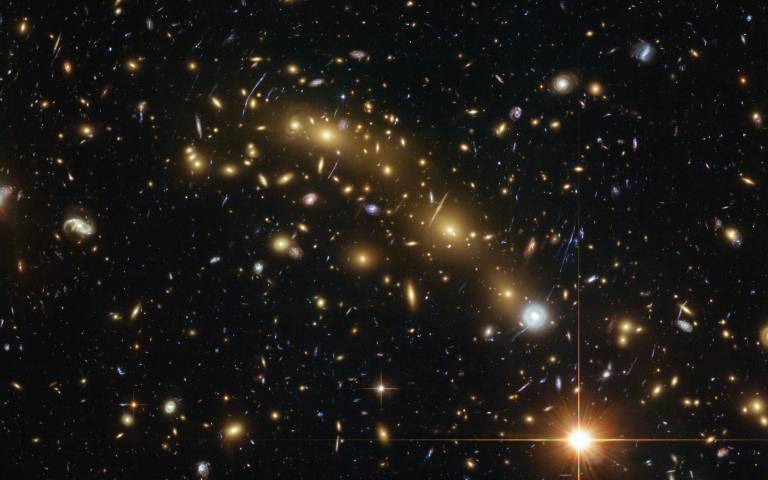
After decades of searches, cosmologists are within reach of finding cosmic dawn. A longtime observational cosmologist explains.
Continue reading
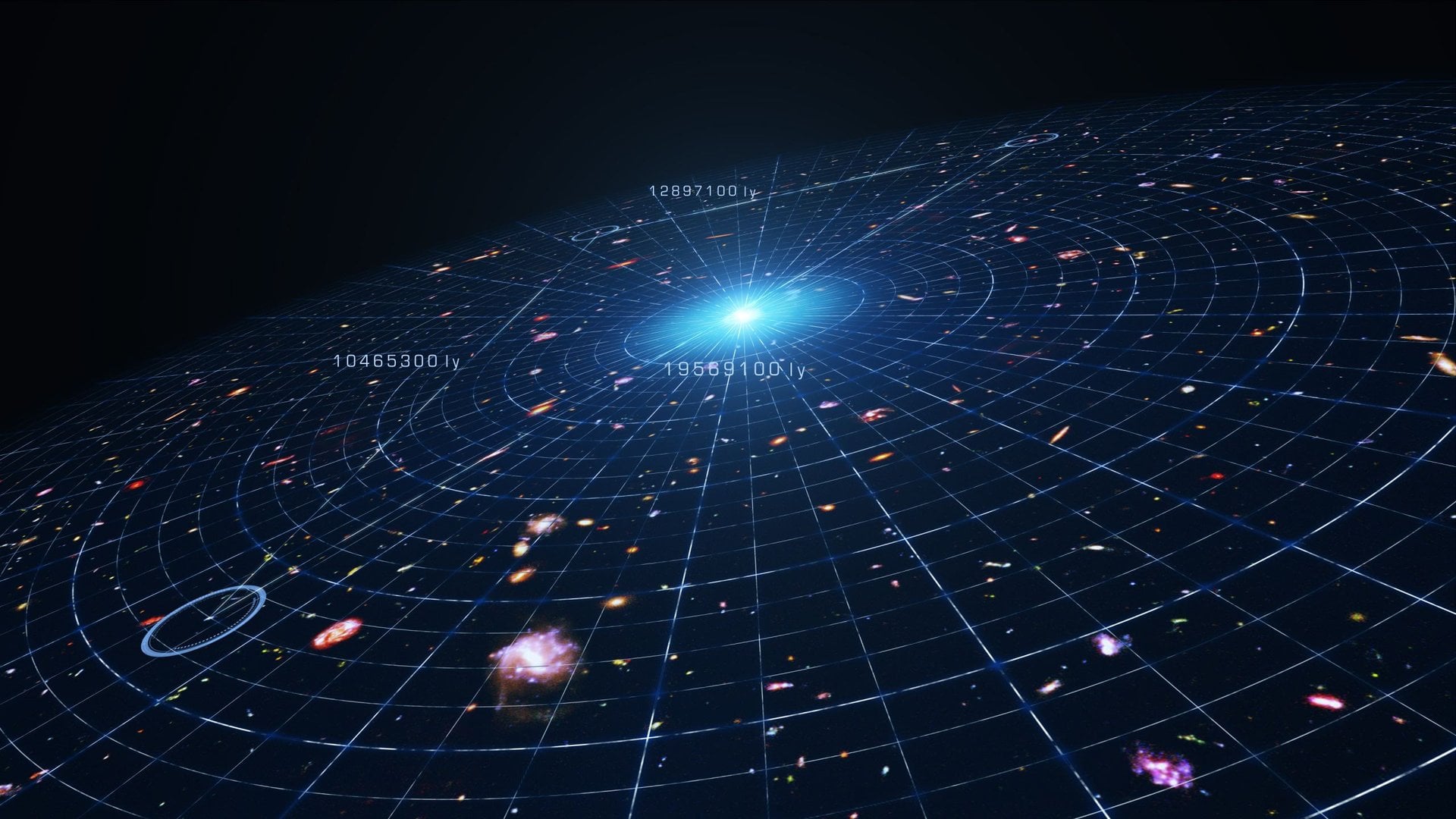
DOI: 10.48550/arXiv.2606.04044
Continue reading
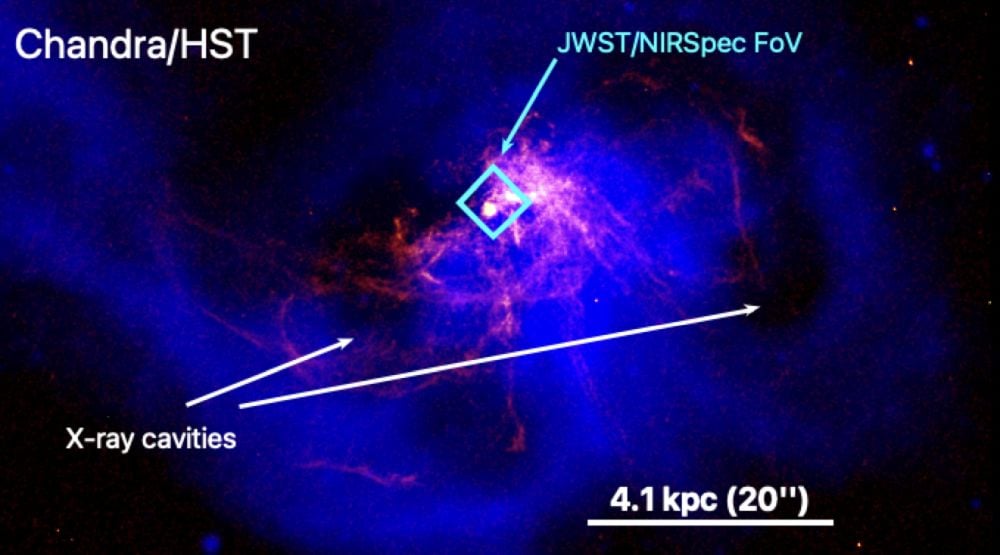
Astronomers may have found the missing link in the SMBH feeding process. New observations with the JWST show that a galaxy's circumnuclear disk, which feeds gas into its black hole, is connected to a much larger network of filaments. Cool gas flows through these filaments into the SMBH's sphere of influence.
Continue reading
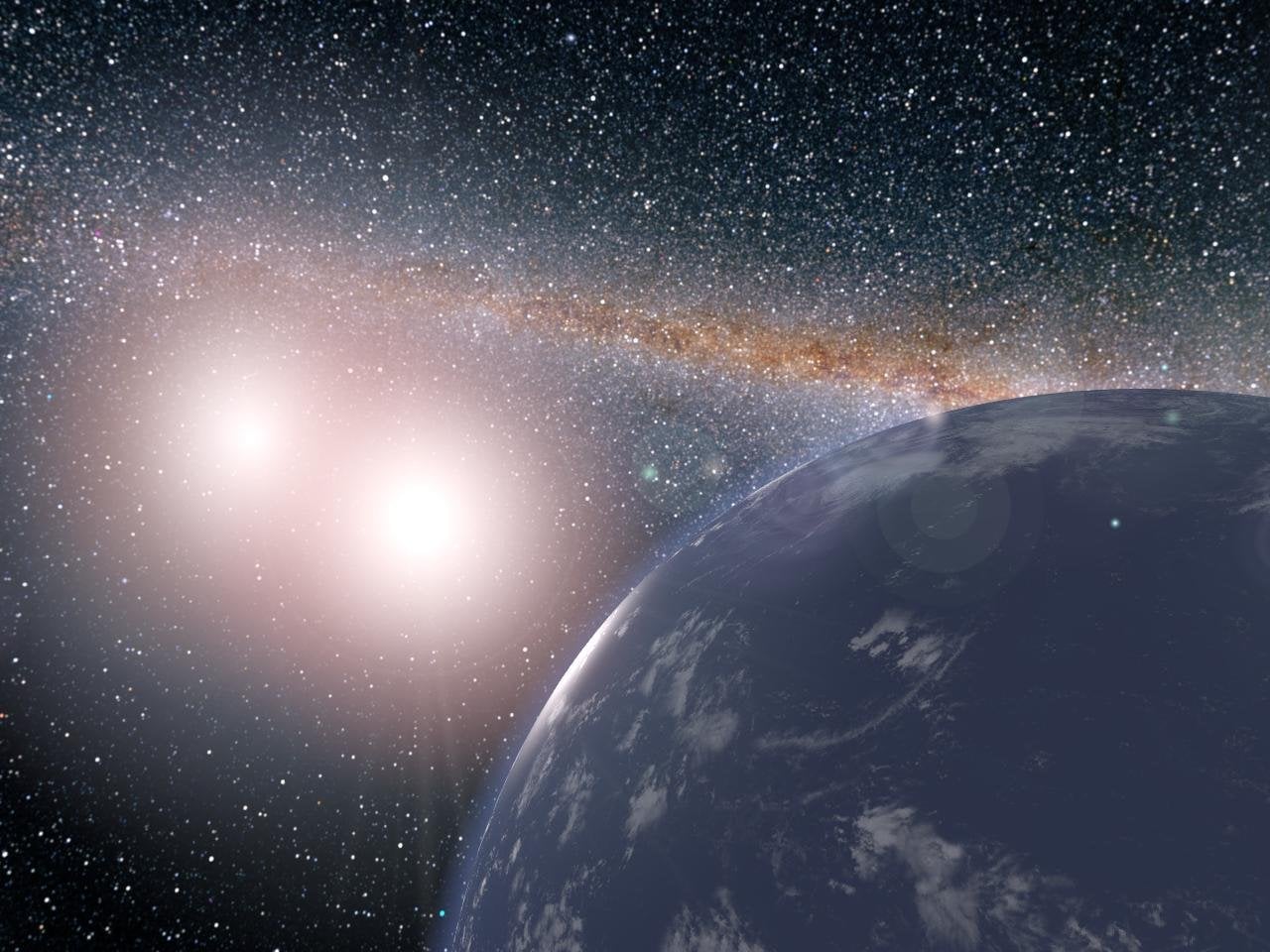
A debate has been raging amongst planetary scientists for over a decade - why are there so few exoplanets with a radius of about 1.8 times that of the Earth? Exoplanets are currently largely grouped into two distinct groups - “super Earth” are below that size and have rocky interiors, whereas “Sub-Neptunes” are above that size limit and appear “puffier.” But we don’t really understand what about the path of planetary evolution forces this bifurcation. A new mission proposal, called the Early eVolution Explorer (EVE) wants to find out, and a draft of its concept can be found in pre-print form on arXiv.
Continue reading
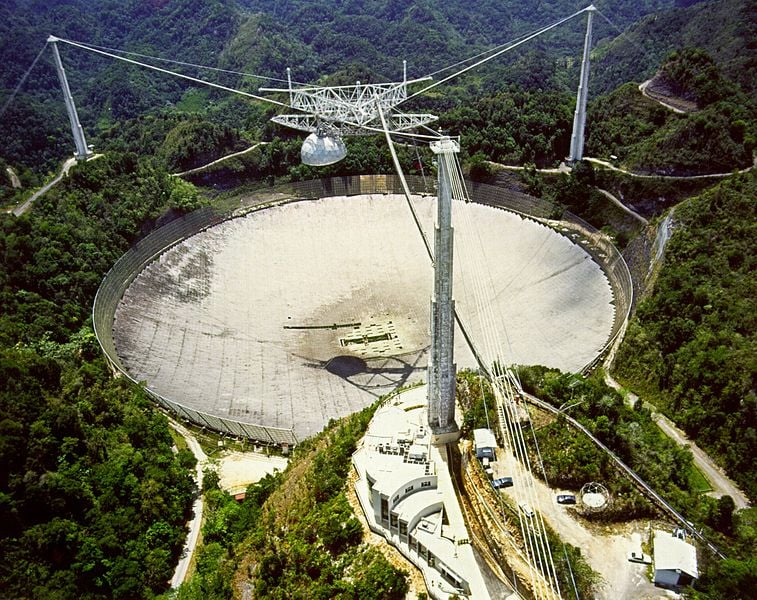
When we scan the skies for signs of alien civilisations, where exactly should we be looking and perhaps more importantly, where should we not? A high school student from Ankara has just published a remarkably sophisticated answer to that question, building a filtering system that sifts nearly 1.75 million stars and identifies which ones are genuinely worth our attention. The result is a publicly available catalogue that could transform how the search for extraterrestrial intelligence allocates its most precious resource - time.
Continue reading
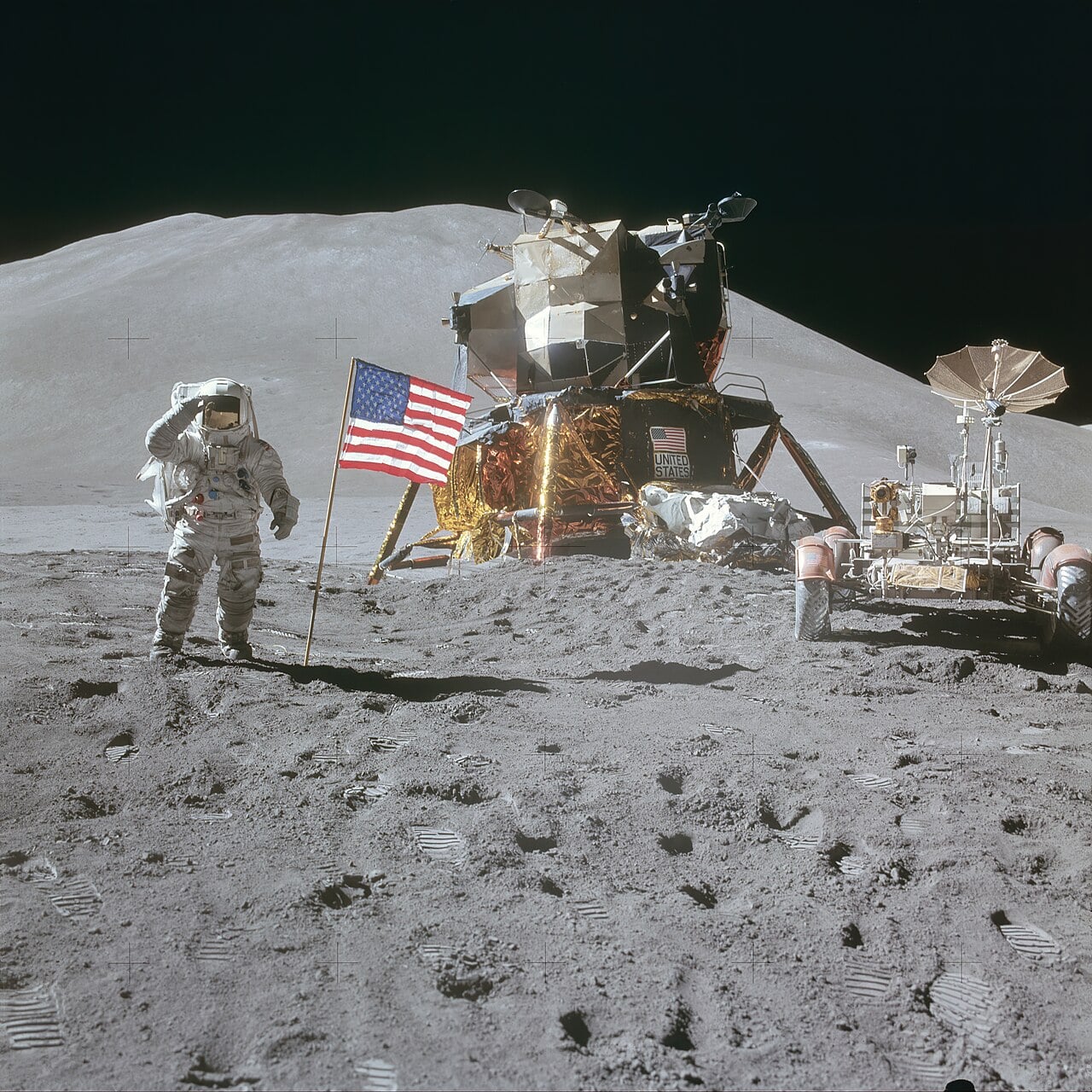
We've walked on the Moon, driven rovers across its surface, and analysed every gram of rock the Apollo astronauts brought home, yet we still don't have a complete picture of what the Moon is actually made of. Now a team of researchers in Japan think they've found the answer, a compact X-ray telescope, small enough to sit on a single satellite, that could map the entire lunar surface in just two years. It's an elegant solution to one of planetary science's most stubborn problems and the implications for understanding where the Moon came from could be revolutionary.
Continue reading
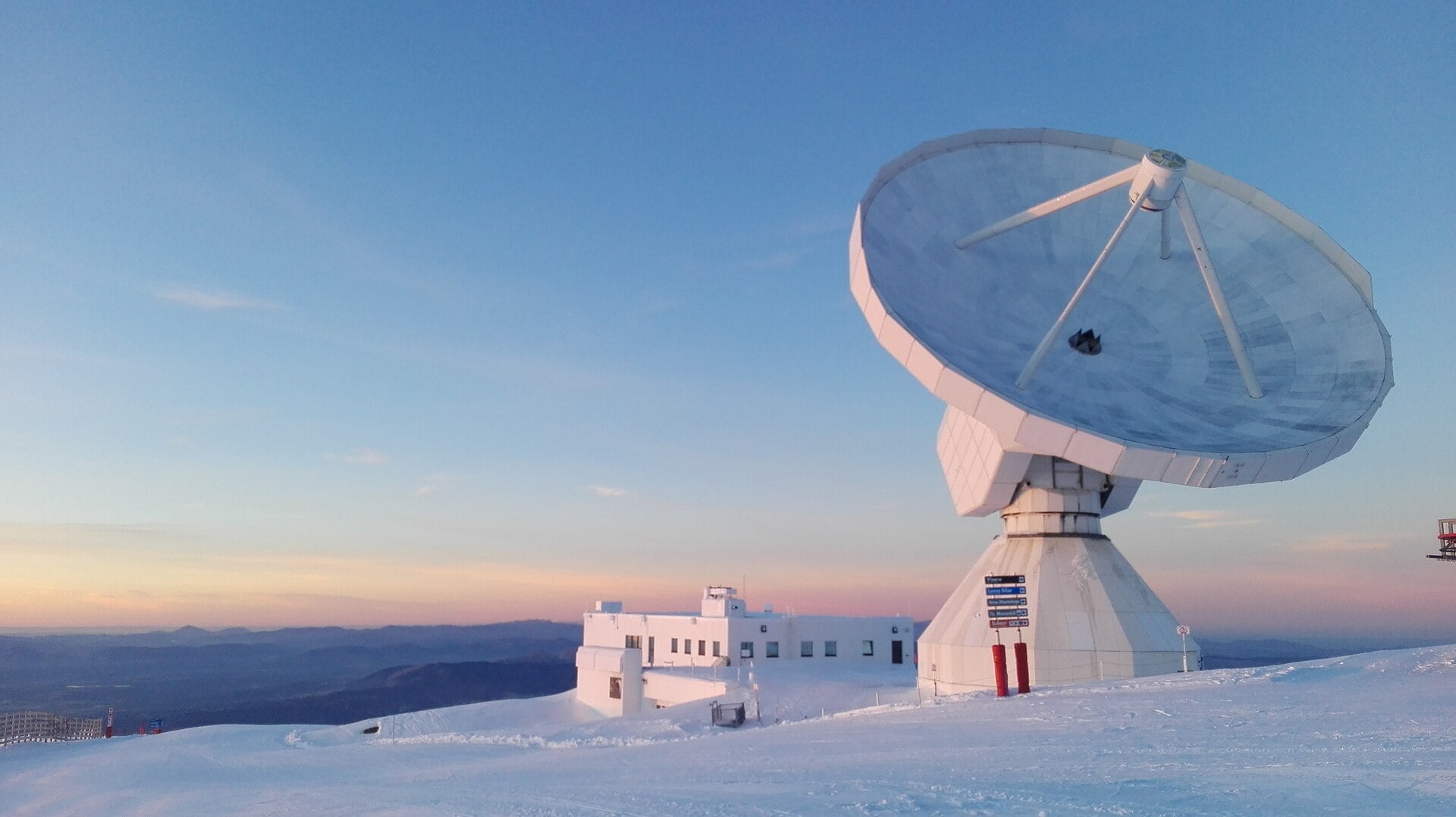
The space between stars may seem like a barren desert, but over the past few decades scientists have been finding all sorts of interesting chemicals in it. From the precursors to proteins to the building blocks of cell membranes, there has been discovery after discovery of new molecules in the giant gas clouds between the stars. Now, a new paper available in pre-print on arXiv details the discovery of the first ever four-carbon sugar in the Interstellar Medium (ISM), and it is another brick on the path to understanding how life on Earth first developed.
Continue reading
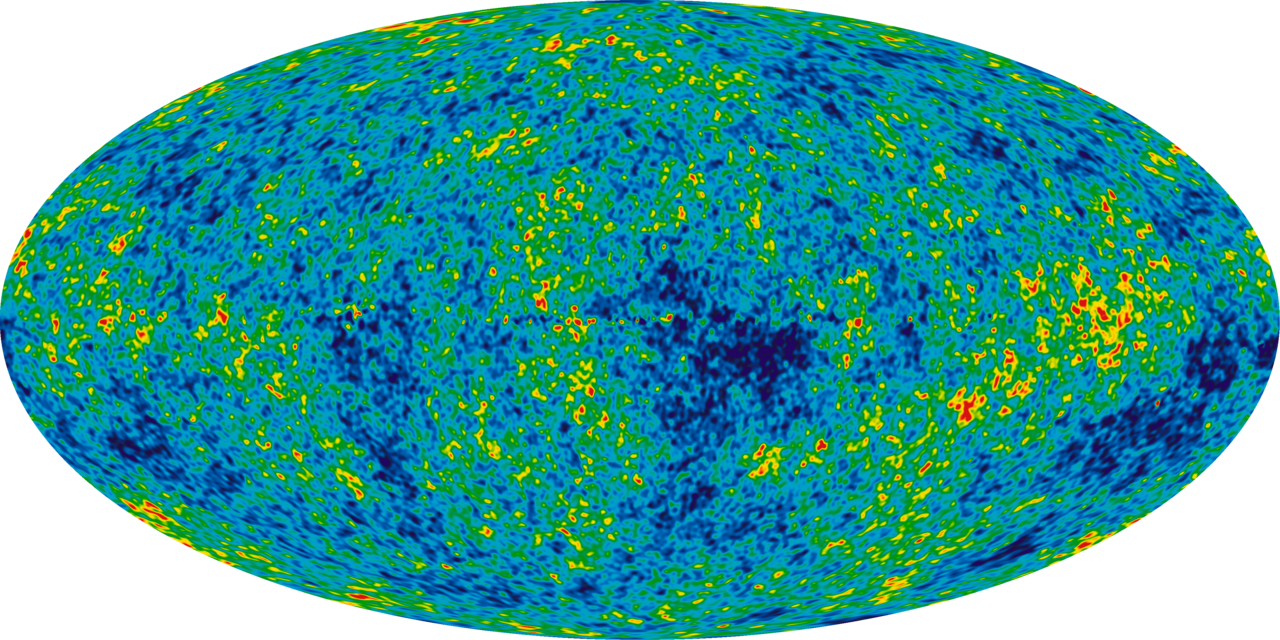
The ekpyrotic universe is a beautiful idea that runs headlong into the data. From hand-waved singularities and assumed dark energy to the killer blow from Planck and WMAP measurements of the cosmic microwave background, here is why nature has so far voted against it.
Continue reading
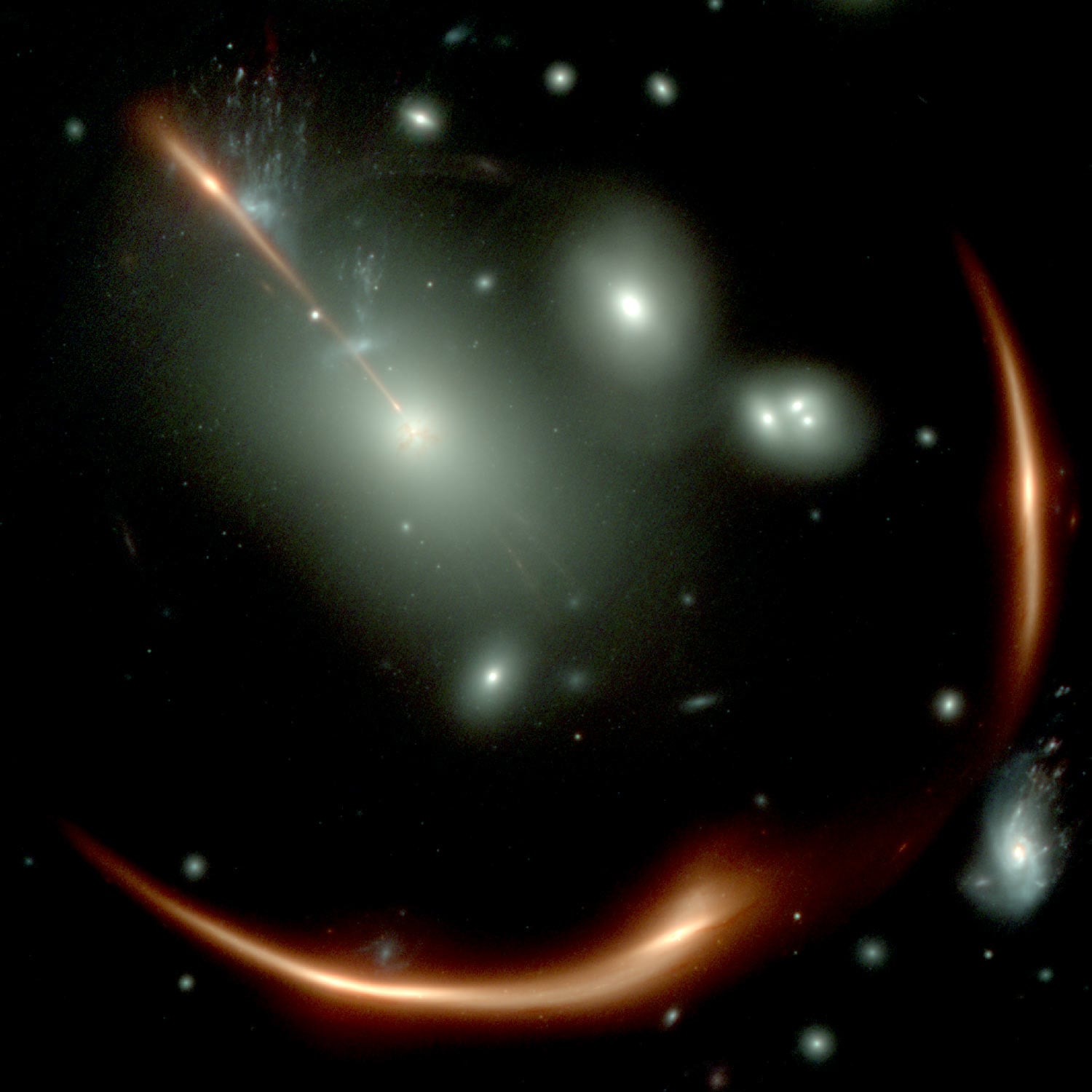
How do you measure the mass of a dormant black hole in the early Universe? That's a question astronomers at University College London (UCL) and Carnegie scientists wanted to answer about a distant object that is invisible. So, they turned to James Webb Space Telescope (JWST) studies of the region around the black hole to find that answer.
Continue reading
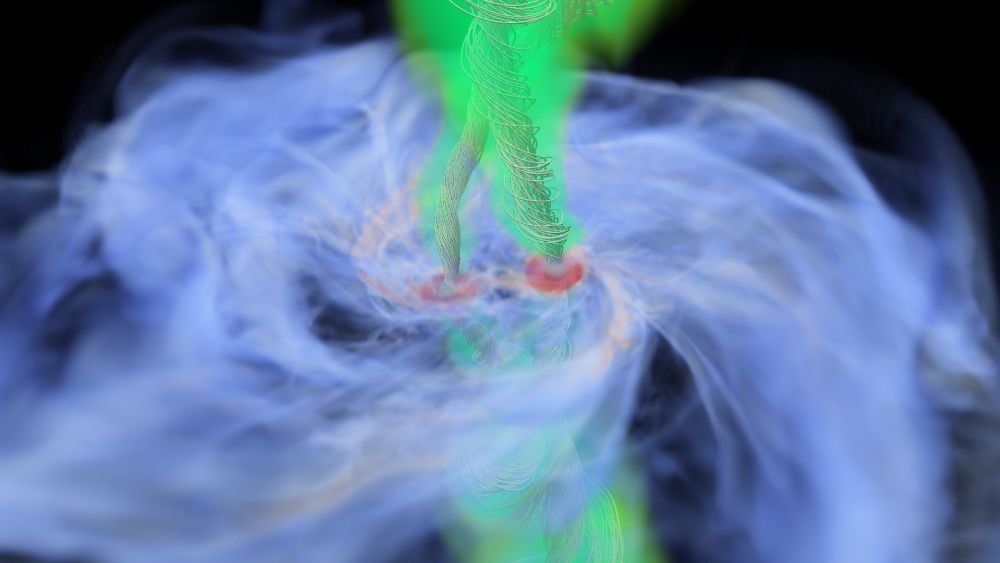
New simulations show that interactions with a magnetic field can work to decrease the distance between still forming binary protostars. These results can help explain the characteristics of the binary star systems observed in the Milky Way. These results can also be extrapolated to binary black holes, giving insights into how super massive black holes evolve.
Continue reading
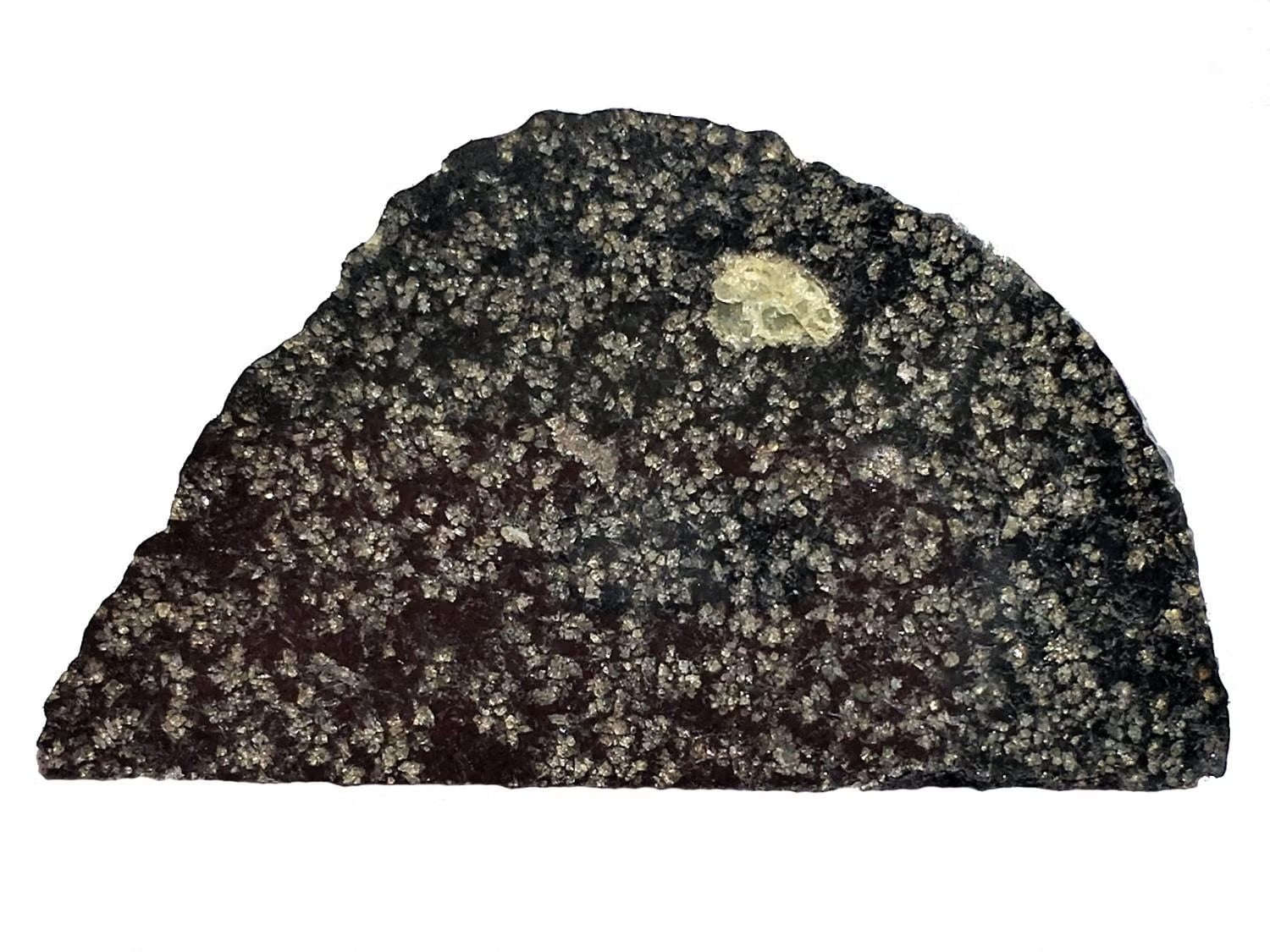
Meteorites are (usually) gifts from the heavens. They provide unique insights to parts of the solar system that we couldn’t access otherwise - either because it's too expensive, or because the solar system itself has evolved since it was formed. A new paper from researchers at the University of Colorado Boulder details how one particularly famous meteorite offers a window into just such a bygone age of the solar system - and the failed planet that was a part of it.
Continue reading
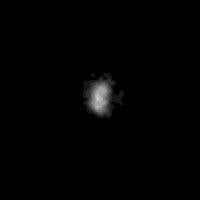
Neptune is definitely the odd one out of the gas giants. It’s tilted at a strange angle, and its moons are completely different from any other gas giant we know of. A new paper, published in Science Advances from researchers at CalTech, posits that might be because Triton, by far Neptune’s largest moon, absolutely obliterated the regular moon system it previously had, except for one particular exception - Nereid.
Continue reading
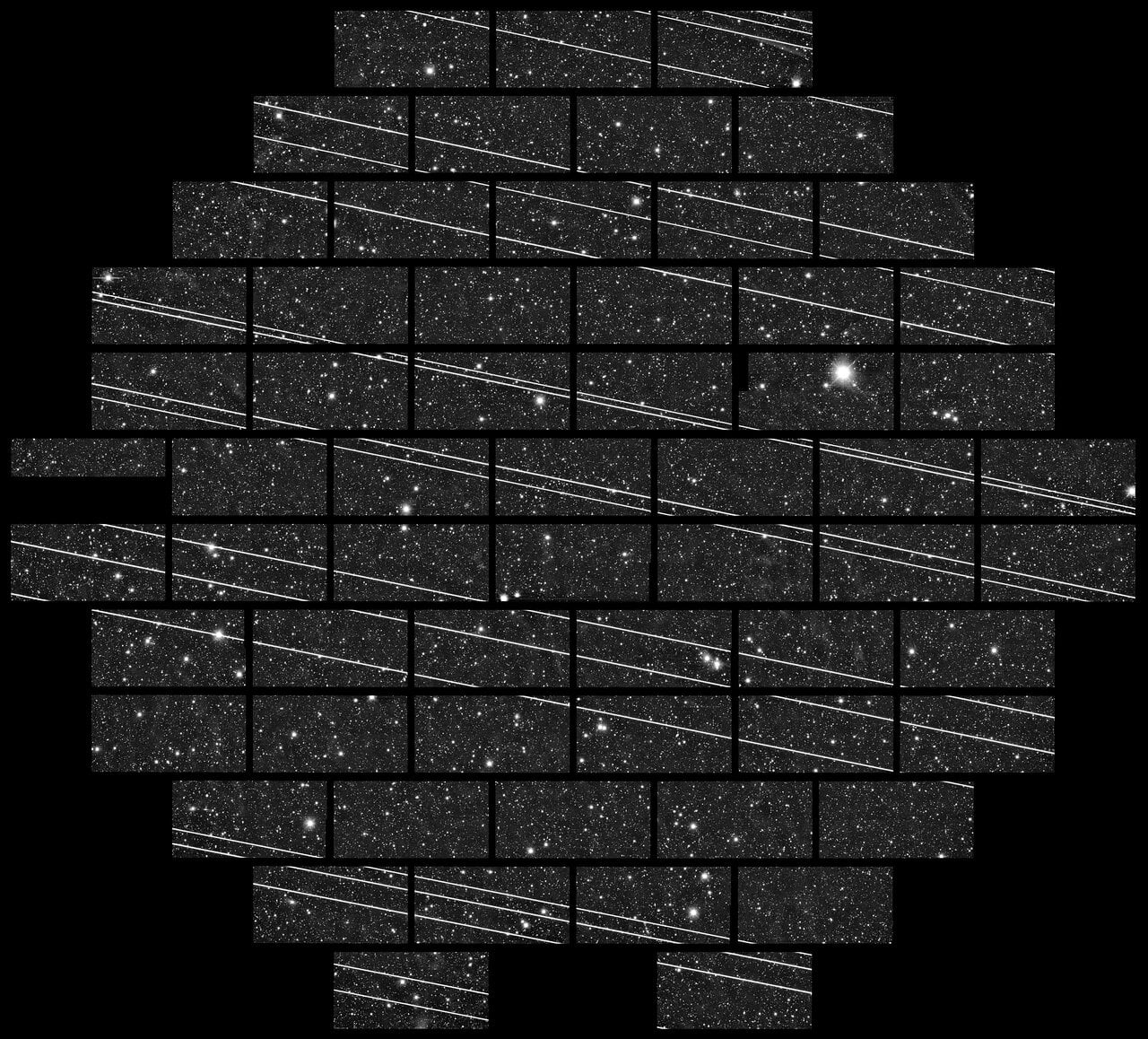
Unfortunately there’s more bad news to report on the clear skies front. A new paper, available in pre-print on arXiv from researchers at NASA’s Ames Research Center, reports that 73.3% of images the agency’s new SPHEREx space telescope collected between May and September of last year were contaminated by at least one artificial satellite trail. And it’s only going to get worse from here.
Continue reading

The ekpyrotic theory tries to beat inflation with bouncing higher-dimensional branes, no singularity, and a universe that has always existed. A tour of the prettiest version of the idea and how it claims to handle flatness, dark energy, and the entropy that doomed earlier cyclic models.
Continue reading
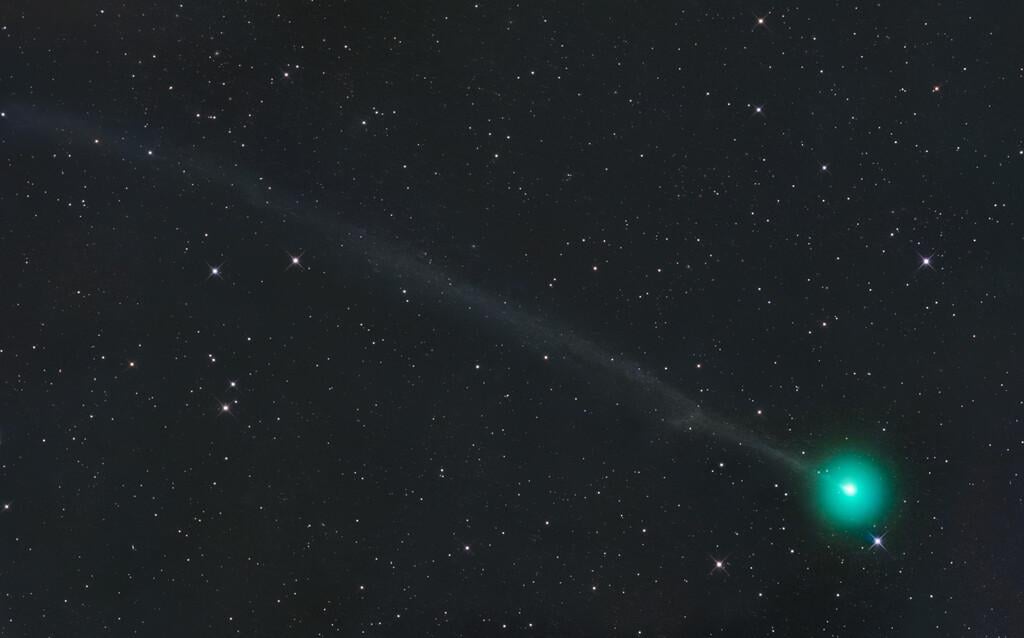
We witnessed a surprise outburst late last week, from a lesser known periodic comet. Posts flashed across message boards late last week, alerting comet watchers to a dramatic change in brightness for periodic comet 220P McNaught. Though it wasn’t on our list for bright comets to watch for in 2026, Comet 220P is now in range of binoculars or a small telescope, low to the east at dawn as it heads towards perihelion this coming weekend.
Continue reading
 Universe Today