An atmosphere is a layer of gases that may surround a celestial body that is held in place by the gravity of that body. An atmosphere may be retained for billions of years if gravity is high and the atmosphere’s temperature is low. Some planets(gas giants) consist mainly of various gases, but only their outer layer is their atmosphere.
A stellar atmosphere is the outer region of a star. This includes the portion from the photosphere outwards. Low-temperature stars may form compound molecules in their outer atmosphere. Earth’s atmosphere provides the molecules needed for life and protects organisms from damage by ultraviolet radiation. Its current composition is the product of billions of years of biochemical modification by those living organisms.
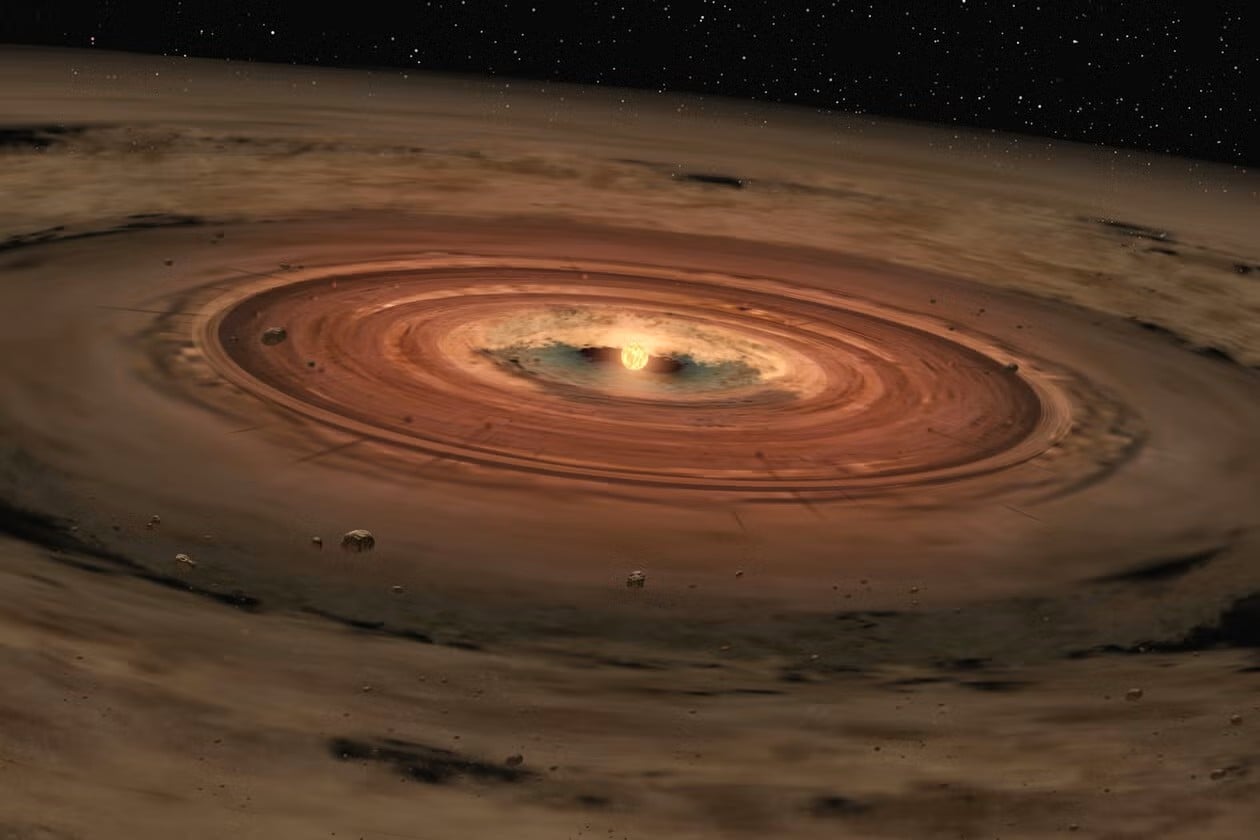
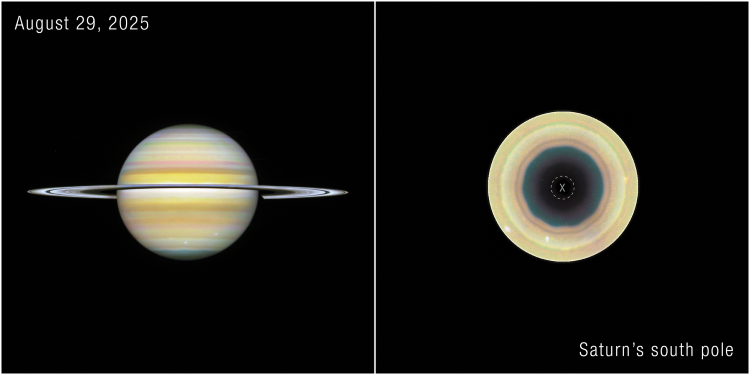
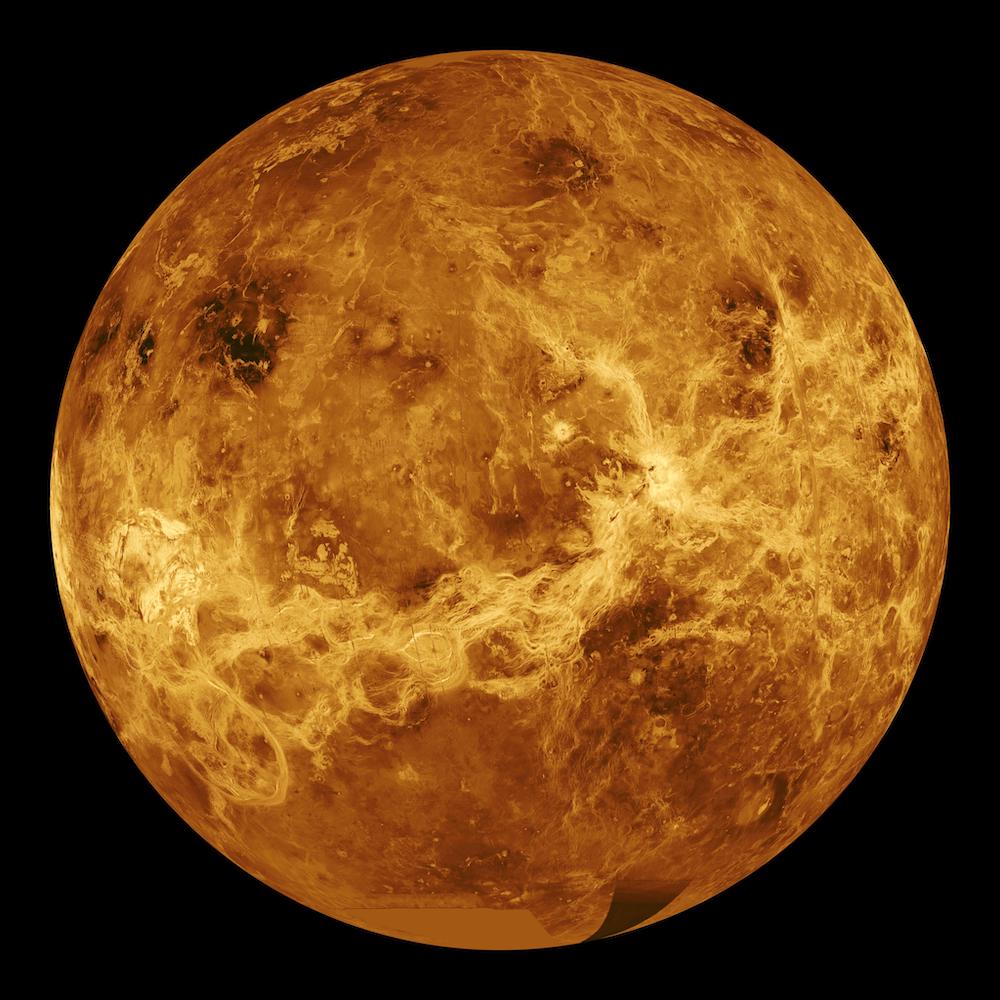
Atmospheric makeup is generally related to the chemistry and temperature of the closest solar nebula during planetary formation and the subsequent escape of interior gases. Original atmospheres underwent a great deal of evolution over time and the varying properties of each planet resulted in very different atmospheres and conditions. The atmospheres of Venus and Mars are composed of carbon dioxide, nitrogen, argon, oxygen, and trace gases, while the atmosphere on Earth is largely governed by the by-products of the very life that it sustains. It contains 78% nitrogen, 21% oxygen, and trace amounts of water vapor, argon, carbon dioxide, hydrogen, helium, and other gases. The low temperatures and higher gravity of the gas giants(Jupiter, Saturn, Uranus, and Neptune) allows them to readily retain gases with low molecular masses, so these planets have mainly hydrogen-helium atmospheres.
Two satellites in the outer planets possess atmospheres. Titan(one of Saturn’s moos) and Triton(one of Neptune’s moons) have atmospheres mostly comprised of nitrogen. Pluto’s atmosphere is made of nitrogen and methane. It is in gas form when at perihelion and frozen at aphelion.
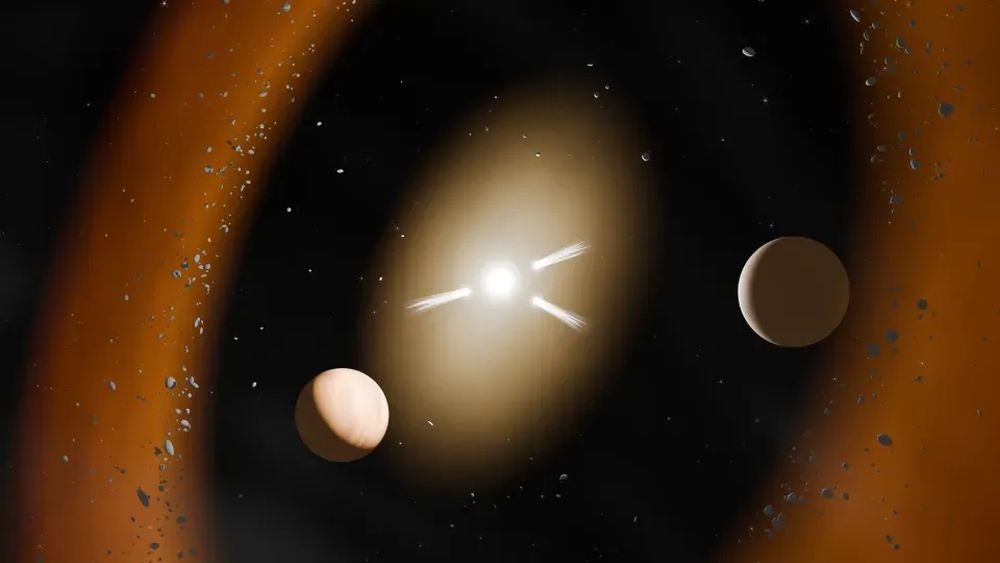
The Hubble Space Telescope was used to determine the composition of an extra-solar planet. The planet, HD 209458b, is a gas giant in the Pegasus constellation. Hydrogen, oxygen, sulfur, and carbon are steadily escaping the atmosphere that is thought to be at 1,000K.
The atmosphere has different meanings for different fields of study. A geologist looks to it for the morphology of a planet. A meteorologist looks for climate changes and storm prediction, while a biologist looks to it for early signs of life and clues to evolutionary steps.
We have written many articles about the atmosphere for Universe Today. Here’s an article about the Earth’s early atmosphere, and here’s an article about the gases in the atmosphere.
If you’d like more info on the Atmosphere, check out NASA’s Article about the Earth’s Atmosphere, and here’s a link to Atmosphere and Climate Page.
We’ve also recorded an entire episode of Astronomy Cast all about Atmospheres. Listen here, Episode 151: Atmospheres.

Comments on this entry are closed.