Universe Today
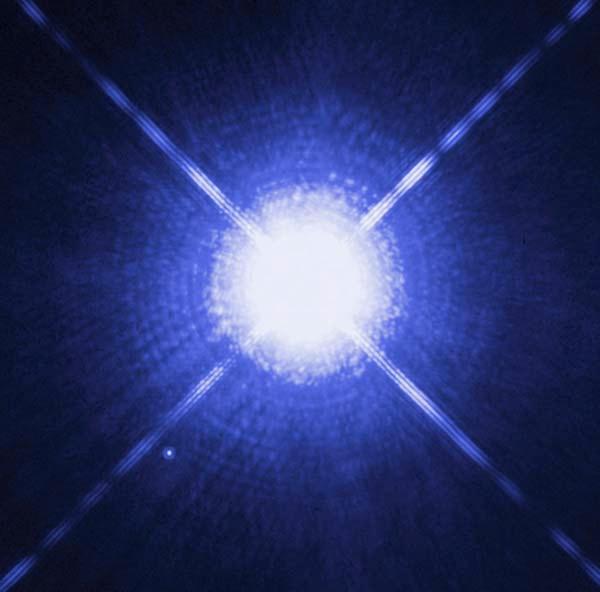
Stars are mostly balls of hydrogen gas that came together from a nebula of gas and dust. They generate their energy through the process of fusion. This is where atoms of hydrogen are combined together to form helium atoms. And in the process, the star generates a tremendous amount of energy in the form of radiation. So, why do stars die?
This radiation starts up being trapped inside the star, and it can take more than 100,000 years to work its way out. You might not realize it, but light can emit a force when it bumps up against something. So all the light inside the star emits a pressure that opposes the force of gravity pulling all the material inward.
A star can exist in relative stability in this way for billions of years. Eventually, though, the star runs out of hydrogen fuel. At this point, a new reaction takes over, as helium atoms are fused together into heavier and heavier elements, like carbon and oxygen.
Once the helium is used up, a medium-mass star like our Sun just runs out of fuel. It can no longer sustain a fusion reaction. And without the pressure of the light ballooning it out, the star contracts down into a white dwarf - made mostly out of carbon.
A white dwarf star shines because it's still very hot, but it slowly cools down over time. Eventually it will become cool enough that it's invisible. And if we could wait long enough, the star would become a
black dwarf star
. The Universe hasn't existed long enough for us to have any black dwarfs, but there are plenty of white dwarfs.
We have written many articles about stars here on Universe Today. Here's an article about a
hypergiant star that's about to die.
If you'd like more information on stars, check out
Hubblesite's News Releases about Stars
, and here's the
stars and galaxies homepage
.
We have recorded several episodes of Astronomy Cast about stars. Here are two that you might find helpful:
Episode 12: Where Do Baby Stars Come From
, and
Episode 13: Where Do Stars Go When they Die
?