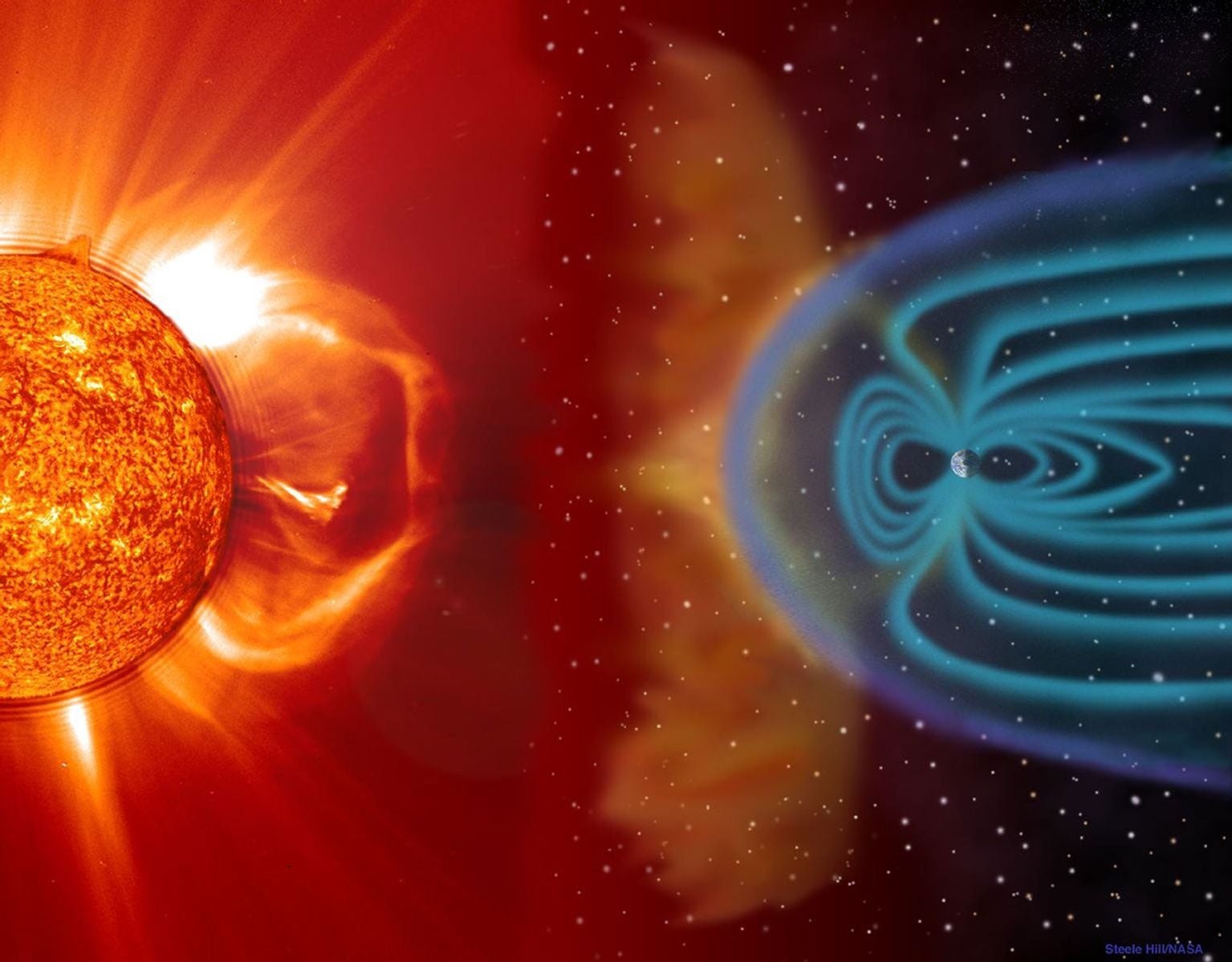
New Mexico State University (NMSU) astronomy graduate student Khagendra Katuwal studied 70 coronal holes on the sun to better understand the connection between solar activity and space weather. His paper was recently published in The Astrophysical Journal.
Continue reading
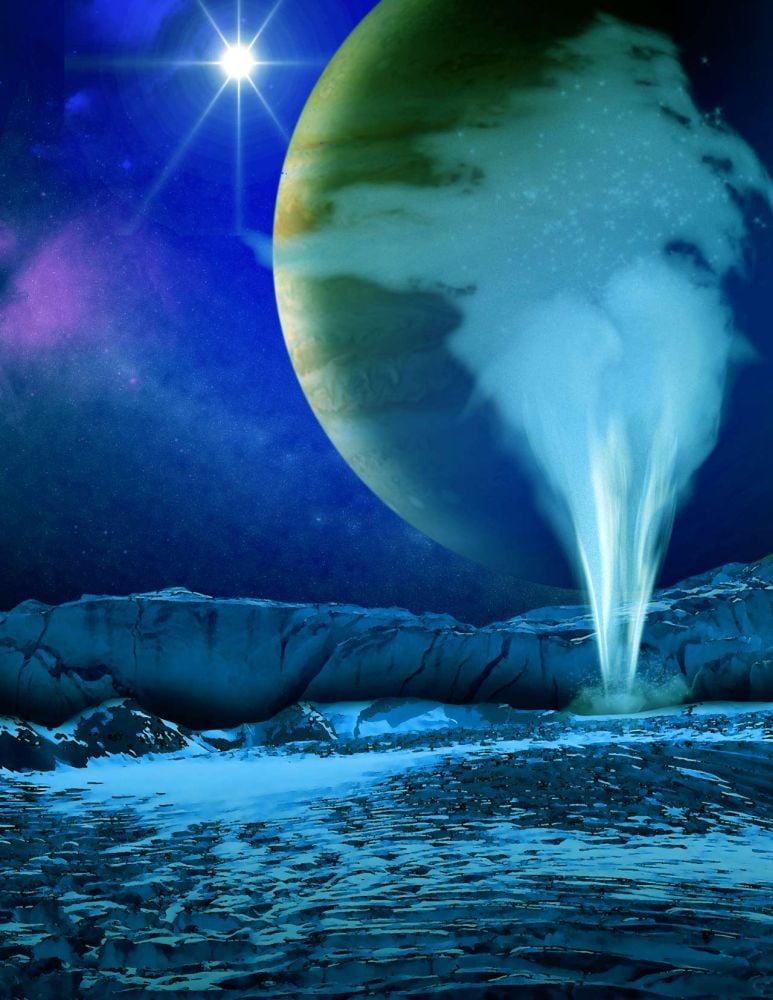
In 2014, researchers presented the discovery of water vapour plumes being emitted from Jupiter's moon Europa. This caused quite a stir; it meant that the moon's buried ocean was accessible without contending with the thick ice shell that concealed it. But new research by the same researchers questions those detections.
Continue reading
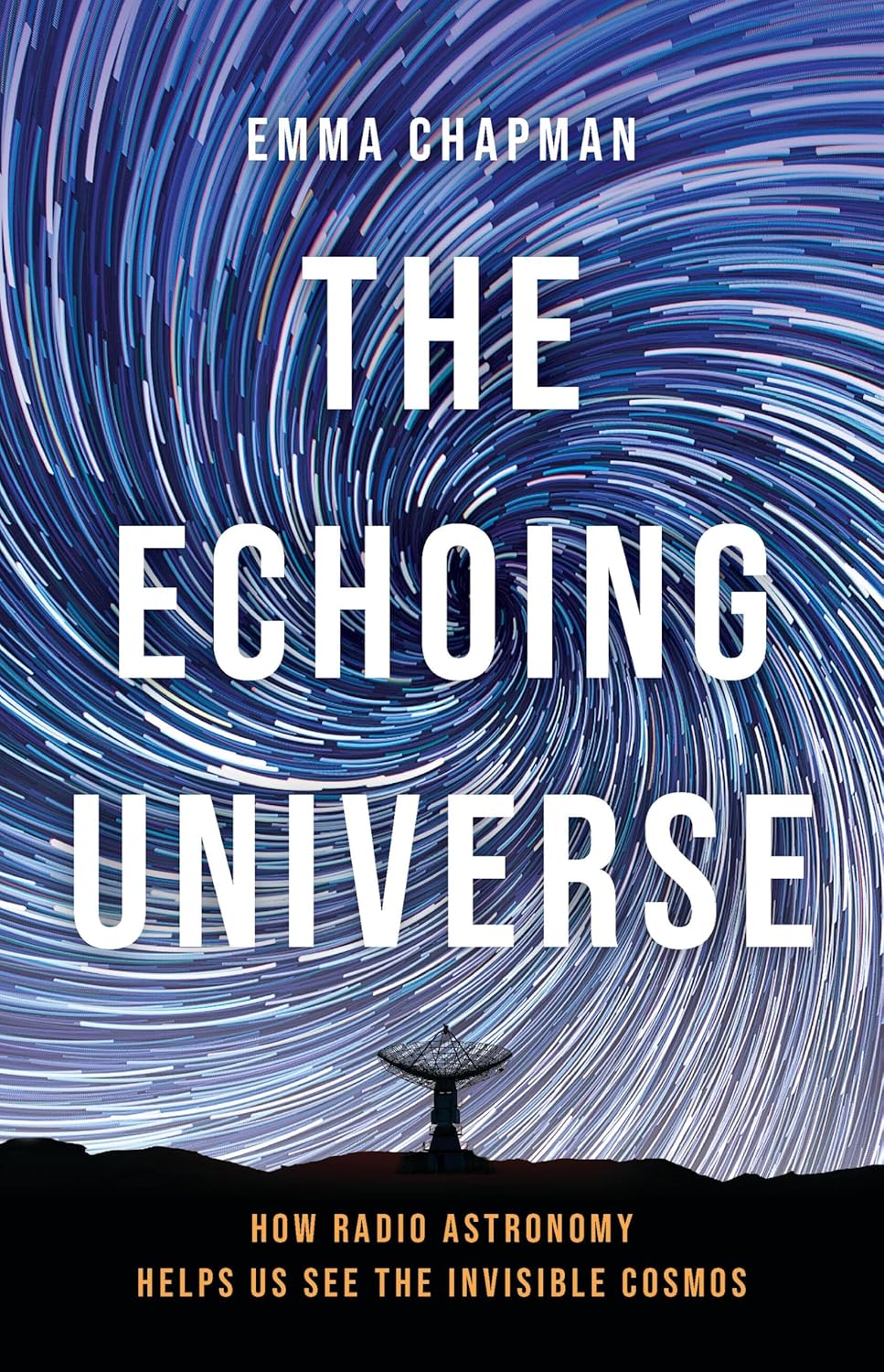
Typically when we think of astronomy, we think of pictures of M87 captured on a backyard telescope or the soaring colorful peaks of the Eagle Nebula seen by Hubble. But perhaps the most influential type of astronomy of the last 100+ years doesn’t directly result in the stunning pictures we’re so accustomed to today. It captures radio waves from some of the most interesting objects in the universe. And in her new book, The Echoing Universe: How Radio Astronomy Helps Us See the Invisible, Dr. Emma Chapman, a radio astronomer at the University of Nottingham, tracks how these longest wavelengths of the electromagnetic spectrum have influenced the practice of astronomy and our understanding of our place in the universe.
Continue reading
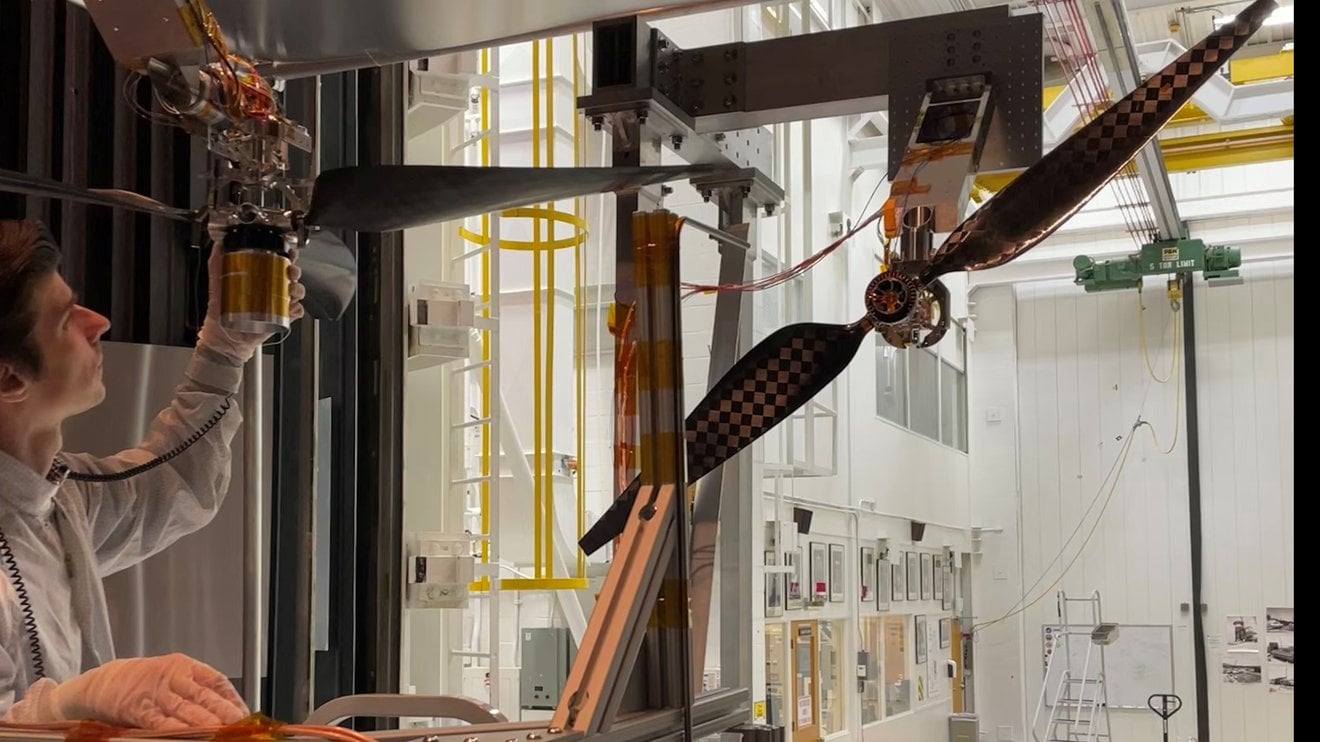
Ingenuity, the Mars helicopter, which performed the first controlled, powered flight on another planet, was an excellent demonstration of human ingenuity. But it was just that - a demonstrator. The intention with Ingenuity was simply to prove that we could, in fact, fly on another planet. But now we’ve proved that we can, it’s time to do something more useful with that new ability - like do actual science. A new mission designed to do just that recently passed a critical testing milestone, opening the way for future Mars helicopter missions that will make Ingenuity look like our very first steps.
Continue reading
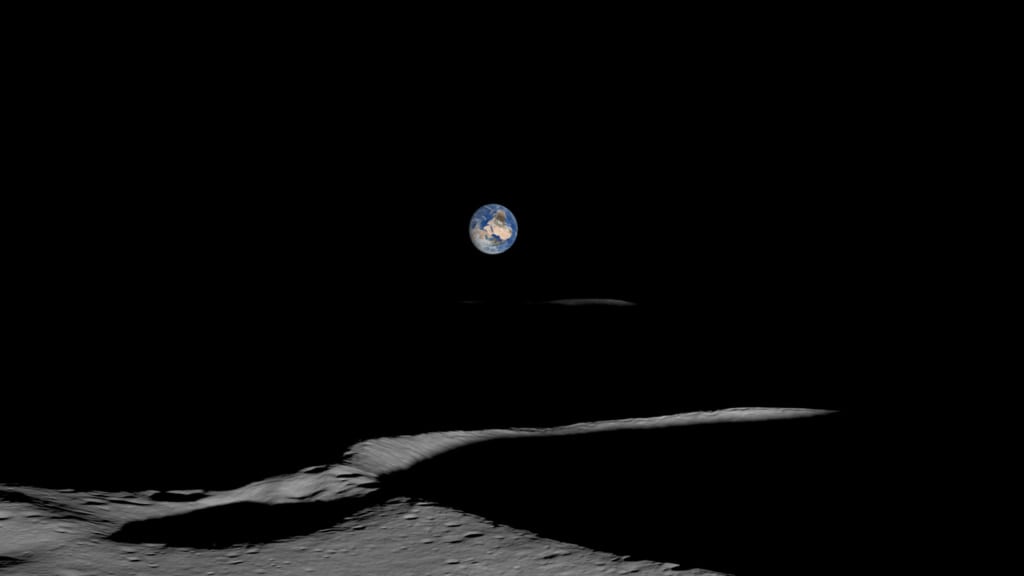
When people eventually head to the Moon for long-term exploration and habitation, they'll need equipment and habitats made of well-tested materials. That's where NASA's Lunar Environment Test Rig (LESTR) comes in handy. It simulates extreme cold lunar night conditions right here in a NASA Glenn lab, testing equipment in temperatures ranging from 40K to 125K (-233 C to -148 C) in a vacuum.
Continue reading
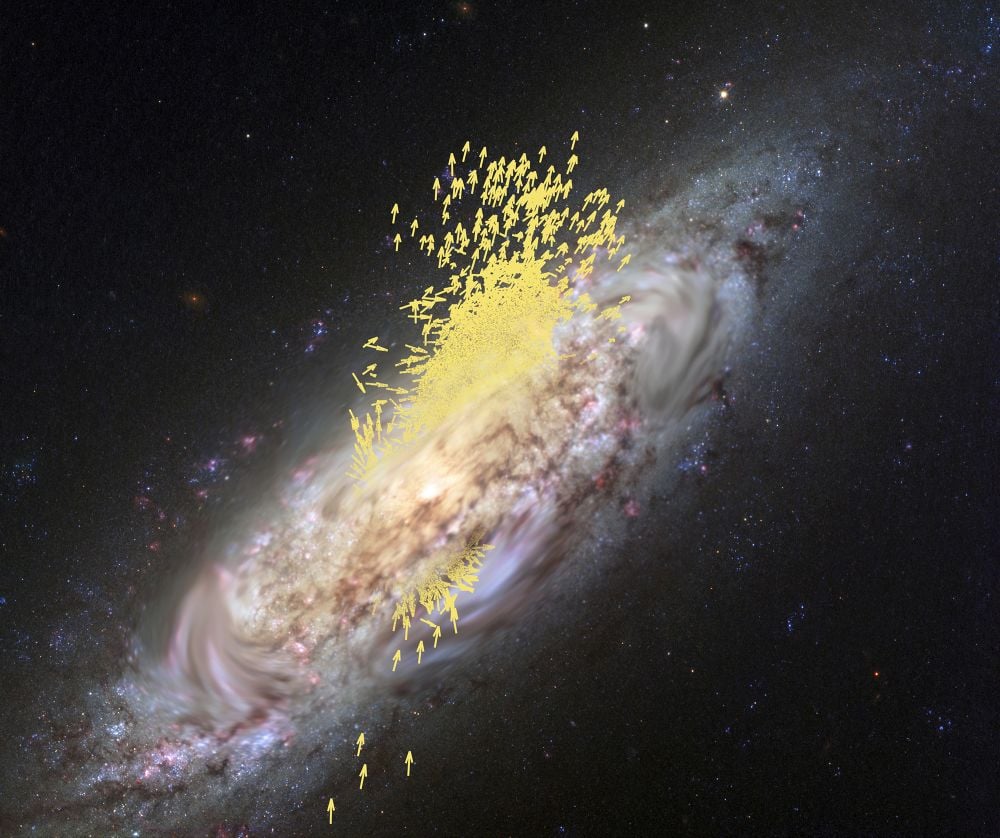
Galaxies grow through mergers and collisions, and astronomers want to know more about the mergers in the Milky Way's past. But mergers can stir up the stars in the resulting galaxy, making it difficult to determine exactly when an ancient merger occurred. A new study led by researchers at the Institute of Cosmos Sciences of the University of Barcelona (ICCUB) and the Institute of Space Studies of Catalonia (IEEC) may have overcome that challenge.
Continue reading
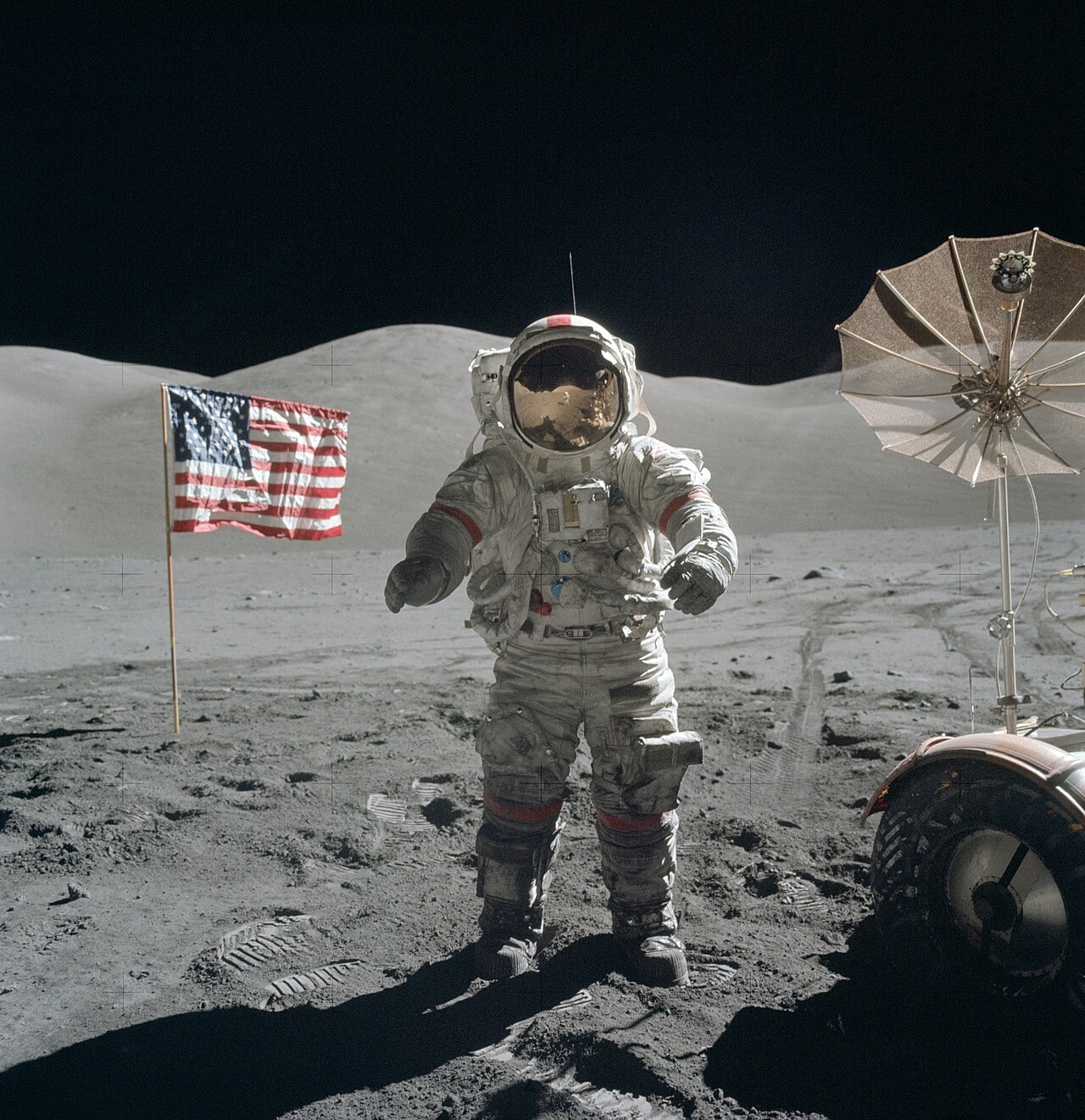
Years of grievance against dust. It ruins lungs, suits, rovers, and Mars missions. The first installment of an apology, sort of, to the most annoying substance in the cosmos.
Continue reading
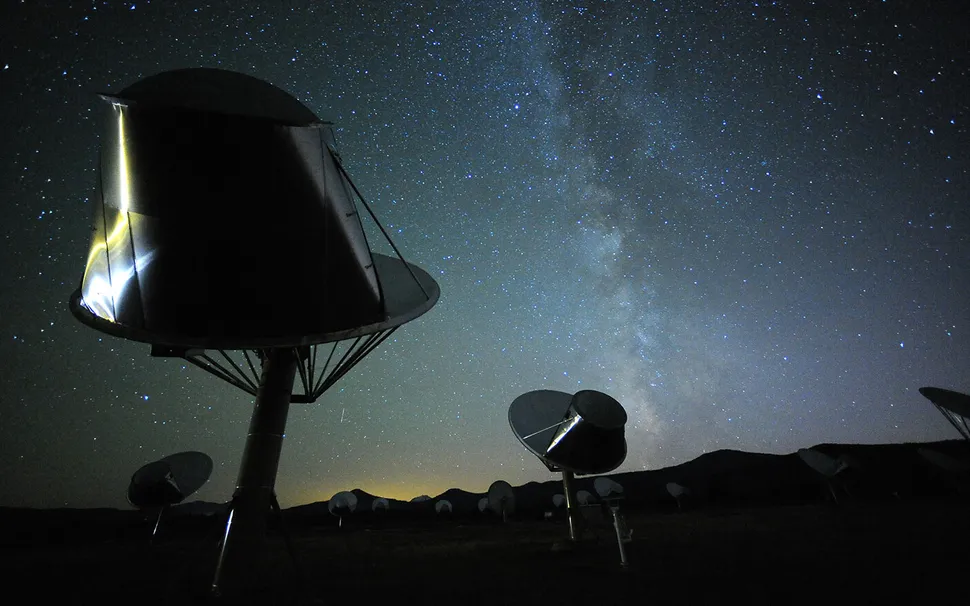
In the closing decades of the 20th century, several proposed explanations were put forward for why humanity has not yet found evidence of extraterrestrial intelligence in the cosmos.
Continue reading
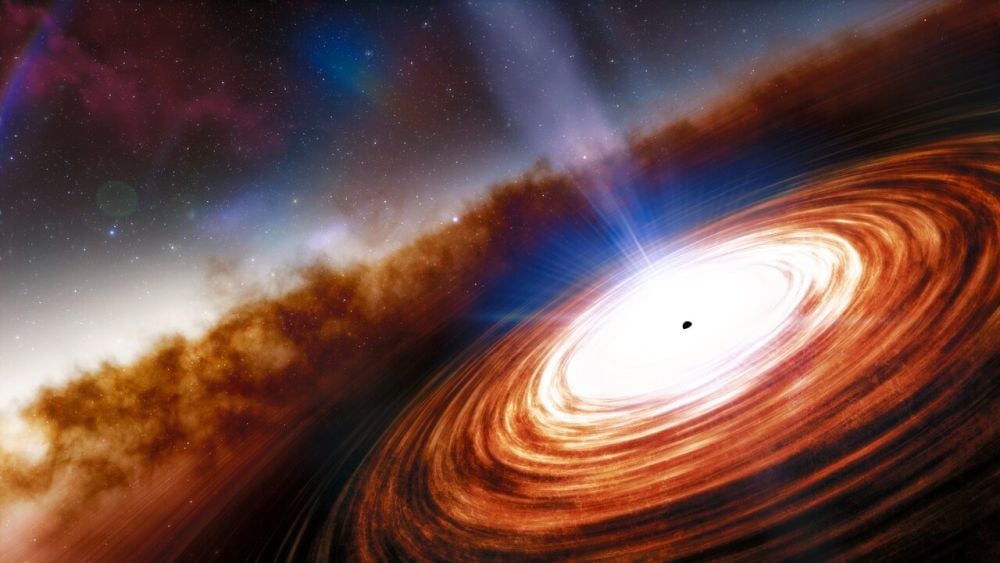
Ever since the JWST found over-massive black holes in the early Universe, researchers have been trying to understand them. Theory showed that black holes and their galaxies grew in synchronization with each other. That can't explain the JWST's findings, but new research might.
Continue reading
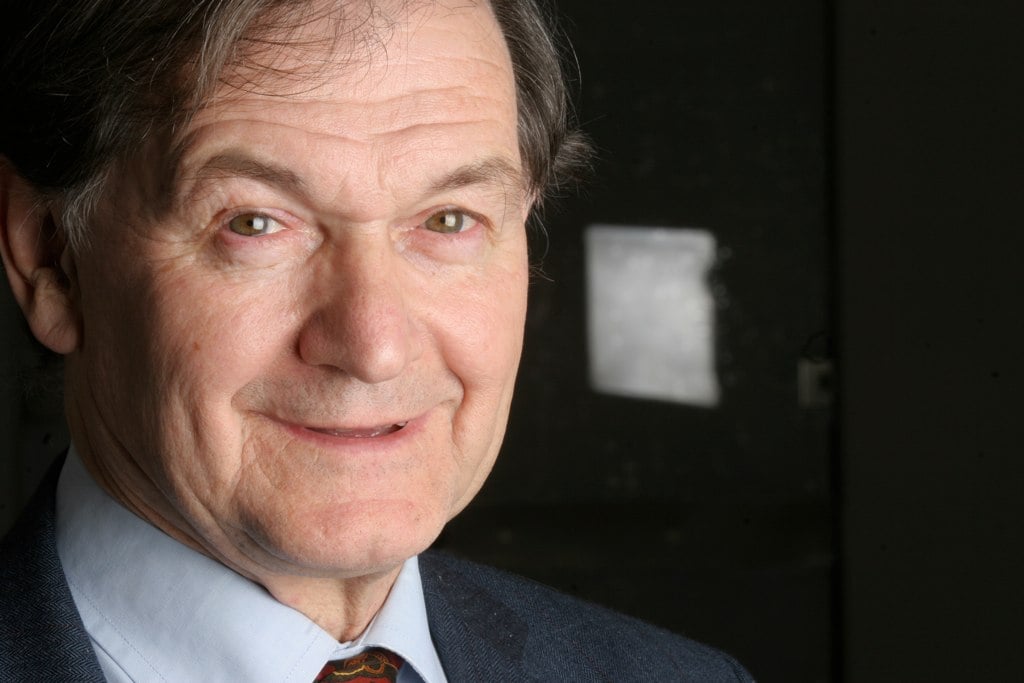
No quantum gravity. The wrong peak in the wave function. Boltzmann Babies. Roger Penrose pointing out that the arrow of time was smuggled in through the back door. The no-boundary proposal is beautiful. It is also possibly wrong in many specific ways.
Continue reading
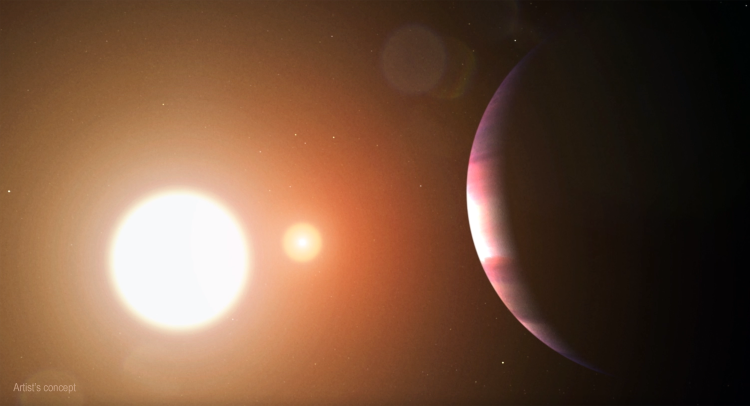
You’re doing some late afternoon work on the habitat as part of humanity’s first exoplanet settlement, but the sun is going down so you’re trying to speed things up. Just as the light dims, everything suddenly starts getting brighter. You look up and see the sun starting to rise again, except it’s your second sun. You kick yourself for not checking the daily sunrise and sunset logs, but you’re happy you get to put in a bit more work before you eat dinner.
Continue reading
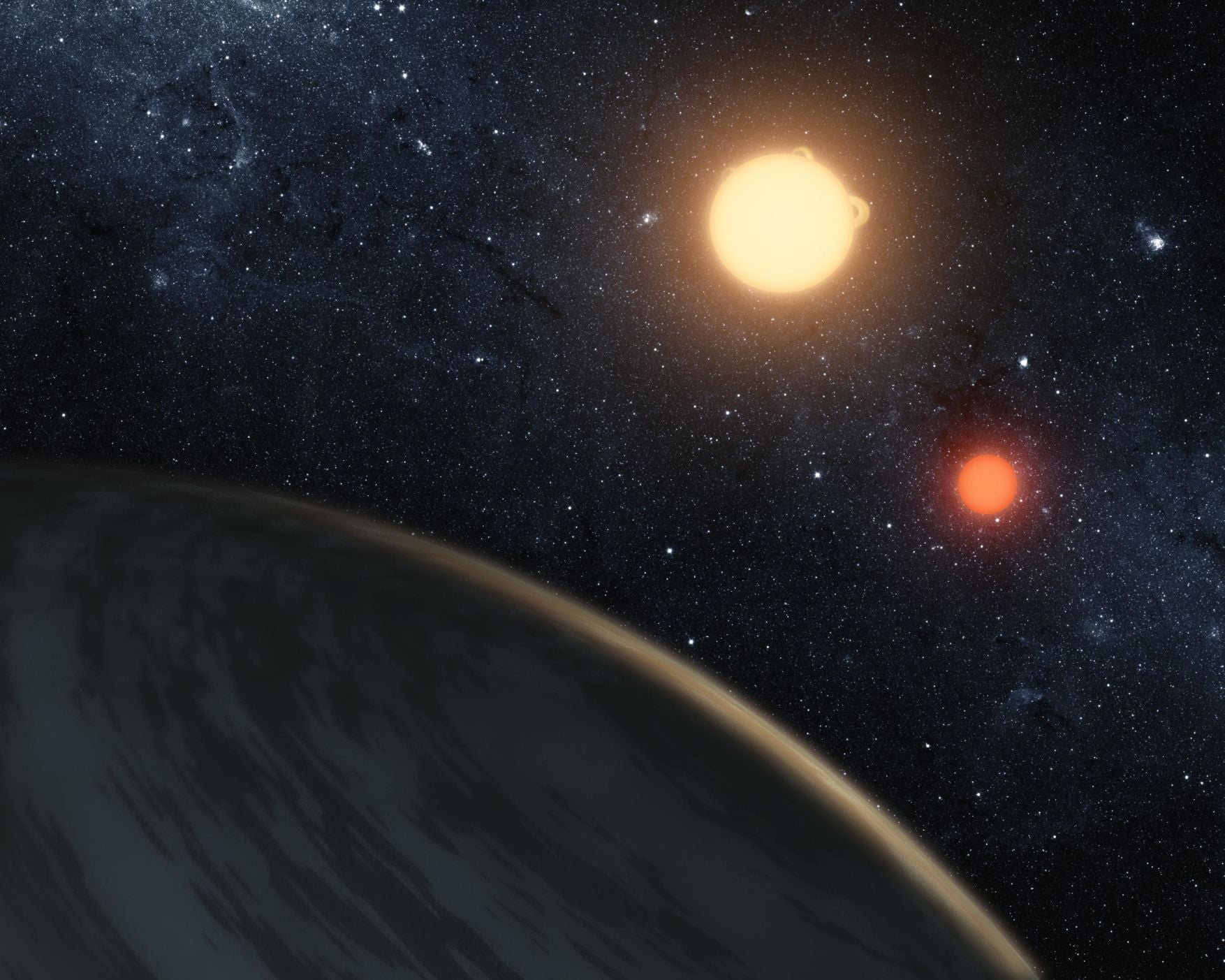
There's a distinct category of exoworlds out there that orbit two stars. They're called "circumbinary" planets and up until recently, astronomers had only found about 18 of them among the 6000+ other known exoplanets and candidates. Now, a team at the University of New South Wales (UNSW) in Sydney, Australia, have found 27 more potential circumbinary worlds. They credit a new method, called apsidal precession, for their finding.
Continue reading
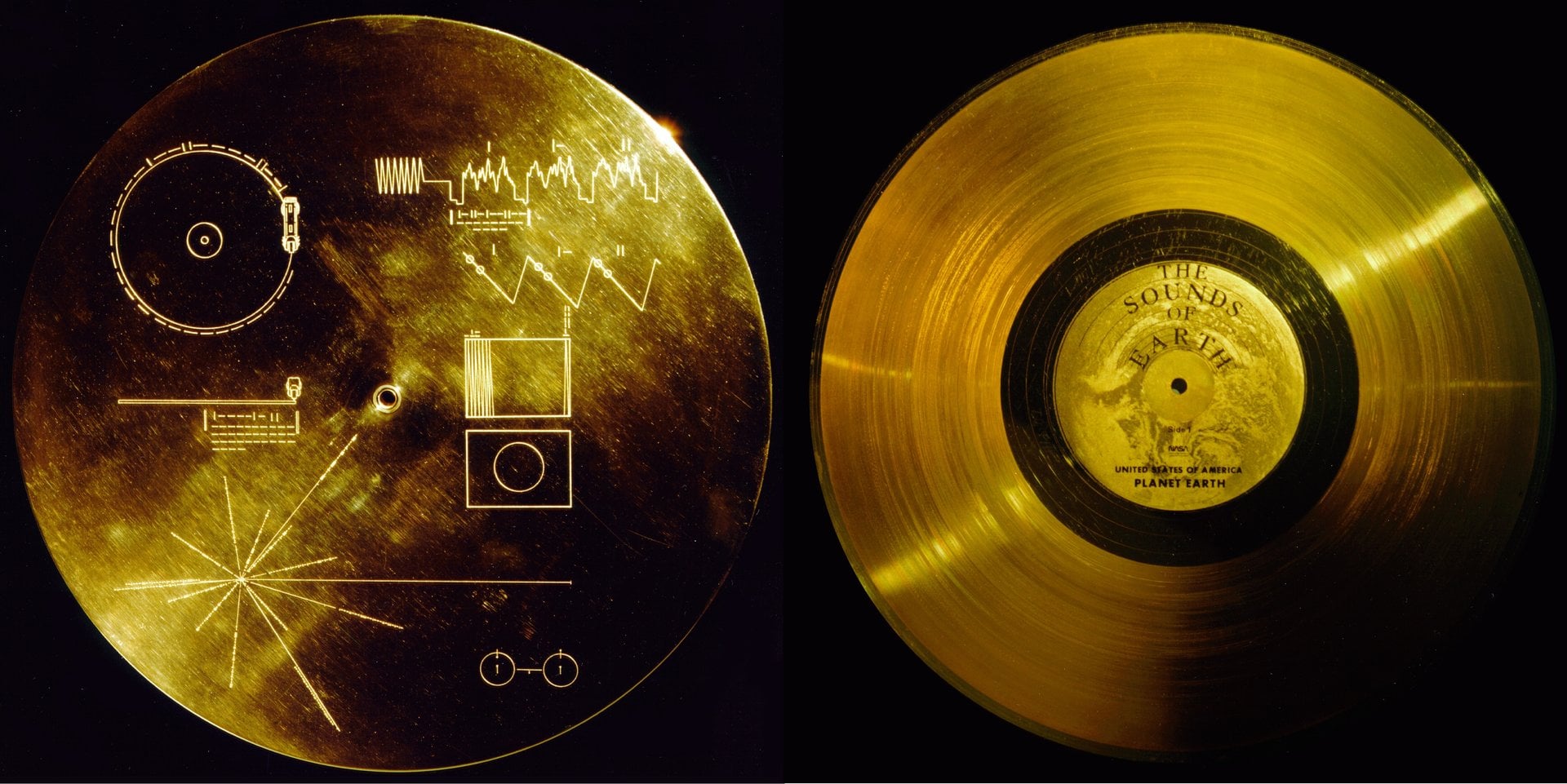
During the 1970s, the first interstellar probes were launched, carrying messages specifically designed to be intelligible to extraterrestrial species. The messages were essentially a "message in a bottle" intended for an advanced civilization, should they find the probes someday.
Continue reading
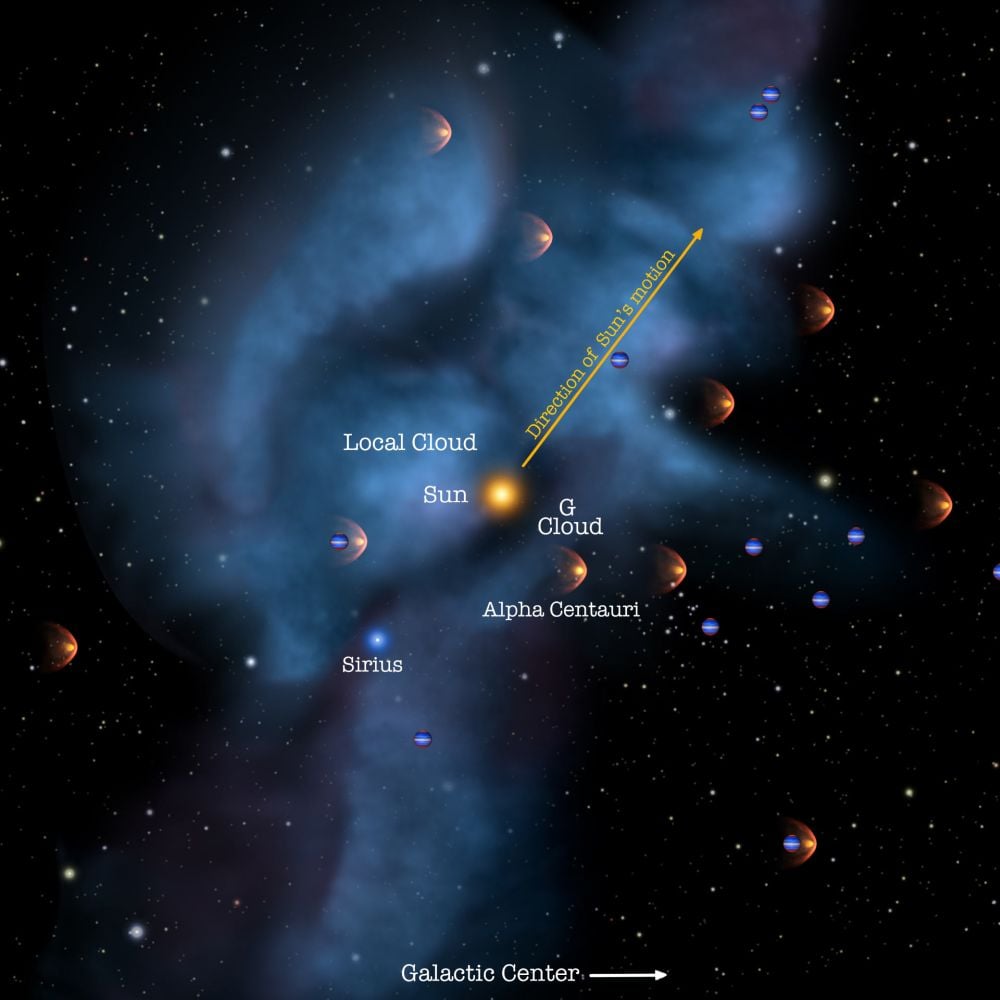
Our Solar System is currently passing through the Local Interstellar Cloud, a region of highly diluted gas and dust between the stars. On its path, Earth continuously accumulates iron-60, a rare radioactive isotope of iron produced in stellar explosions. This has now been confirmed by an international research team led by the Helmholtz-Zentrum Dresden-Rossendorf (HZDR) through the analysis of Antarctic ice tens of thousands of years old. From the steady but time-varying influx, the researchers conclude that the radioactive isotope has been stored within the cloud since a long-past stellar explosion.
Continue reading
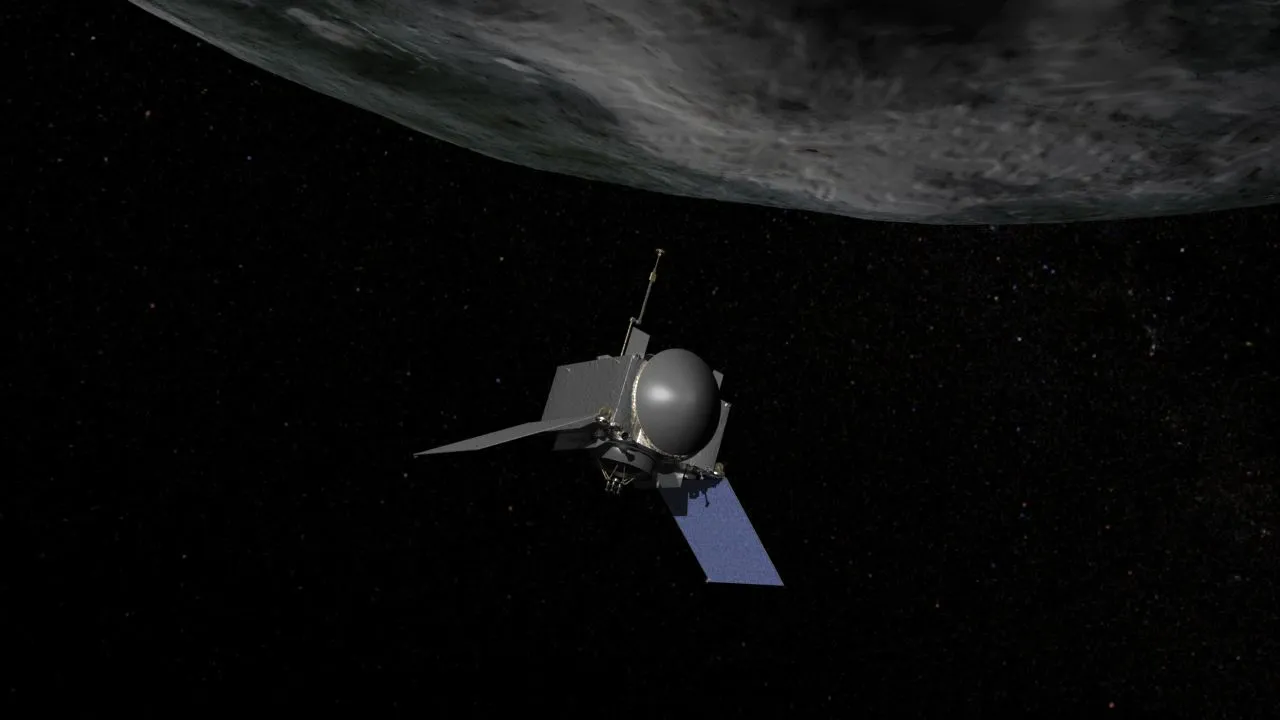
Asteroid mining seems simple in theory. A spacecraft flies up to a giant rock in space, scoops out some material, and either processes it on site or returns it back to a huge central processing facility. But in practice, it is certainly not that simple, and a new paper from some Spanish researchers, available in pre-print form on arXiv, showcases one of the reasons why - many small asteroids are spinning ridiculously fast.
Continue reading
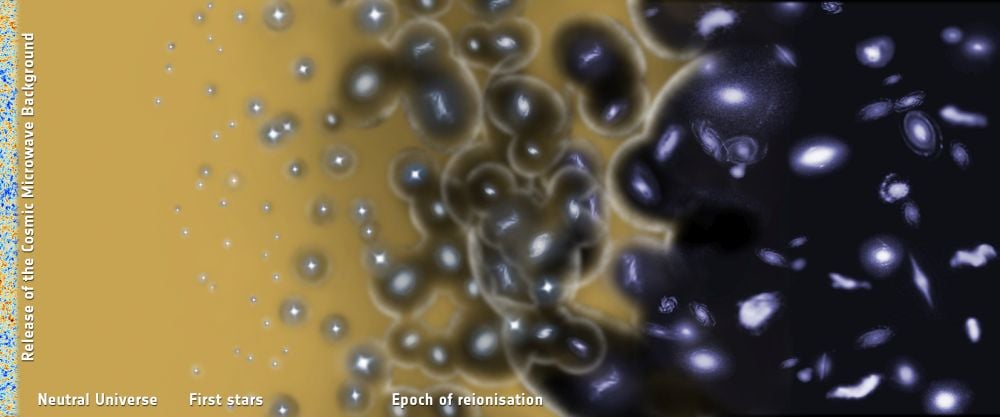
How can astronomers observe ancient galaxies when they're so challenging to resolve? By looking at a whole bunch of them at once in a single spectral line and seeing how it changes over time. That's what a new instrument called the Tomographic Ionized-carbon Mapping Experiment (TIME) does.
Continue reading
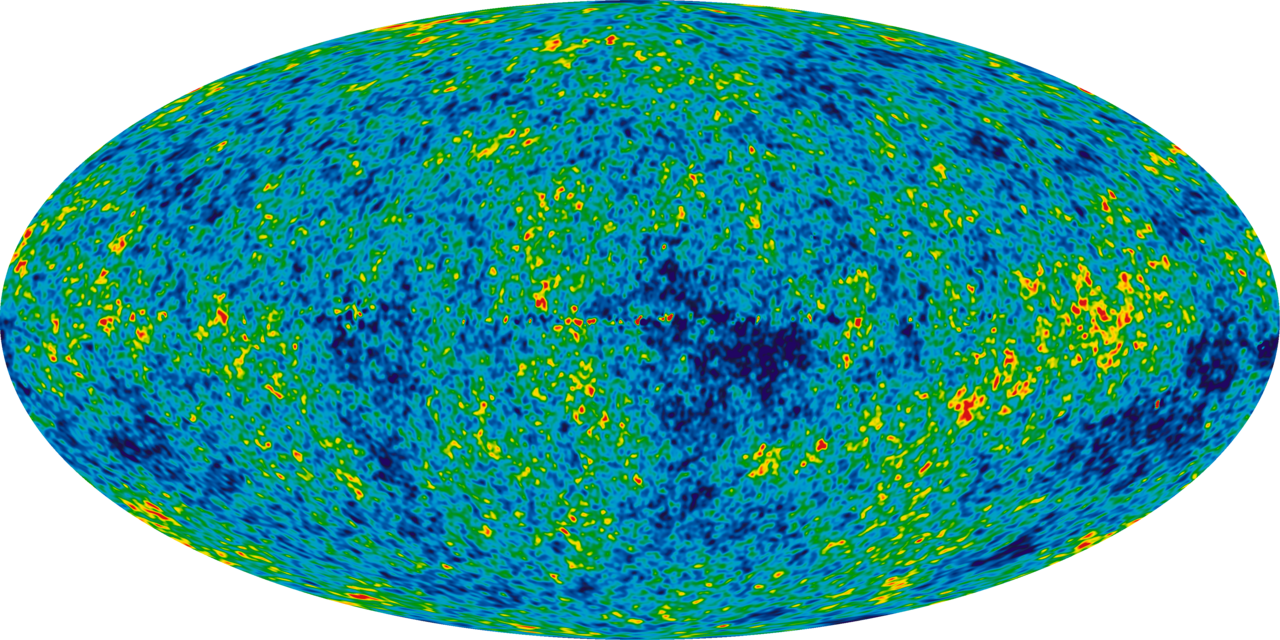
Run Hawking's machinery and out pops something startling: the most likely universe looks an awful lot like ours, complete with inflation, a low-entropy beginning, and an arrow of time. All of cosmology, falling out for free. Almost.
Continue reading
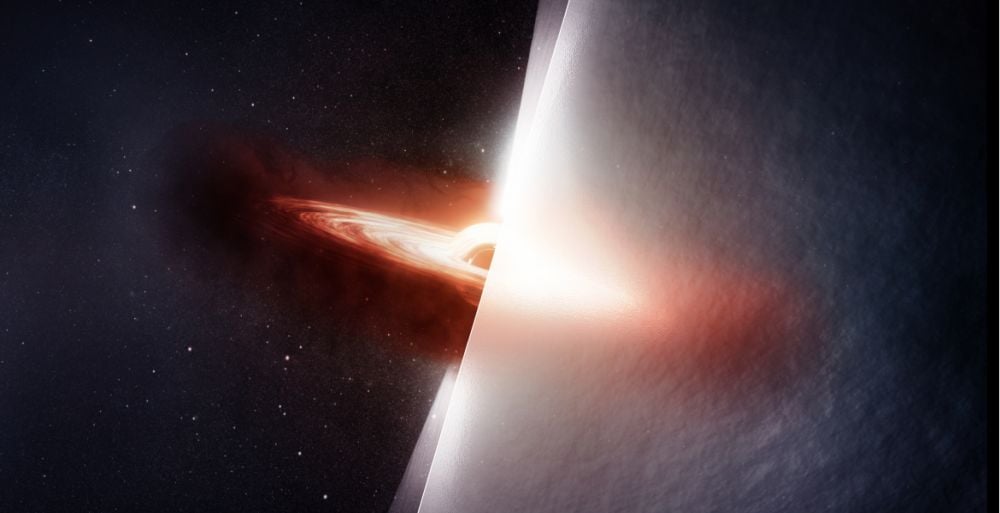
We may be getting better images of the Milky Way's supermassive black hole in the future. Astronomers used 10 years of observations of a distant blazar to detect turbulence in the Milky Way's interstellar medium. This turbulence makes images of Sagittarius A-star blurry.
Continue reading
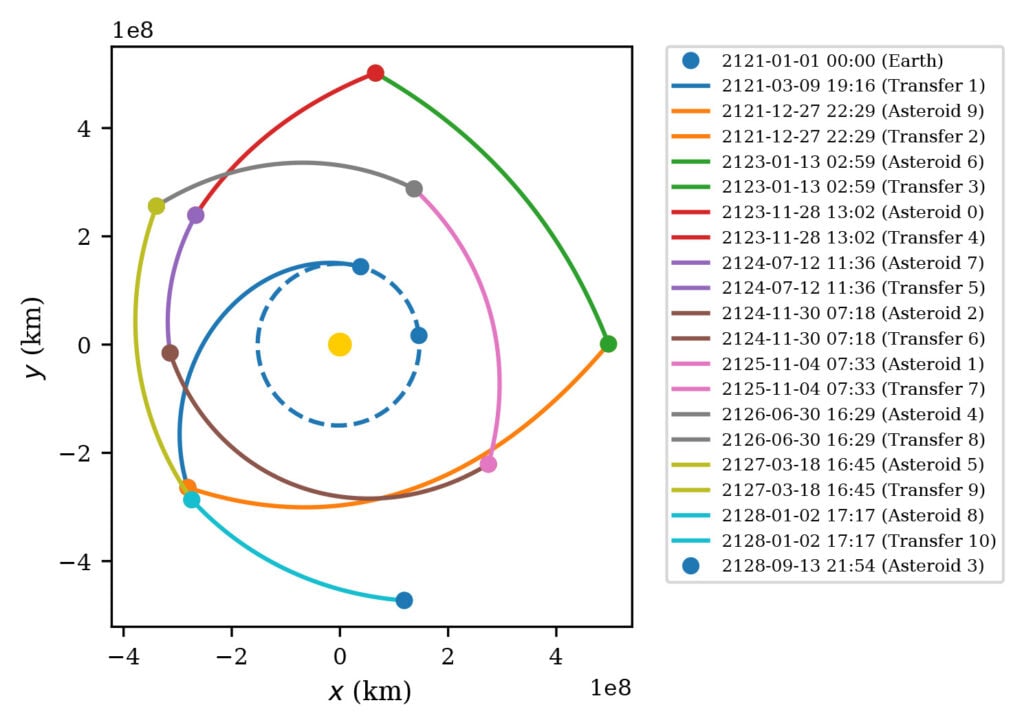
The Traveling Salesman is a classic problem in mathematics that requires a solution to the most efficient path to take to visit a given number of cities in the least amount of time. But scale this relatively simple concept up to space travel and the calculation becomes much more complex. Instead of visiting a stationary spot on Earth, when calculating the most efficient path to visit asteroids you must account for the fact they are traveling tens of thousands of miles an hour, and their exact position will change based on when a spacecraft leaves. This is known as the Asteroid Routing Problem, and a new paper from a group of Canadian and European researchers lays out a framework that can find the exact solution to any particular combination of asteroids to be visited.
Continue reading

Hawking faced a question with no answer hiding behind it. The best boundary condition for the universe, he decided, was that there was no boundary at all. To make that statement into physics, he had to do something deeply strange to time.
Continue reading
 Universe Today