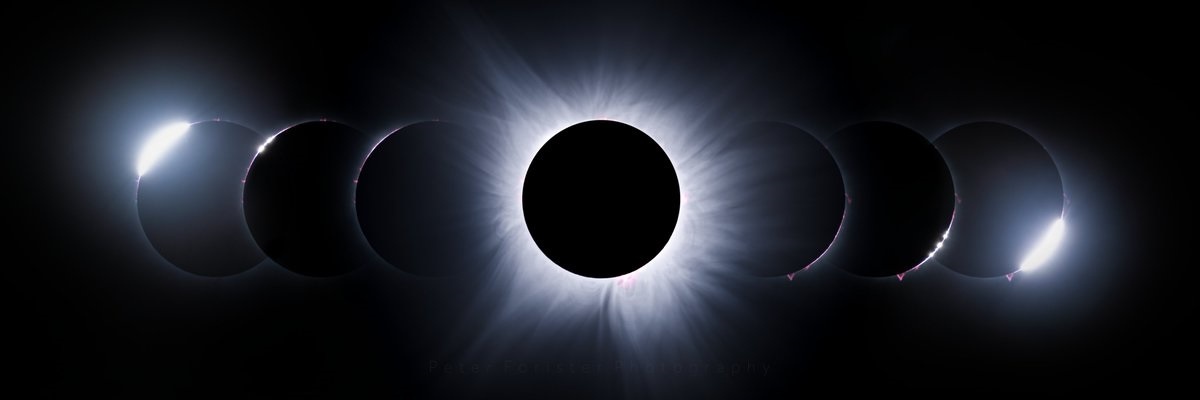
Are you looking for information on the May 15-16, 2003 Total Lunar Eclipse? Click here for our list of astrocameras for this event.
The eclipse is now over. Thanks for everyone who took part! Check out the various cameras for an archive of photos of the event.
Subscribe to the Universe Today newsletter to get daily space news. Enter your email in the box on the right side of the page.
The contest is now over too. We'll post the winners shortly.
| Live Astrocams | ||
| Site | Location | Weather Forecast * |
| Astronomical Society of Victoria Beautiful photos of the eclipse. |
Melbourne, Australia | Clear |
| AstroArts Fantastic archive of the eclipse, this is your best link. |
Tokyo, Japan | Clear |
| LIVE!ECLIPSE Eclipse is over. |
Okinawa, Hokkaido, Alice Springs | Partly Cloudy |
| Swinburne University of Technology Eclipse is over. Nice views of the eclipse at different stages. |
Melbourne, Australia | Clear |
| Nepean Observatory Eclipse is over, view is of a non-eclipsed moon |
Sydney, Australia | Clear |
| Astronomical Society of Flinders University Eclipse is over, great archive of every stage of the eclipse. |
Adelaide, Australia | Clear |
| Australian Broadcasting Corporation Eclipse is over, moon cam is offline. |
Sydney, Australia | Clear |
| Calwell Lunar Observatory Eclpse is over, view of a non-eclipsed moon. |
Canberra, Australia | Clear |
| Auckland Observatory/stardome Eclipse is over, view of a non-eclipsed moon. |
Auckland, New Zealand | Partly Cloudy |
| City of Dunedin Very slow server. |
Dunedin, New Zealand | Mostly Cloudy |
| Stargaze Eclipse is over. |
Saitama, Japan | Clear |
| ARECA Some pictures of the eclipse from two locations. |
Reunion Island | Clear |
| AASTO No coverage. |
South Pole, Antarctica | Blizzard |
| the @stropages.com No coverage, clouds. :-( |
San Diego, CA | Clear |
| High Moon | Geneva, Switzerland | Partly Cloudy |
| * weather forecast as of July 15, 10:15pm PDT | ||
| Eclipse Overview |
|
Eclipse Date: July 16, 2000 Eclipse Begins: 11:57 UT Total Eclipse Begins: 13:03 UT Eclipse Maximum: 13:55 UT Total Eclipse Ends: 14:49 UT Eclipse Ends: 15:53 UT Best seen from: Australia, New Zealand, Southeast Asia, Japan and the Pacific Ocean |
| Graphic of the Eclipse |
![]() |
| Eclipse table information courtesy of Fred Espenak, NASA/GSFC |
| What is a Lunar Eclipse? |
|
A lunar eclipse occurs when the moon passes through the Earth's shadow. Unlike a solar eclipse, a lunar eclipse is completely safe to watch with the naked eye - no protective glasses needed. As the moon travels into the Earth's shadow, it changes colour to anything from a deep red to a bright copper, depending on the amount of haze in the atmosphere. The best way to see a lunar eclipse is to stand away from street lights and use a pair of binoculars. Don't worry if you miss this eclipse, they happen about seven times a decade. The next total lunar eclipse will happen January 9, 2001. |
| When Will the Eclipse be Visible? |
|
Choose the timezone or city that best matches where you live. All times are based on Greenwich Mean Time (or Universal Time). If your timezone isn't here, then you won't be able to see it live, but will have to see it on the Internet, using our network of astrocams. Moonrise Eclipses (at dusk)Part of the eclipse won't be visible because it will begin before the moon has risen in your sky. Full Eclipse (at night) The entire eclipse will be visible from your part of the world. Moonset Eclipses (at dawn) Part of the eclipse won't be visible because the moon in your sky will go below the horizon before it ends. No Eclipse Visible If you live in one of these timezones, you won't be able to see the eclipse at all, because it will happen while the moon is below the horizon. But, use this as a guide for when to tune into the webcast.
|
| Additional Web Resources |
|
| Universe Today Topic Areas |
| Universe Today Eclipse-related Articles |
|
| Other Coverage |
|
|