
The Solar System:
- Solar System Guide
- The Sun
- Mercury
- Venus
- Earth
- The Moon
- Near-Earth Objects (NEOs)
- Mars
- The Asteroid Belt
- Jupiter
- Saturn
- Uranus
- Neptune
- Dwarf Planets
- The Kuiper Belt
- The Oort Cloud
- Comets, Asteroids, and KBOs

Outer Space:
- Stars
- Magnetars
- Variable Stars
- Wolf-Rayet Stars
- Extrasolar Planets (Exoplanets)
- Nebulae
- Black Holes
- Interstellar Space
- The Milky Way
- Magellanic Clouds
- Small Magellanic Cloud (SMC)
- Large Magellanic Cloud (LMC)
- Active Galactic Nuclei
- Galaxies
- Galaxy Clusters
- Intergalactic Space
- Superclusters
- The Universe
- Fun Facts About Space
Space Exploration:
- Animals in Space
- Artificial Satellites
- Benefits of Space Exploration
- Colonizing the Inner/Outer Solar System
- Definitive Guide to Terraforming
- Interstellar Exploration
History of Space Exploration:
- Agreements and Treaties
- Landers
- Orbiters/Probes
- Rovers
- Space Age
- Spaceflight
- Spaceships
- Space Stations
Famous Scientists:
- Albert Einstein
- Aristotle
- Aryabhata
- Avenpace (Ibn Bajja)
- Avicenna (Ibn-Sina)
- Charles Messier
- Christiaan Huygens
- Democritus
- Edmond Halley
- Edwin Hubble
- Enrico Fermi
- Francis Bacon
- Frank Drake
- Fred Hoyle
- Galileo Galilee
- Gerard Kuiper
- Giovanni Domenico Cassini
- James Clerk Maxwell
- Jan Oort
- Johann Bode
- Johannes Kepler
- Johannes Gottfried Galle
- John Dalton
- John Herschel
- Konstantin Tsiolkovsky
- Lord Kelvin (William Thomson)
- Max Planck
- Miguel Alcubierre
- Nicolas Louis de Lacaille
- Nicolaus Copernicus
- Niels Bohr
- Nilakantha Somayaji
- Ptolemy
- Qutb al-Din al-Shirazi
- René Descartes
- Robert Boyle
- Robert Hooke
- Sergei Korolev
- Sir Isaac Newton
- Stephen Hawking
- Tycho Brahe
- Urbain Le Verrier
- William Herschel
- William Lassell
Famous Astronauts:
- Alan Shepard Jr.
- Albert II
- Belka and Strelka
- Chris Hadfield
- Edwin “Buzz” Aldrin
- Félicette
- Franklin Chan-Diaz
- Gennady Padalka
- Gordo
- James Lovell Jr.
- Jeff Williams
- John Glenn Jr.
- Laitka
- Neil Armstrong
- Peggy Wilson
- Sally Ride
- Scott & Mark Kelly
- Valentina Tereshkova
- Valeri Polyakov
- Yuri Gagarin
- Yuri Malenchenko
- Who are the Most Famous Astronauts?

Astronomy Jargon:
- Absolute Magnitude
- Adaptive Optics
- Albedo
- Astronomical Unit (AU)
- Aurorae
- Baryon Acoustic Oscillations
- Black Holes
- Big Bang Theory
- Bollide
- Coma
- Cosmic Microwave Background
- Cosmic Strings
- Chromosphere
- Cosmic Rays
- Dark Matter
- Doppler Shift
- Eccentricity
- Electromagnetism
- Elliptical Galaxy
- Escape Velocity
- Event Horizon
- Galactic Halo
- Galaxy Clusters
- Galilean Moons
- Giant Molecular Cloud
- Globular Clusters
- Gravity
- Gravitational Lens
- Heliopause
- Heliosphere
- Hertzberg-Russell (HR) Diagram
- Hubble’s Law
- Hydrostatic Equilibrium
- Interstellar Medium
- Ionosphere
- Irregular Galaxies
- Kirkwood Gaps
- Local Group
- Luminosity
- Magnetars
- Magellanic Clouds
- Neutrinos
- Neutron Star
- Nova
- Open Cluster
- Parallax
- Planet
- Planetary Nebula
- Protoplanetary Disk
- Quasar
- R-Process
- Spectrum
- Standard Candles
- Strong Nuclear Force
- Sunspots
- Tidal Heating
- Trans-Neptunian Object (TNO)
- Type-1a Supernovae
- Type-II Supernovae
- Umbra
- Van Allen Belts
- Weak Nuclear Force
- White Dwarf
- Wolf-Rayet Stars
- Wormholes
- Zodiacal Light
Astronomy & Cosmology:
- Astronomy
- Astronomy for Kids
- Big Bang Theory: Evolution of Our Universe
- Biggest Mysteries in Astronomy
- Biggest Planet in the Solar System
- Biggest Star
- Biggest Thing in the Universe
- Butterfly Effect
- Eddington Eclipse Experiment
- Entropy
- Geocentric Model
- Geocentric vs. Heliocentric
- Gravity Mapping
- Heliocentric Model
- Hubble Constant
- Hubble-Lemaitre Law
- How Do We Know Dark Energy Exists?
- How Do We Know Dark Matter Exists?
- How Big is the Universe?
- Infrared Astronomy
- Infrared Spectroscopy
- Oscillating Universe Theory
- Physics
- Radio Astronomy
- Relativity
- Singularity
- Spectroscopy
- Standard Model
- Steady State Hypothesis
- Time and Space
- What are Gravitational Waves?
- What is the Big Rip?
- What is the Cosmic Microwave Background?
- Will the Big Bang Go Backwards? (Big Crunch)

Earth Sciences:
- 10 Interesting Facts About Earth
- Abiogenesis
- Avalanche
- Bakken Formation
- Benefits of Volcanoes
- Biggest Volcano on Earth
- Butte
- Celestial Sphere
- Cepheid Variable
- Climate Change
- Climatology
- Continental Crust
- Continents
- Cyclones
- Debris Flow
- Driest Place on Earth
- Earth Formation
- Earth’s Layers
- Earth’s Mantle
- Earth’s Rotation
- Earth Science
- Earthquake
- Earthquake Causes
- Erosion
- Fossil Fuels
- Geology
- Geomorphology
- Geosphere
- How Do Volcanoes Erupt?
- Hurricanes
- Ice Age
- Igneous Rock Formation
- Largest Desert on Earth
- Largest Island in the World
- Lava and Magma
- Lithosphere
- Mid-Atlantic Ridge
- Mountain Formation
- Plate Boundaries
- Temperature of Earth’s Crust
- Volcanoes
- Wettest Place on Earth
- Why Does it Rain?
SETI:
- Search for Extra-Terrestrial Intelligence (SETI)
- Alien Minds
- Arecibo Message
- Breakthrough Listen
- Biosignatures
- Communicating Across the Cosmos
- Drake Equation
- Fermi Paradox
- Beyond “Fermi’s Paradox” I: A Lunchtime Conversation- Enrico Fermi and Extraterrestrial Intelligence
- Beyond “Fermi’s Paradox” II: Questioning the Hart-Tipler Conjecture
- Beyond “Fermi’s Paradox” III: What is the Great Filter?
- Beyond “Fermi’s Paradox” IV: What is the Rare Earth Hypothesis?
- Beyond “Fermi’s Paradox” V: What is the Aestivation Hypothesis?
- Beyond “Fermi’s Paradox” VI: What is the Berserker Hypothesis?
- Beyond “Fermi’s Paradox” VII: What is the Planetarium Hypothesis?
- Beyond “Fermi’s Paradox” VIII: What is the Zoo Hypothesis?
- Beyond “Fermi’s Paradox” IX: What is the Brief Window Hypothesis?
- Beyond “Fermi’s Paradox” X: What is the Firstborn Hypothesis?
- Beyond “Fermi’s Paradox” XI: What is the Transcension Hypothesis?
- Beyond “Fermi’s Paradox” XII: What is the Waterworlds Hypothesis?
- Beyond “Fermi’s Paradox” XIII: What is the “Ocean Worlds” Hypothesis?
- Beyond “Fermi’s Paradox” XIV: What is the Aurora Hypothesis?
- Beyond “Fermi’s Paradox” XV: What is the Percolation Theory Hypothesis?
- Beyond “Fermi’s Paradox” XVI: What is the “Dark Forest” Hypothesis?
- Beyond “Fermi’s Paradox” XVII: What is the “SETI-Paradox” Hypothesis?
- Galactic Habitable Zone
- Habitable Zone
- Kardashev Scale
- When Will Humanity Become a Type I Civilization?
- When Will Humanity Become a Type II Civilization?
- When Will Humanity Become a Type III Civilization?
- Lorimar Burst
- Megastructures
- Messaging Extra-Terrestrial Intelligence (METI)
- Project Ozma
- Technosignatures
- Waiting for Extraterrestrial Intelligence (WETI)
- What Do We Do If We Find Aliens?
- WOW! Signal
Messier Objects:
- Introduction to the Messier Objects
- The Messier Catalog
- The Messier Marathon
- The Week-Long Messier Marathon
Constellations:
Telescopes:
- Adaptive Optics
- Earth Observatories
- Extreme Telescopes
- Orbiting Observatories
- Radio Observatories
- The Rise of the Super Telescopes
- The Giant Magellan Telescope (GMT)
- The Overwhelmingly Large Telescope (OLT)
- The 30 Meter Telescope (TMT)
- The European Extremely Large Telescope (ELT)
- The Large Synoptic Survey Telescope (LSST)
- The James Webb Space Telescope (JWST)
- The Wide Field Infrared Survey Telescope (WFIRST)
- The Large UV Optical Infrared Surveyor (LUVOIR)
- What are Telescopes?
- What Are The Biggest Telescopes In The World (And Space)?
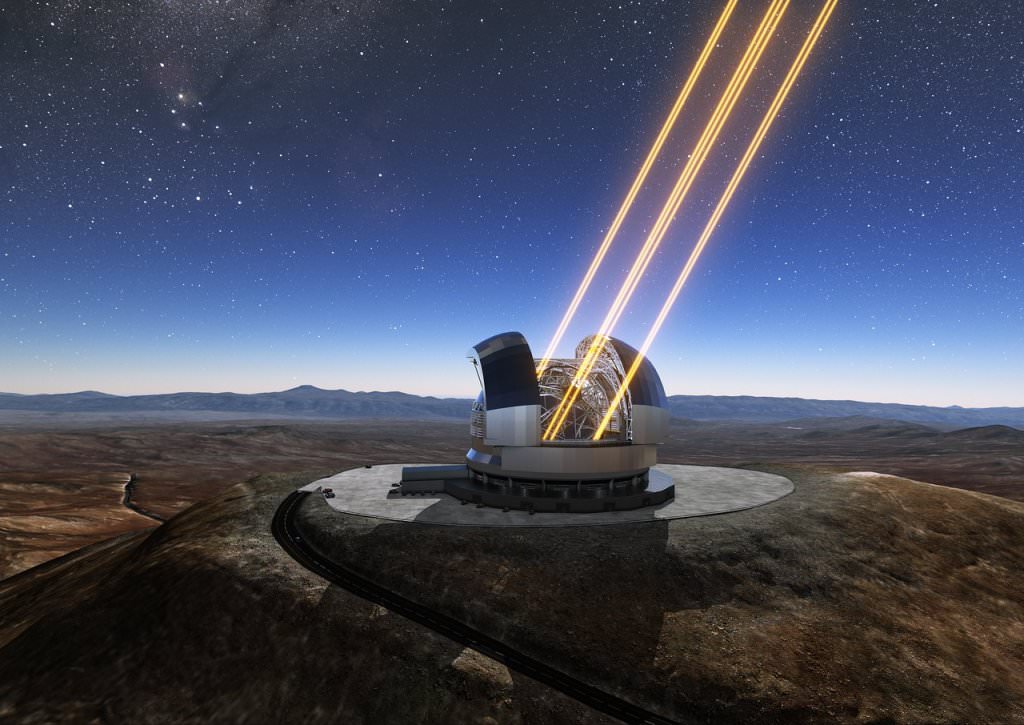
Image Credits:
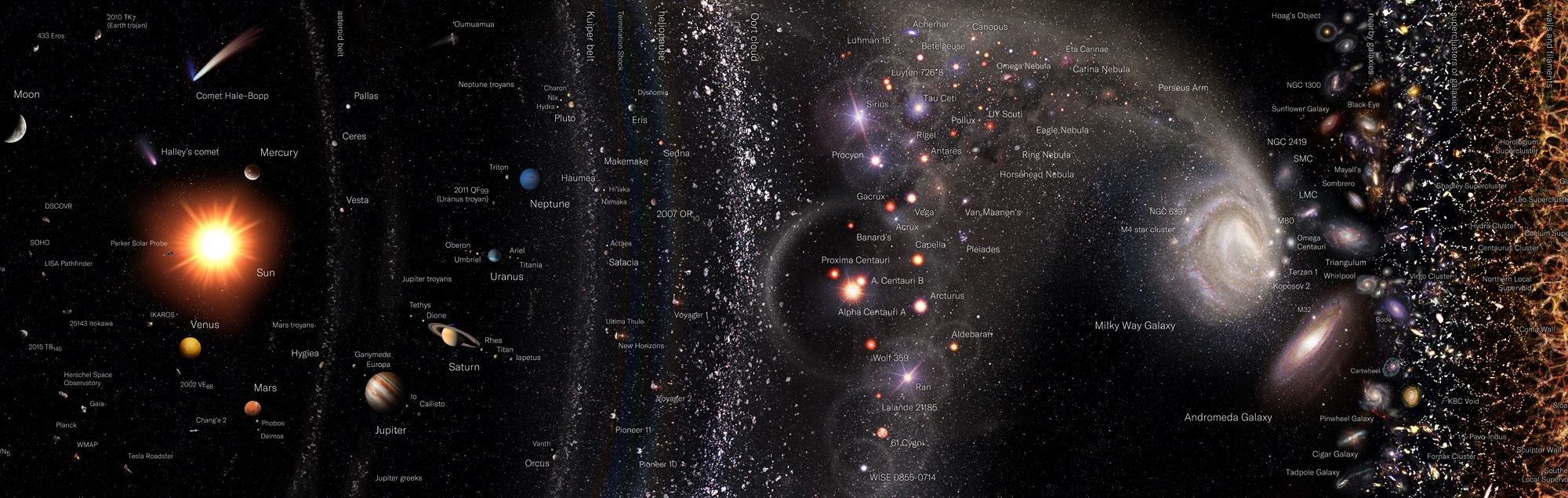
- Observable Universe: Pablo Carlos Budassi
- Animated Solar System: Caltech/nagualdesign
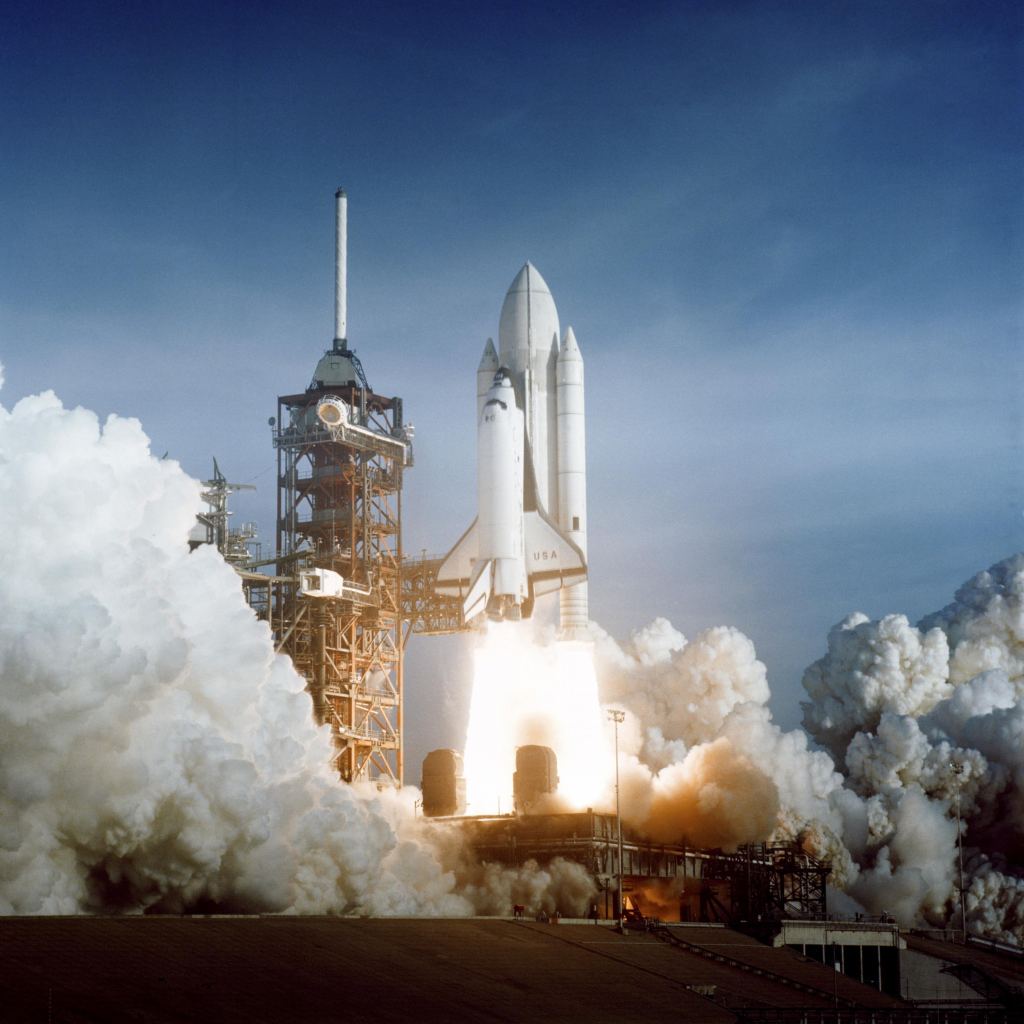
- Space Shuttle Columbia: NASA
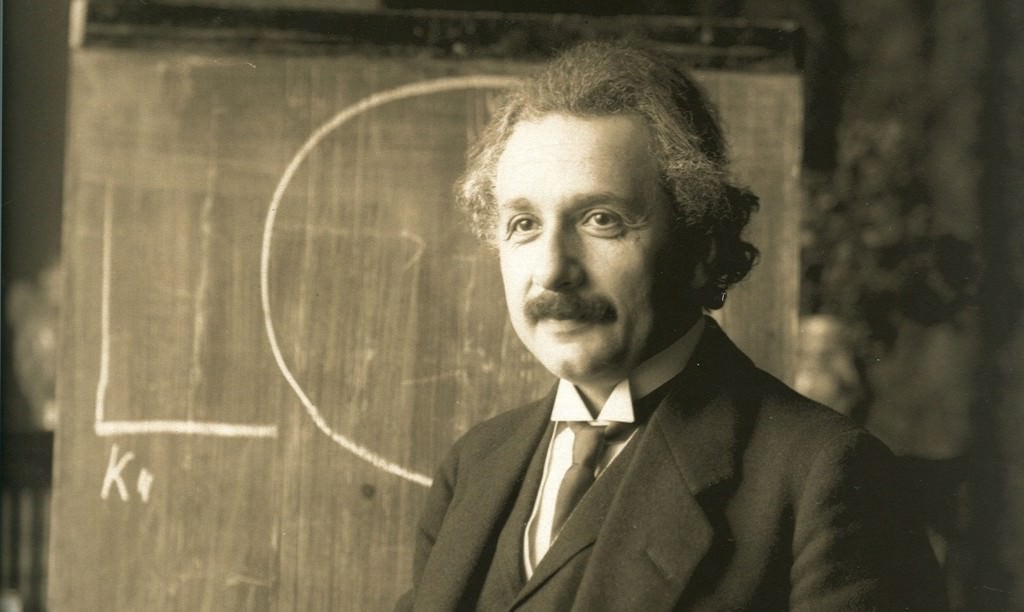
- Albert Einstein: National Library of Austria/F Schmutzer/Public Domain
- Apollo 11 Crew: NASA
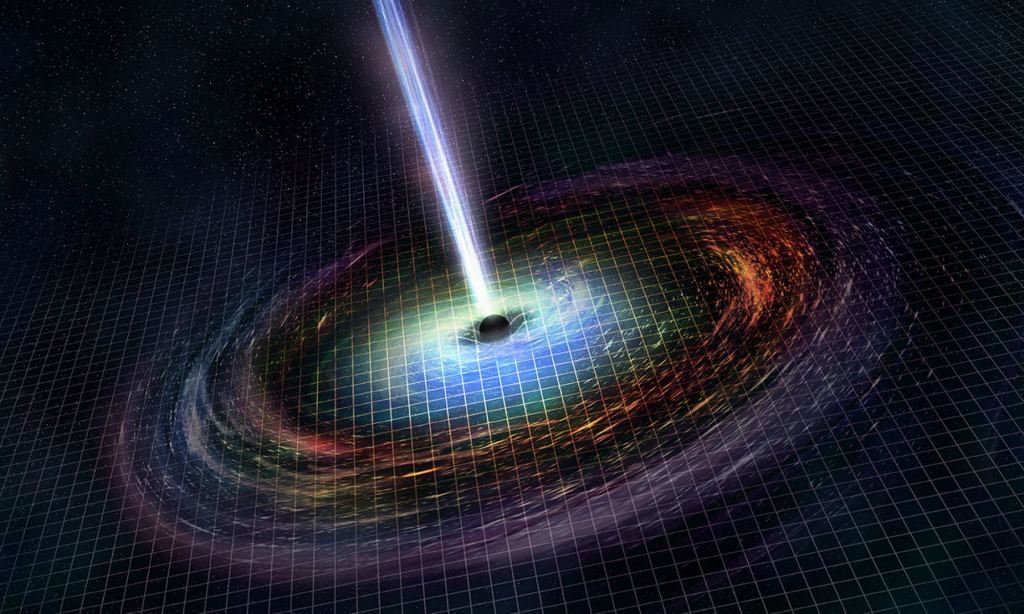
- GW170817 Black Hole: NASA/CXC/M.Weiss
- Hubble Deep Field: NASA and A. Feild (STScI)
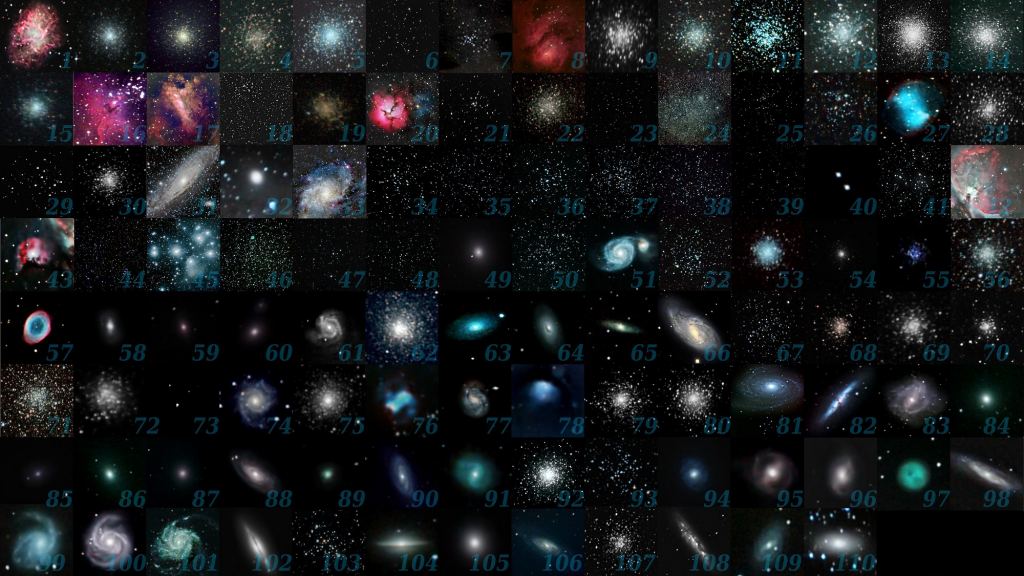
- Messier Objects: Michael A. Phillips
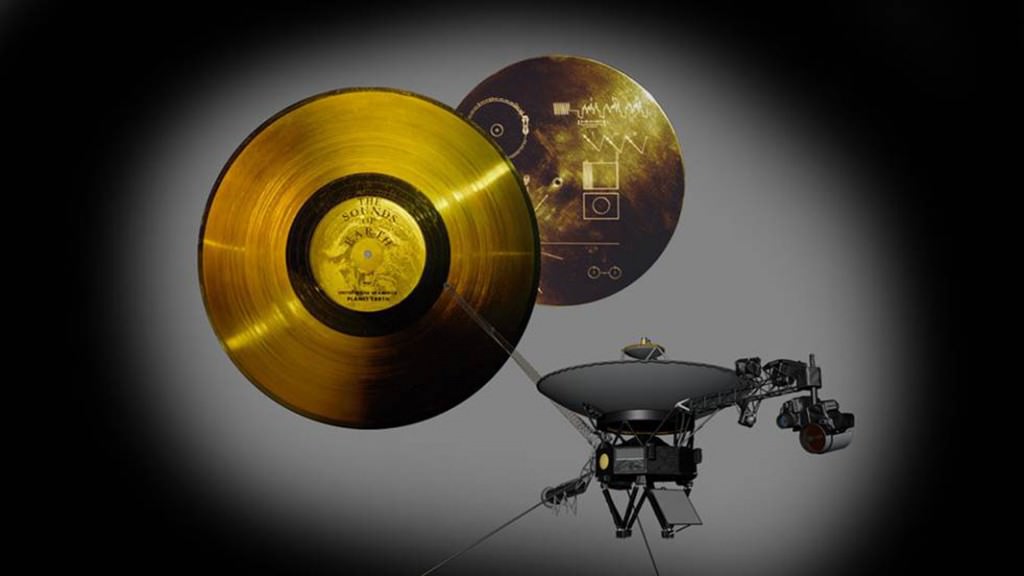
- Voyager Golden Record: NASA
- Extremely Large Telescope: ESO/E-ELT
.png)


.jpg)