To help you understand all about artificial satellites we have assembled a group of links to articles that we have here on Universe Today. Each article also includes additional links to authoritative sites about some of the technology involved in launching a satellite.
To help motivate you to dive into the links below, here are some interesting facts all about artificial satellites.
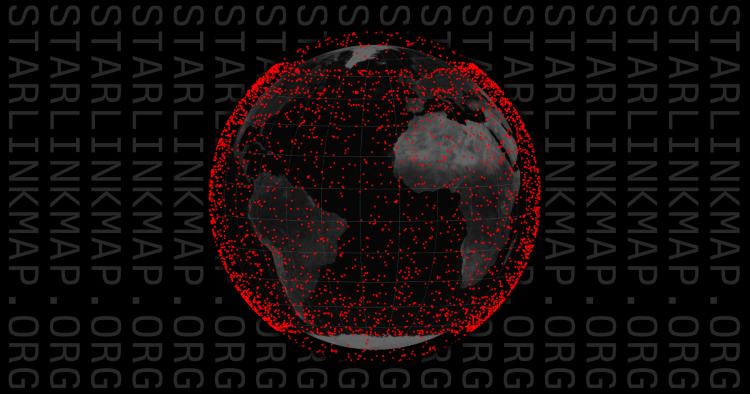
Just as we have a habit of spreading junk and trash around our planet, there are 8,000 known pieces of junk floating in orbit around the Earth. That is in addition to the 3,000 viable satellites that are competing for a free path around the globe.
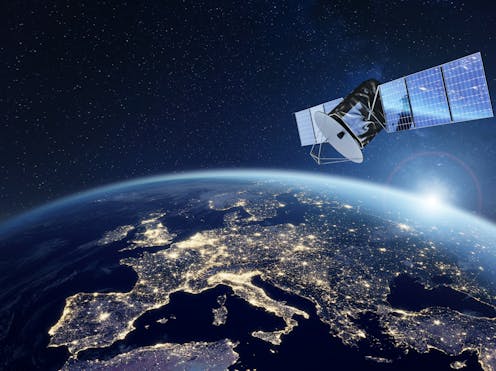
Most satellites are in geosynchronous orbit so that they can deliver reliable transmissions for television and communication.
Most real-time satellite images provided by Google, Yahoo, etc come from the satellites of one company. GeoEye Inc can find anything anywhere in the world.
Since a satellite can find your house, why shouldn’t you be able to find the satellite. There are several online resources that allow you to track the whereabouts of most commercial satellites and some spacecraft like the International Space Station. You will find the links you need in one of the articles below.
Those facts do not even touch on the onboard technology, so you can feel assured that there is plenty more information to be had in links below. Hopefully, you find everything that you need and, as always, enjoy your research.
- What is a Satellite?
- Artificial Satellites
- How Satellites Stay in Orbit?
- How Satellites Work?
- Landsat 3
- Landsat 7
- CubeSat
- Space Station
- Ikonos
- Pictures of Satellites
- Iridium Satellites
- Eutelsat W3
- How Many Satellites in Space?
- Satellite Finder
- Terra Satellite
- MODIS
- Beidou Navigation Satellite
- Project SCORE
- Vanguard 1
- Orbital Express
- Explorer 1
- Explorer 2
- THEMIS
- Vanguard 2
- Ohsumi
- Radio Astronomy Explorer 2
- Aryabhatta
- Ofeq 1

Comments on this entry are closed.