LIGO

by Jerry Coffey on December 4, 2009

Want to stay on top of all the space news? Follow @universetoday on Twitter

LIGO
Laser Interferometer Gravitational-Wave Observatory spells LIGO. LIGO has two gravitational wave detectors (of the laser interferometer kind), one at Livingstone Louisiana, and one at Hanford Washington (both in the US; LIGO homepage). LIGO is operated jointly by Caltech (the California Institute of Technology) and MIT, and funded largely by the National Science Foundation (NSF). LIGO is also the LIGO Scientific Collaboration, a semi-formal group of nearly a thousand scientists around the world, in dozens of universities etc.

Kip Thorne and Roger Drever (Caltech) and Rainer Weiss (MIT) kicked LIGO off, in 1992 … and the detectors were inaugurated in late 1999; the first ‘science run’ (the first time all detectors were in operation, in science/data-taking mode, looking for gravitational wave radiation) was from 23 August, 2002 to 9 September the same year.

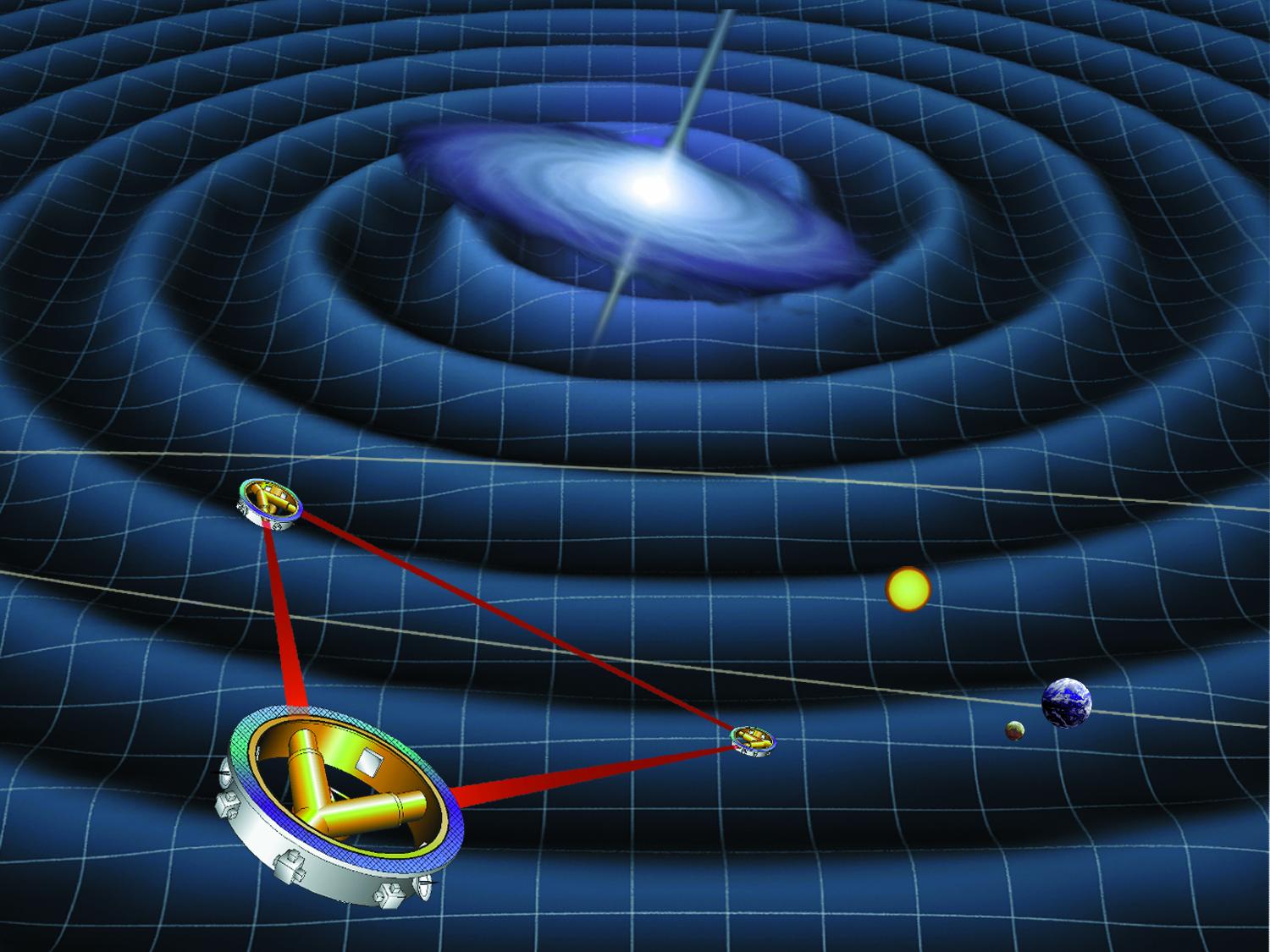
The detectors at each location are Michelson interferometers (the same sort of instrument which Michelson and Morley used to not detect the aether, in 1887), in L-shaped evacuated tunnels 4 km in length. Of course, they are far, far, far … more sensitive than the very first Michelson interferometer; they can currently detect a change in the length between pairs of mirrors of a thousandth the size of the smallest atomic nucleus. When a gravitational wave passes by, it will cause the distance between a pair of mirrors to change; by measuring the various distances (two arms at each observatory, two observatories) all the time, any such wave will be detected (LOTS of things can cause changes of this size – microearthquakes, teensy changes in temperature, even forestry operations dozens of miles away! – but none should produce the unique signature of a gravitation wave, especially not in two detectors located thousands of km apart).

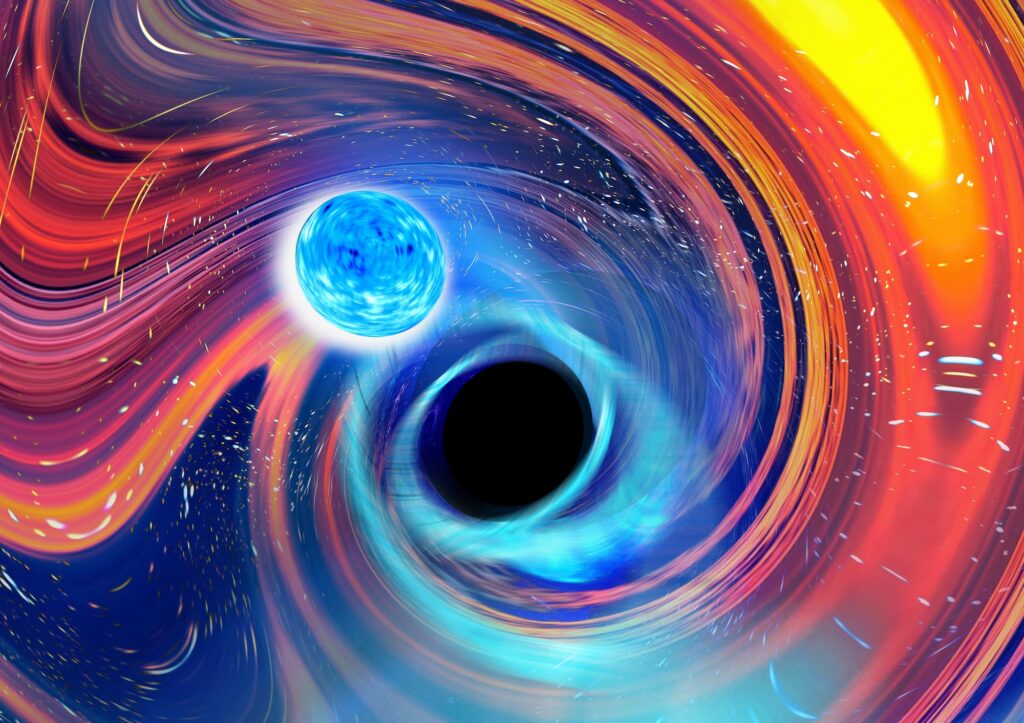
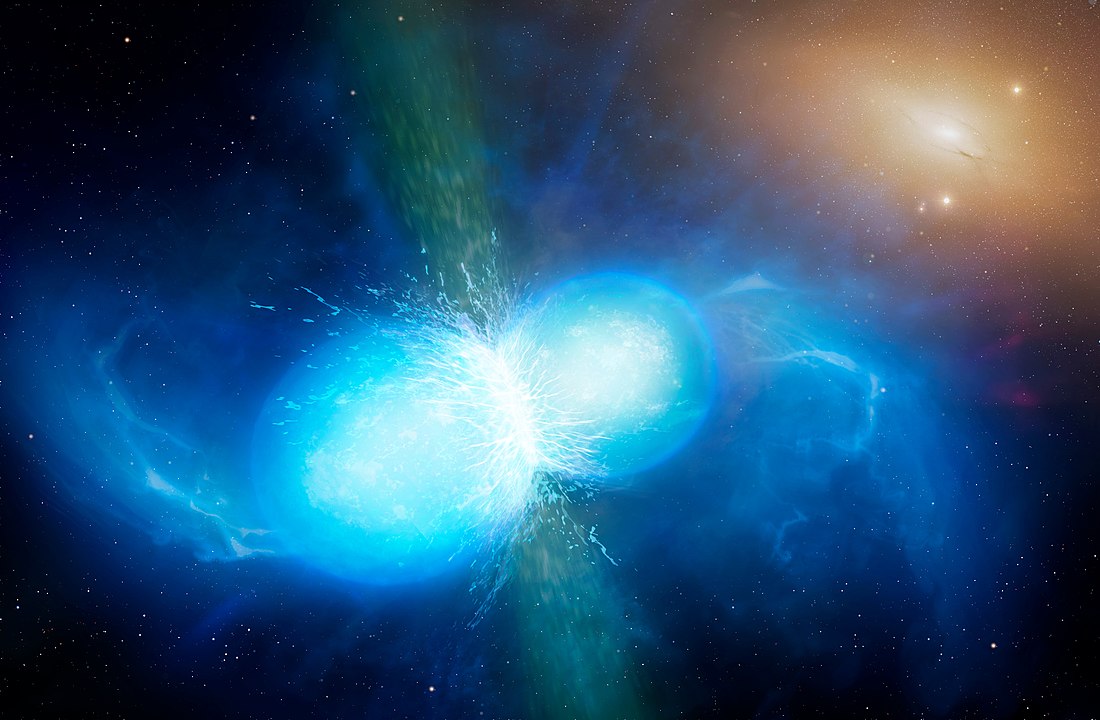
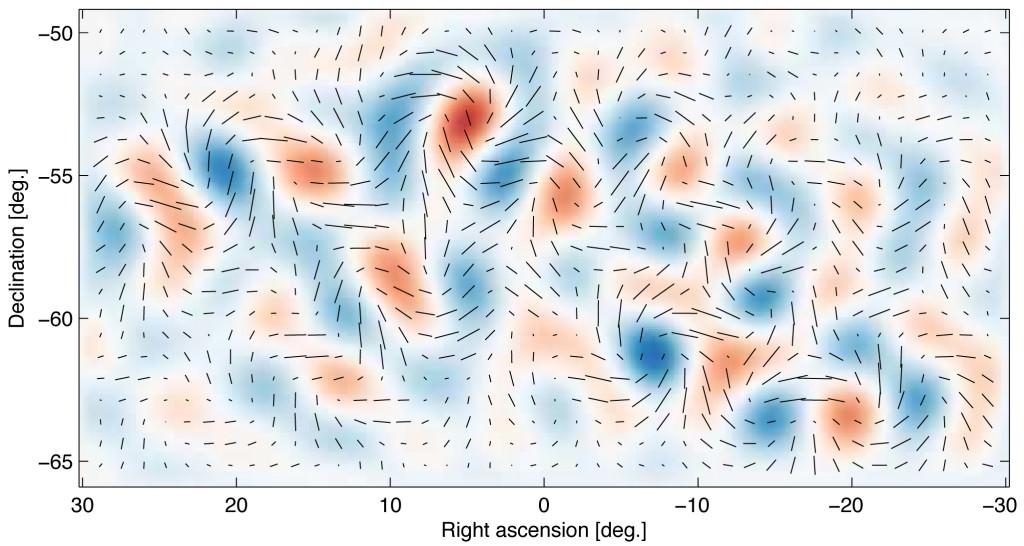
Have you heard of Albert Einstein? Sure you have; have you heard of Russell Hulse and Joseph Taylor? Maybe not … Einstein’s theory of general relativity predicts that gravitational wave radiation exists, and Hulse and Taylor found strong, albeit indirect, evidence that it does (by watching a binary pulsar’s orbit decay). LIGO cannot detect the gravitational wave radiation from the Hulse-Taylor pulsar, but it could detect the last few seconds of such a pulsar, before it merged with its companion (and turned into a black hole), as far away as several megaparsecs. Other possible sources of gravitational wave radiation that LIGO can detect include asymmetric supernovae (ones that don’t blow up perfectly spherically), and echoes of events close to the Big Bang.

To date, no gravitational wave radiation has been detected … but with various LIGO upgrades underway and planned, the first detections are likely just a few years away, at most.

Did you know that you – yes, you! – can look for signs of a neutron star’s death spiral (an ‘inspiral’)? Building on the distributed computing ideas pioneered by Seti@Home, LIGO has Einstein@Home (why not check it out?)

LIGO featured in Universe Today? Sure! “Listening” for Gravitational Waves to Track Down Black Holes, New Limits on Gravitational Waves from Big Bang, and Can Light be “Squeezed” to Improve Sensitivity of Gravitational Wave Detectors? … to cite just a few articles.

Yet more background: Astronomy Cast episodes Gravitational Waves , and Gravity.

Source: MIT

Comments on this entry are closed.

Previous post:

Next post: